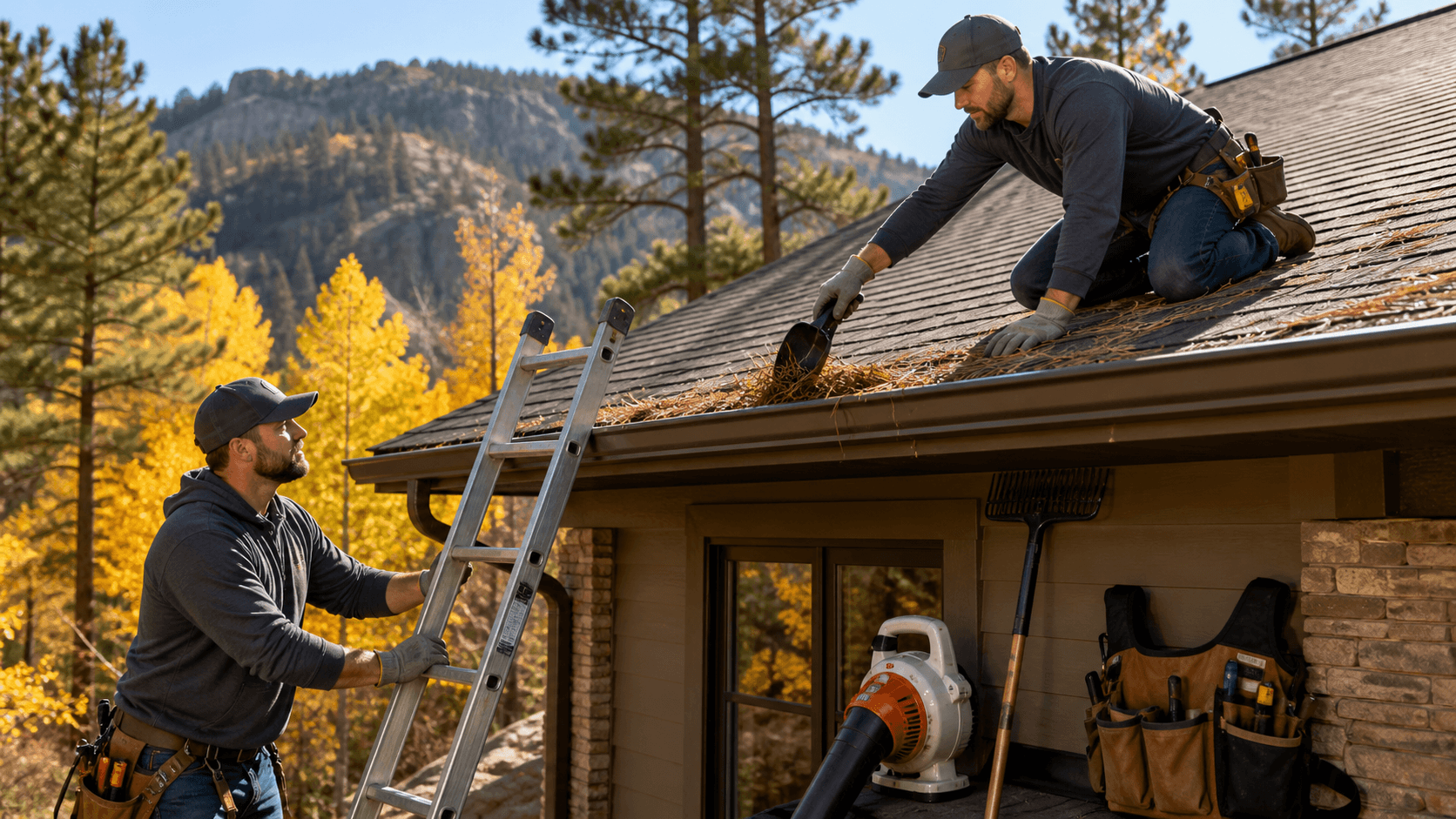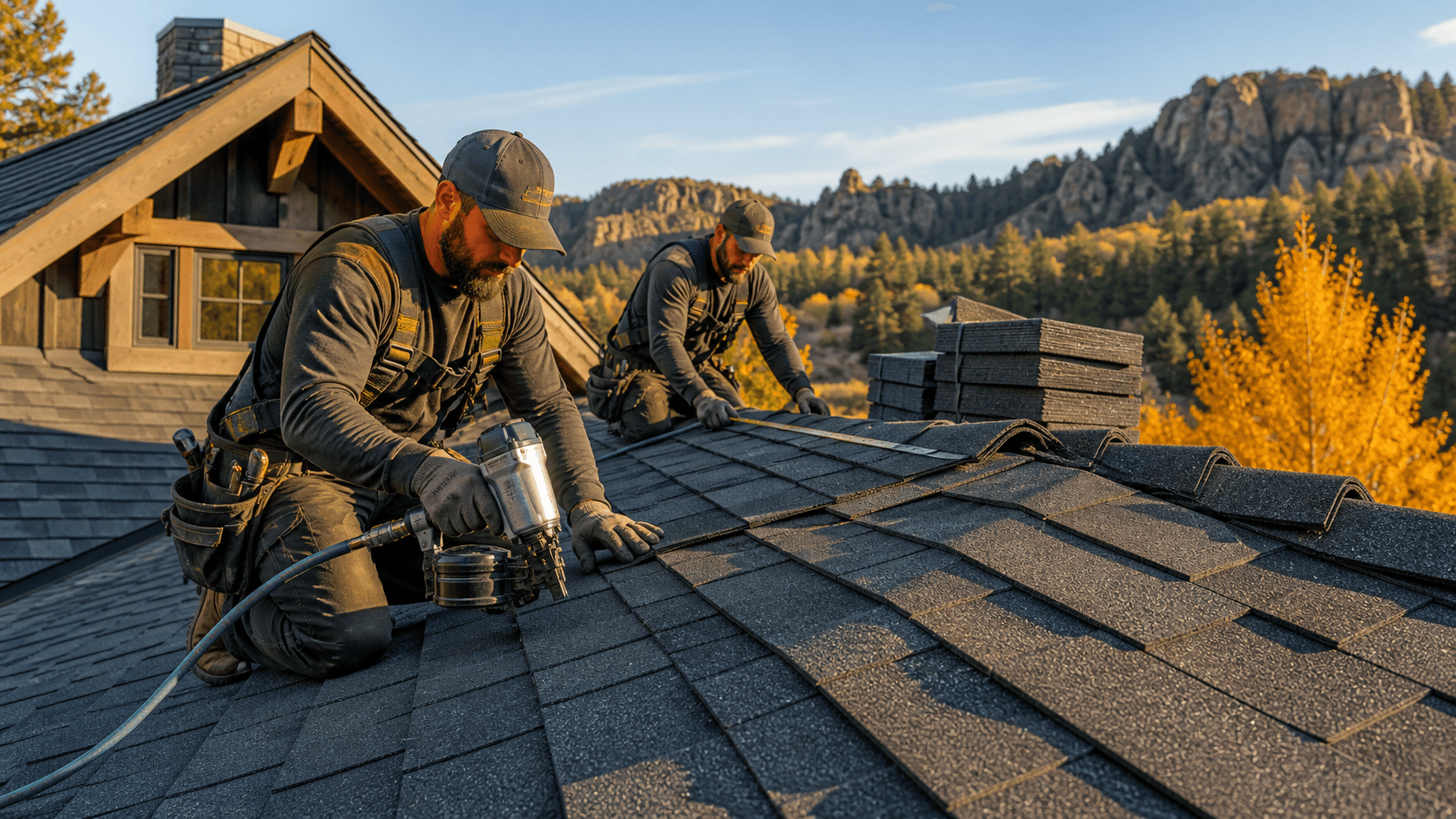
Hail-Damaged Gutters Are the First Warning Sign You See
Hail-damaged gutters are often the first clear sign that a storm did more than make noise on your roof. You might step outside after the clouds move on, look up, and see dents, dings, or sagging sections that were not there before. That is your early warning that the storm hit your roof, siding, and windows harder than you think.
Gutters sit at the edge of your roof, so they take direct hits from hail and flying debris. Because they are eye level or close to it, they are also the easiest thing for a homeowner to notice from the ground. When gutters show damage, they are often telling you a bigger story about what happened higher up on your roof.
In this article, we will walk through what different types of gutter damage really mean, what they can reveal about hidden roof problems, and how to respond before the next storm rolls through. As a local roofing contractor serving Rapid City and the Black Hills, we see how our area's hail patterns beat up gutters, shingles, and siding year after year, and we want to help you read the signs early.
How Hail-Damaged Gutters Tell the Story of a Storm
Hail can mark up gutters in several ways. Some damage looks small but still matters. Other damage is so clear that you know the storm was serious.
Common signs of hail-damaged gutters include:
- Small round dents and dings in metal sections
- Scratched or chipped paint that exposes bare metal
- Cracks along seams or corners
- Loose hangers or fasteners pulling out of the fascia
- Bent or crushed gutter runs, end caps, or corners
- Downspouts pulled away from the wall or separated at joints
The type of damage often matches the strength of the storm. For example:
- Light, shallow dings can point to smaller hail or shorter storms
- Deep dents, crushed corners, or torn seams suggest larger hailstones and higher wind speeds
- Long bent sections or twisted downspouts often mean strong wind pushed hail sideways into the home
Where you see the damage also matters. If dents and chips only appear on one side of the house, that usually shows the direction the storm came from. Heavy hits near roof valleys or low eaves can point to places where hail bounced off the roof and slammed into the gutters twice. When we inspect a home, we read these marks like clues, so we know which roof slopes, vents, and edges took the worst beating.
What Hail-Damaged Gutters Reveal About Your Roof
If hail was strong enough to dent metal gutters, it may have done more harm on top of the roof where you cannot see. Shingles do not always break in a way that is obvious from the ground. Some damage is hidden under the surface.
Hail can:
- Bruise or fracture asphalt shingles
- Knock off protective granules from the shingle surface
- Loosen shingles so wind can lift them later
- Damage the underlayment that helps keep water out
One big warning sign is what you find inside the gutters after a storm. When gutters are full of shingle granules, it often means the hail hit hard enough to strip that protective layer. Granule loss can lead to:
- Faster shingle aging
- Bare spots where UV light breaks down the shingle
- A higher chance of leaks over time
Around the roof edge, there are more details to watch. Warped or rotting fascia, a bent drip edge, or damaged gutter guards can all show that water and hail have been working on that area for a while. These problems tend to go together. Gutters do not get smashed while everything else stays perfect.
Because of that, hail-damaged gutters should always trigger a professional roof inspection. A quick cleanup of leaves or granules will not fix cracks in shingles, soft spots in decking, or small leaks that could later drip into your attic or walls.
Why Rapid City Homes Face Extra Hail Risk
Homes in Rapid City and the Black Hills see storms that can change fast. Warm afternoons can build into strong cells that drop hail, heavy rain, and strong wind in a short period of time. Local homeowners know how quickly a calm sky can turn rough.
Several local factors add to the risk:
- Elevation and nearby hills can help storms build and hold together
- Open prairie to the east lets wind push hail sideways into roofs and gutters
- Older neighborhoods with taller trees can create spots where branches rub or fall on gutters and roofs during hail and wind
Peak hail season often lines up with the middle part of summer, when temperatures are higher and storms fire up more often. That makes mid to late summer a smart time to look closely at your gutters and roof condition. Finding and fixing damage before steady fall rain or an early snow hits can save a lot of trouble later on.
From Gutters to Insurance: Getting Damage Documented Right
After a hailstorm, there is a simple order of steps that helps protect your home and makes insurance claims easier.
Start with what you can safely see from the ground:
- Walk around your home and look up at gutters and downspouts
- Note any new dents, sagging sections, or pulled-away downspouts
- Look at what is inside the gutters from a safe spot, such as granules piling at downspout openings
- Take clear photos of anything that looks new or out of place
- Write down the date and time of the storm and what you observed
Before you call your insurance company, it helps to bring in a licensed local roofing contractor who understands storm damage in our area. A trained eye can tell the difference between normal wear and true hail damage on roofs, gutters, siding, and windows. That way, you know what is really going on before the claim process starts.
A full inspection from a professional often includes:
- Checking all roof slopes for bruised or cracked shingles
- Inspecting flashing, vents, and roof penetrations
- Looking at soffits, fascia, and drip edges around the eaves
- Checking gutters, downspouts, and any gutter guards or screens
- Reviewing the attic for signs of moisture, staining, or light coming through
A clear written report with photos can be very helpful when you speak with your insurance adjuster. It gives you a record of the storm's impact across the whole exterior, not just one dented gutter section.
Protect Your Home Before the Next Hailstorm Hits
Hail-damaged gutters are not just a cosmetic problem. Small dents, loose hangers, and separated seams can lead to bigger issues if they are not handled. When gutters do not drain right, water can spill over the sides and soak the soil near your foundation, stain siding, or find its way behind trim and into your walls.
Taking a proactive approach can make a big difference. Smart steps include:
- Getting a professional roof and gutter inspection after strong hail
- Repairing or replacing damaged sections before leaks start
- Checking fascia, soffits, and drip edges for related damage
- Planning needed work before colder, wetter weather hits
- Talking with your contractor about impact-resistant shingles or stronger gutter systems if your home is in a hail-prone spot
At RainTite Roofing & Construction, we work on roofs, gutters, siding, and windows across Rapid City and the Black Hills, so we see how one storm can affect the whole exterior of a home. When your gutters show hail damage, take it as your early warning signal that it is time to have your roof checked, protect your investment, and keep your home ready for whatever the next storm brings.
Get Started With Your Project Today
If you suspect hail has compromised your roof or hail-damaged gutters, we are ready to inspect everything and explain exactly what needs attention. At RainTite Roofing & Construction, we focus on long-term protection for your home, not quick fixes. Reach out to contact us today to schedule an inspection and get a clear, written plan before the next storm hits.