Protect Your Black Hills Home After Summer Hail
Hail is a normal part of life in Rapid City and across the Black Hills, especially in the summer months. Storms can roll in fast, drop ice the size of peas or larger, and then move on just as quickly. Even when the hail does not look that bad from the porch, your roof can still take a hit.
A timely roof inspection after a hailstorm helps catch hidden problems before they turn into leaks. Hail can bruise shingles, weaken seals, and shorten the life of your roofing system without any obvious holes right away. Weeks or months later, those weak spots can turn into water stains on ceilings or peeling paint on walls.
In this checklist, we will walk through what you can safely look for on your own and when it is time to call a licensed roofing contractor. Our goal is to help homeowners and business owners around Rapid City know what to check, how to stay safe, and what kind of roof inspection after a hailstorm gives real peace of mind.
Stay Safe First Before You Inspect Anything
Before thinking about damage, think about safety. A roof is never worth getting hurt. If there is still rain, lightning, or strong wind, stay inside and wait. Even after the storm passes, wet shingles, metal, and debris can make surfaces slick and unstable.
Here are basic safety rules to follow:
- Never climb on a wet roof
- Stay off steep or multi-story roofs
- Avoid walking near the edge or over skylights
- Do not climb if you feel unsure or unsteady
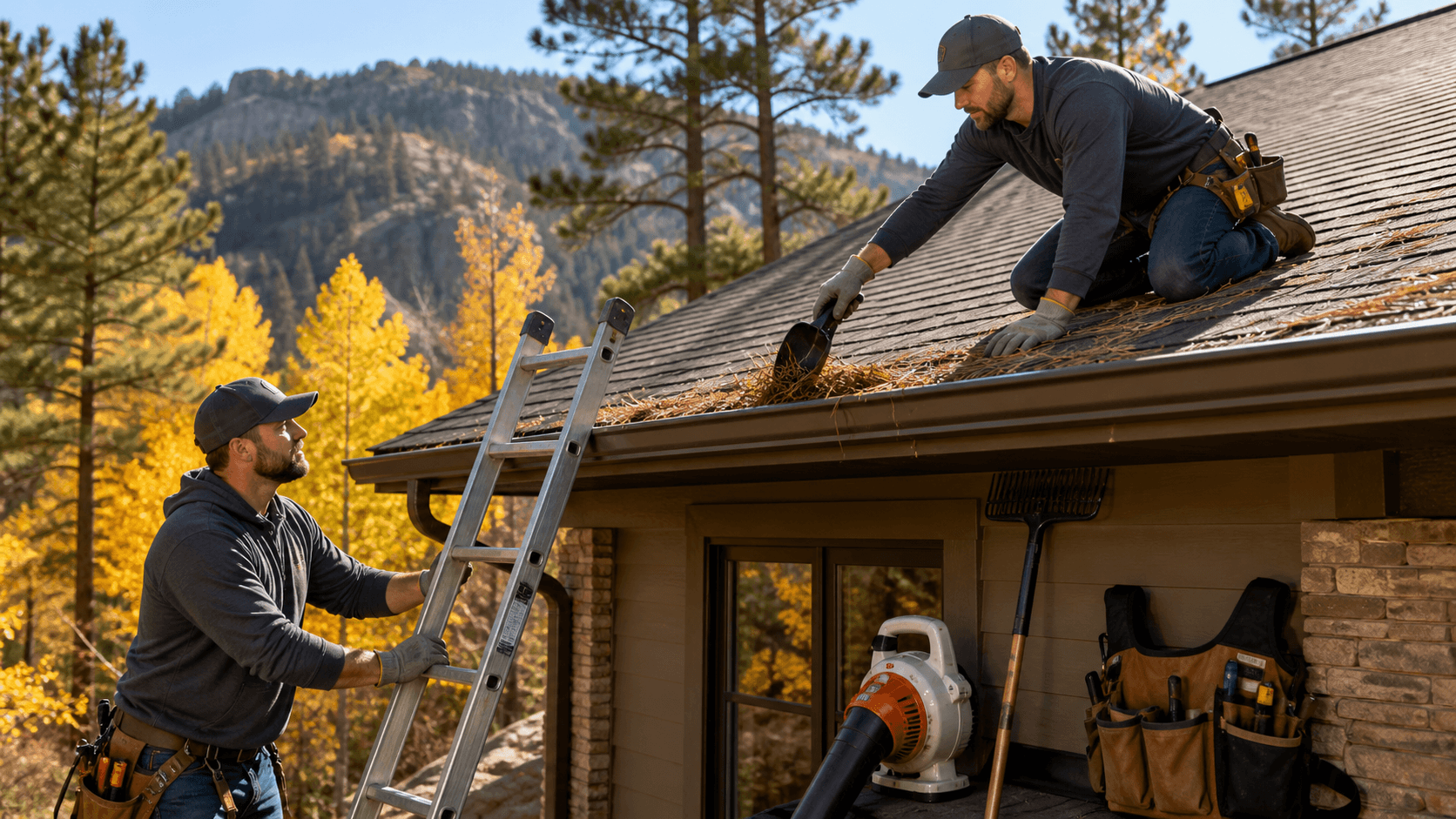
If you are checking things from the ground or from a sturdy ladder, simple safety gear helps a lot. Closed-toe shoes with good grip, work gloves, and eye protection are smart choices. Set any ladder on level ground, lock it in place, and have another adult nearby to hold the bottom and watch for traffic or pets.
You do not have to climb to get a first look at your roof. Many people use:
- Binoculars to scan shingles and flashing
- Zoom photos from the yard or driveway
- Photos taken from an upstairs window
If anything looks bent, broken, or suspicious, schedule a professional inspection instead of trying to get closer on your own.
Start at Ground Level and Around the Yard
Your yard often tells the first story about hail impact. Before you even look toward the roof, walk around the property and see how the storm treated everything on the ground.
Pay attention to signs like:
- Shredded plants or flower beds
- Leaves stripped from trees or bark knocked off one side
- Dents in your mailbox, grill, metal fences, or outdoor furniture
These clues show how hard the hail hit and from what direction. If small items around your home are dented or broken, there is a good chance your shingles took similar hits.
Next, look at gutters, downspouts, and A/C units. Check for:
- Fresh dents or dings
- Paint chips or bare metal spots
- Granules from shingles piling on the ground or in splash blocks
Granules look like coarse sand and usually match your shingle color. When they wash off in large amounts after a storm, it often means the top layer of shingles has been beaten up. If you see widespread damage around the yard, that alone is enough reason to plan a professional roof inspection after a hailstorm, even if you do not yet see a missing shingle from the driveway.
Check Shingles, Flashing, and Roof Surfaces
Once you have a sense of how hard the storm hit, take a careful look at the roof itself from the ground or a safe ladder position. On asphalt shingles, hail damage often looks different from normal wear. Instead of smooth color fading, you may see dark or discolored spots.
Common signs on asphalt shingles include:
- Round dark marks or "bruises"
- Soft spots where the shingle feels spongy if lightly pressed
- Missing granules that reveal black backing
- Cracked, torn, or broken shingle corners and edges
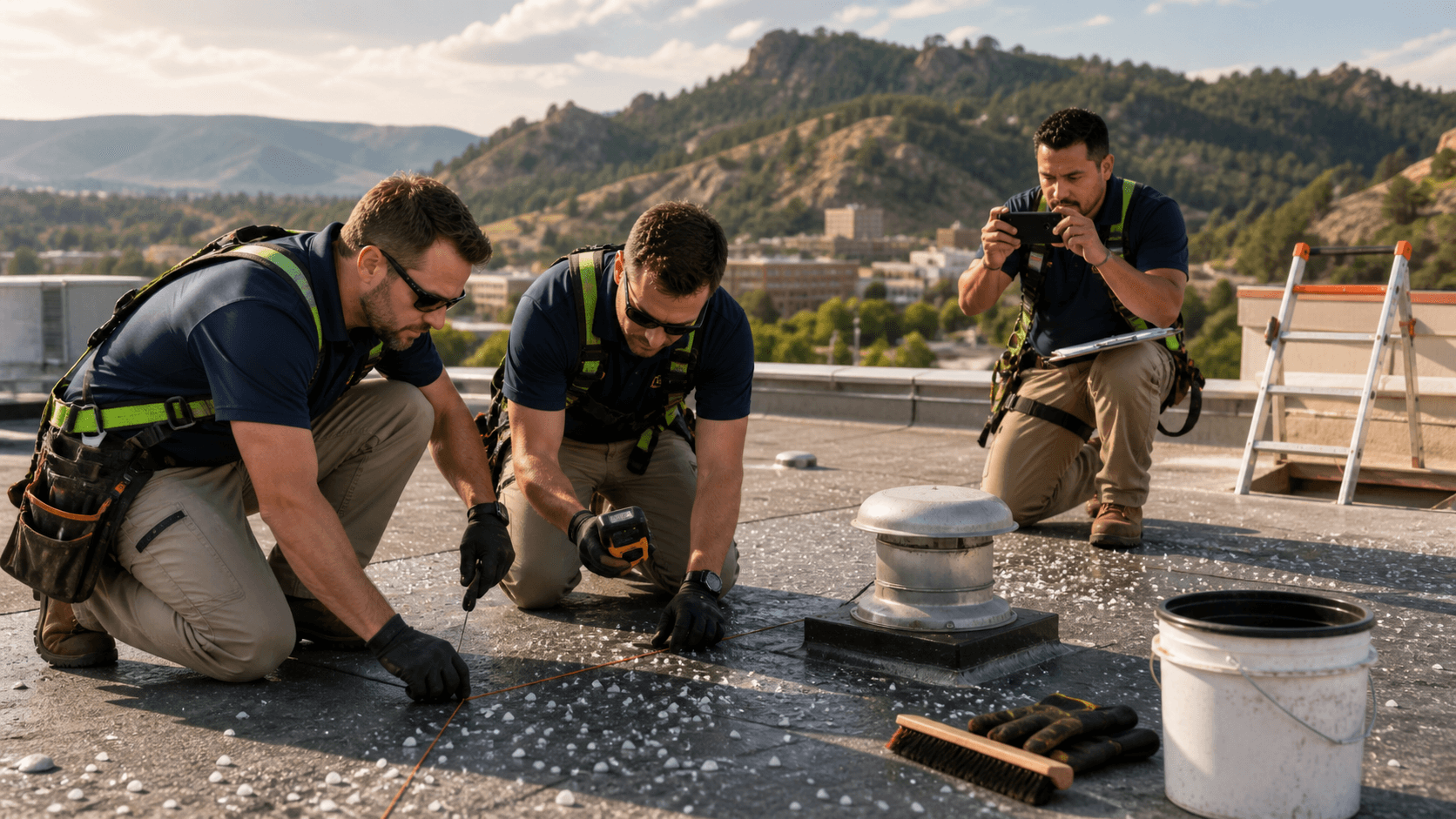
If you have a metal roof, look for dents in panels, bent seams, or chipped coating. With tile roofs, hairline cracks and small chips can show up along the edges. Flat commercial roofs may have punctures, lifted seams, or damage around rooftop units where hail struck and bounced.
Some of the most important places to check, even from the ground, are:
- Ridge caps along the peak
- Valleys where two roof slopes meet
- Around chimneys, skylights, and dormers
- Metal flashing around walls and roof edges
- Roof vents and rubber pipe boots
A thorough roof inspection after a hailstorm should account for all roof surfaces, not just the open shingle areas you see from the street. Damage often shows up first on high spots, edges, and around any metal pieces.
Inspect Gutters, Windows, and Siding for Clues
Hail does not only hit the roof. Your gutters, windows, and siding take the same storm, and they can reveal how much force the house absorbed.
Gutters and downspouts that are bent or crushed can lead to other problems. When water cannot flow freely, it can back up under shingles and soak the fascia boards. Over time, this can cause peeling paint, wood rot, and even moisture near the foundation if water spills over right next to the house.
Walk around and look at:
- Dents along the front of gutters
- Loose or sagging sections pulling away from the fascia
- Separated or leaking joints at corners and downspout connections
Next, check windows and siding. Look for:
- Cracked or chipped glass
- Torn or loose window screens
- Dents in metal siding or trim
- Chips, holes, or cracks in vinyl siding panels
If you notice damage lined up on one side of the house, that often points to the main direction of hail. Take clear photos of these areas from different angles. These pictures can support a potential insurance claim and help a contractor understand the path of the storm.
Document Damage and Understand Insurance Steps
Good notes right after a storm can save time and questions later. Start by writing down the date and rough time of the hailstorm. If you remember how long it lasted or how large the hail looked, add that too.
Then:
- Take wide photos showing whole sides of your home, roofline, and yard
- Take close-up photos of shingles, gutters, windows, and siding where damage shows
- Make simple notes on where each photo was taken
If you suspect damage, contact your insurance company to ask about next steps. They may request your photos and then schedule an adjuster to visit. While it is fine to put up a tarp or make temporary patches to prevent more leaking, avoid permanent repairs until after the adjuster has seen the property.
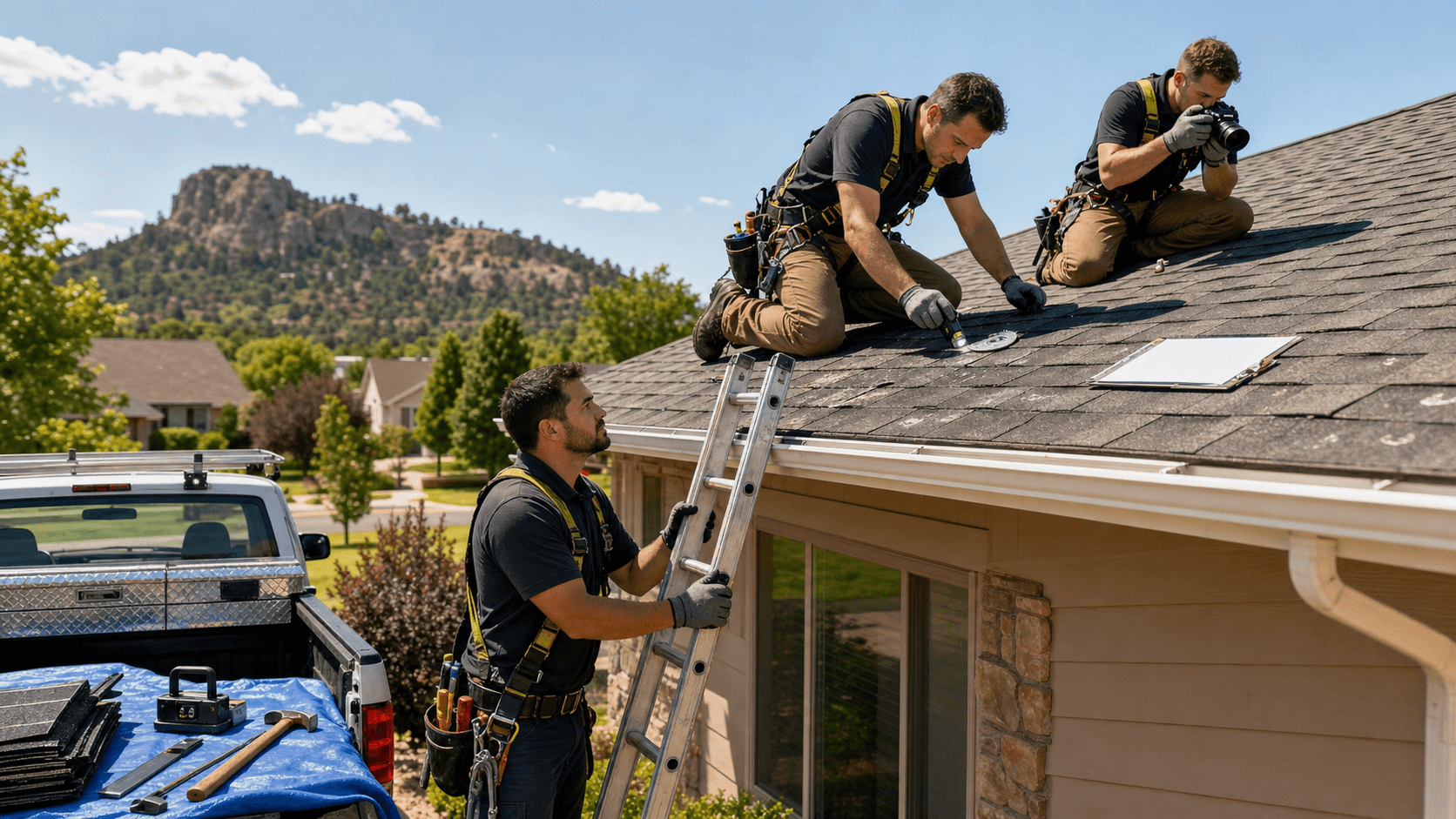
Many policyholders choose to have a licensed roofing contractor present during the adjuster's visit. A trained eye can point out hail bruises, lifted flashing, and other roof damage after a hailstorm that might be easy to miss on a quick walk-through.
When to Call RainTite for a Professional Inspection
Some signs mean it is time to stop checking on your own and call a professional. These include:
- Visible roof bruising, cracked or missing shingles
- Interior ceiling stains, bubbling paint, or musty odors after rain
- Granules filling your gutters or washing onto patios and sidewalks
- Any uncertainty about roof safety or how to get a closer look
As a licensed roofing and construction company in Rapid City, we understand the weather patterns that hit the Black Hills and how hail affects different roofing materials here. A professional inspection from our team can cover your roof, siding, and windows in one visit so you get a full picture of how your home or business handled the storm.
When summer storms roll through, a careful roof inspection after a hailstorm helps protect your property before the next system arrives. With the right safety steps, clear documentation, and support from a licensed roofing contractor, you can move from worry to a clear plan for repairs and long-term protection.
Protect Your Home With a Fast, Professional Roof Check
If your home was hit by hail, now is the time to schedule a thorough roof inspection after a hailstorm before small issues turn into expensive damage. At RainTite Roofing & Construction, we carefully assess your shingles, flashing, and structure so you know exactly what your roof needs. Reach out today and let our experienced team walk you through your options and next steps. Have questions or ready to schedule an appointment? Contact us to get started.