Why "Minor" Hail Damage in the Black Hills Matters
Minor hail damage to a roof can be easy to shrug off. After a storm rolls across Rapid City or the Black Hills, you might see a few small dings or dents and think everything is fine. The shingles are still there; there are no big holes, and nothing is dripping inside. It feels like one more storm your home just pushed through.
The problem is that what looks small on the surface can start quiet trouble under the shingles. Tiny bruises, granule loss, and hairline cracks can shorten the life of your roof and set you up for leaks later. That damage often shows up months or even years after the hailstorm that caused it.
Our team at RainTite Roofing & Construction works with this kind of hidden roof damage all the time. We understand the local weather, the patterns of late-spring and early-summer storms in the Black Hills, and what insurance companies usually look for. When you know what minor hail damage can really do, it is much easier to decide what to do after the sky clears.
How Hail Really Affects Your Roof Over Time
Hail hits every roofing material in a slightly different way, but the long-term effect can be similar: weakened protection.
Here is what often happens on different roofs:
- Asphalt shingles: Hail can knock off the protective granules, bruise the shingle mat, and loosen the seal strip that keeps shingles stuck down.
- Metal roofs: Hail may leave dents that collect water and ice, and repeated impacts can stress fasteners or seams.
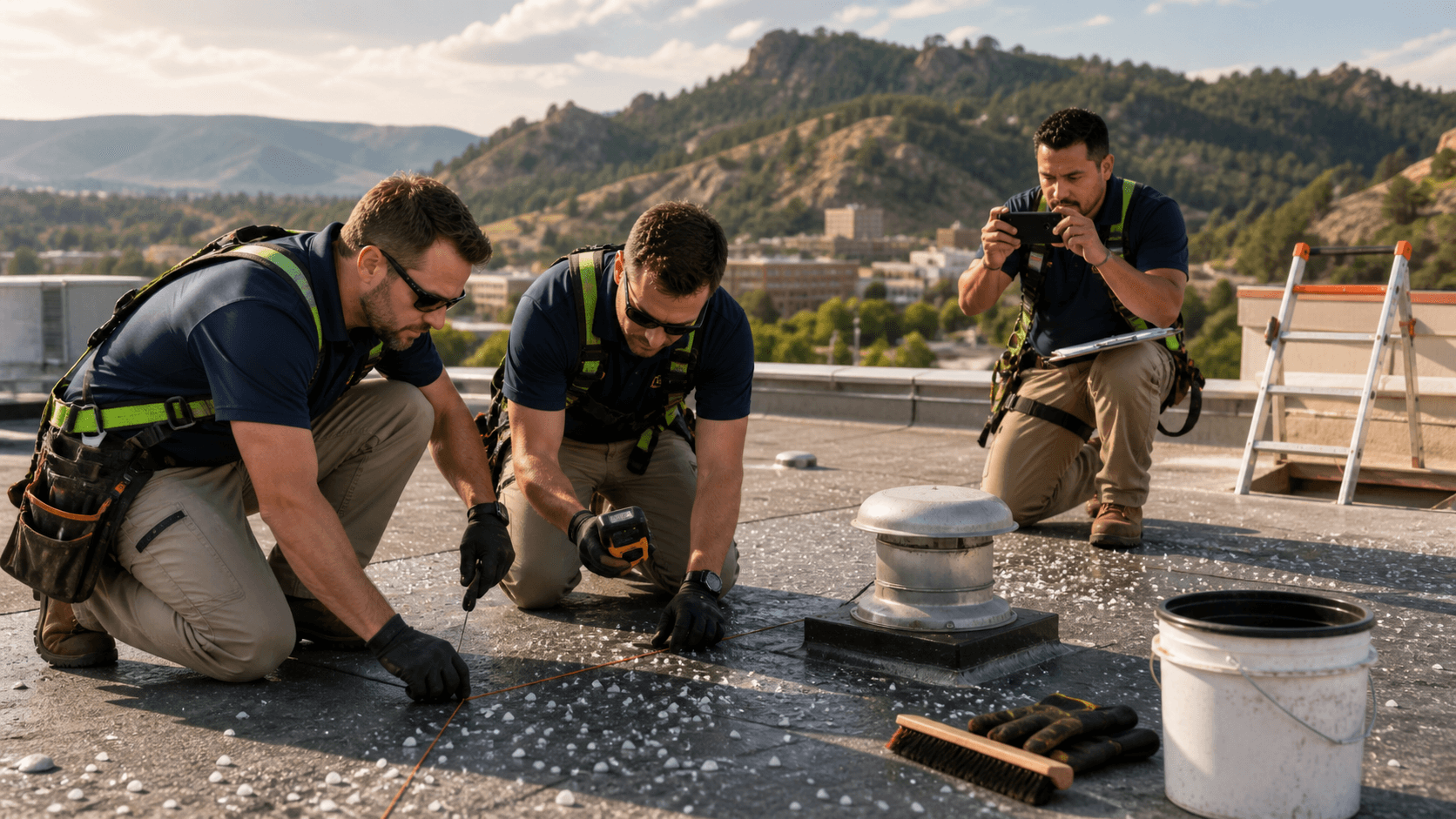
- Flat roofs: Hail can cause blisters, surface cracks, or punctures that slowly let water into the layers below.
Minor hail damage to a roof is often hard to spot from the ground. The shingles may look mostly fine, but up close you might see:
- Bare spots where granules used to be
- Small, soft bruises that feel spongy when pressed
- Hairline cracks around the impact point
Once those spots exist, the weather does the rest of the work. Without enough granules, sunlight beats directly on the asphalt and dries it out faster. A cracked or bruised shingle is weaker and more likely to split during high winds. Loose seal strips make it easier for gusts to lift shingles and for wind-driven rain to get underneath.
In the Black Hills, freeze-thaw cycles add even more stress. Moisture can work into small cracks and then freeze, expanding and making those cracks bigger. Over a few seasons, what started as light hail bruising can turn into:
- Curling or missing shingles
- Hidden deck rot under the roofing
- Leaks that show up in your attic or ceilings
All of this can happen well before your roof "should" be worn out by age alone.
Spotting Subtle Hail Damage Before It Spreads
You do not have to climb on your roof to catch early warning signs. In fact, we do not recommend that at all. Walking on a hail-hit roof can be unsafe and can even cause more damage, especially if shingles are already cracked or loose.
From the ground, you can safely look for clues like:
- Extra shingle granules in gutters, downspouts, or at the bottom of splash blocks
- Shiny or dark spots on shingles that look different from the rest of the roof
- Dents in metal vents, chimney caps, gutters, or fascia
- Chips or dings on siding, window frames, or garage doors facing the storm direction
Inside your home, pay attention to:
- New water stains on ceilings or top corners of walls
- Musty or damp smells in the attic
- Daylight showing through roof decking or around penetrations
These are signs that water may already be getting past the outer layer of roofing. The tricky part is that many of these symptoms appear long after the hailstorm, which makes it easy to forget that hail was the starting point.
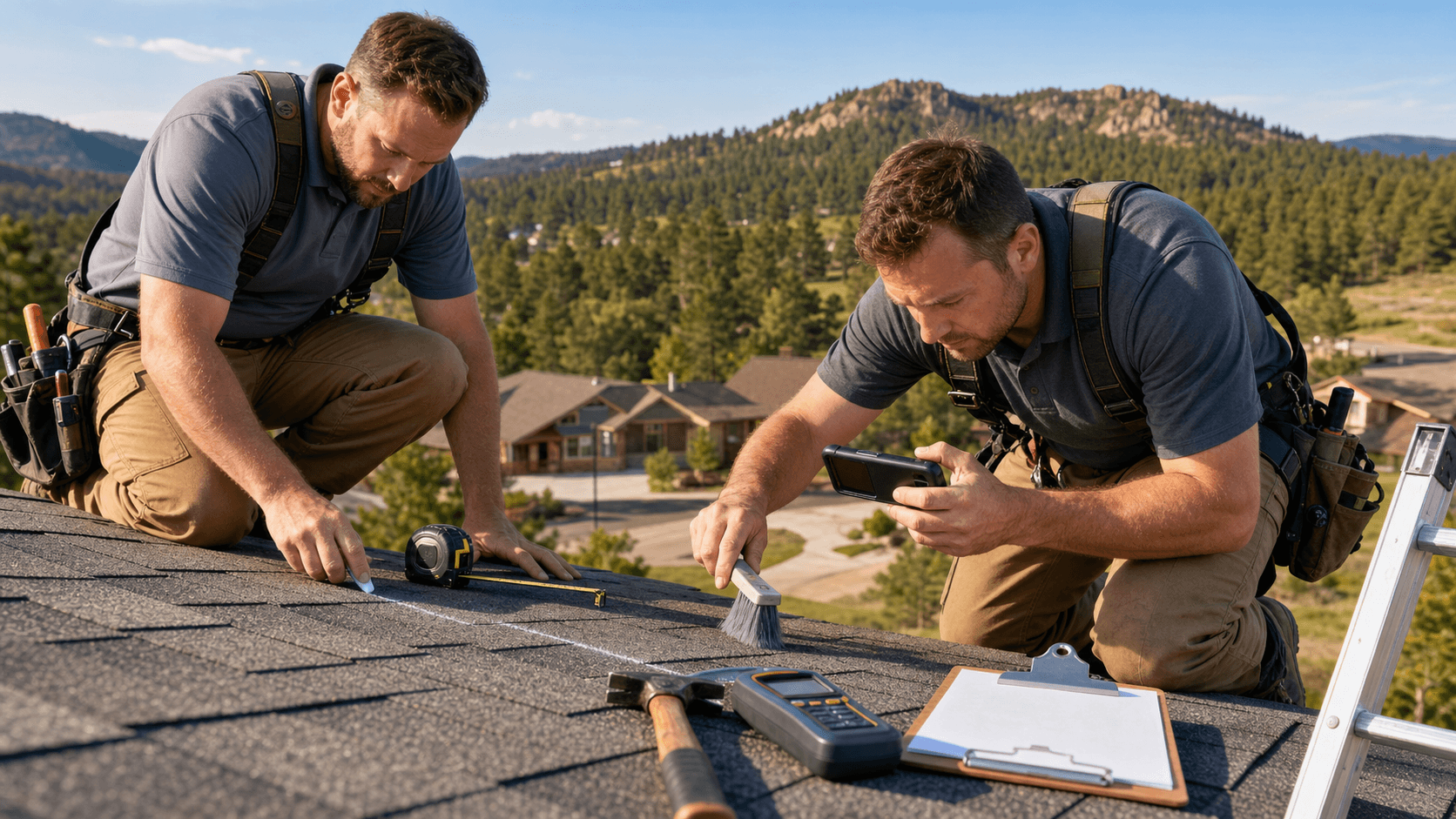
This is where a trained roof inspection matters. Our inspectors know what hail damage looks like on different materials and ages of roofs. We use our experience and tools to:
- Spot subtle impact marks and bruising
- Check how wide the damage area really is
- Look at flashing, vents, and other weak points
Catching these problems early often means easier, more targeted repairs.
Insurance Deadlines and Why Waiting Can Cost You
Many homeowners do not think about their insurance policy until they see an active leak. By then, the hailstorm that caused the original damage might be long past. That delay can create trouble with your coverage.
Most policies treat hail as "sudden" damage, but only if it is reported within a set time. If there is a long gap between the storm and the claim, an insurer may say the roof has been neglected or has normal wear and tear instead of storm damage. That can affect how much they are willing to pay, or if they will pay at all.
To protect yourself, it helps to:
- Note the date and time of major hail events that hit your home
- Walk around your property after storms and document what you see
- Get a professional inspection when you notice any new marks or issues
When a licensed contractor documents minor hail damage to a roof soon after a storm, it creates a clear picture of what happened and when. Detailed notes, photos, and an inspection report give your insurance adjuster something solid to work from. That often makes the claim process easier and helps you argue for fair coverage if there is any disagreement later.
Repair or Replace After "Minor" Hail Damage
Not every hail-hit roof needs to be replaced. Sometimes the damage is limited, and repairs can restore protection. Other times the damage is scattered over a large area, and replacement is the better long-term choice.
Common repair options for lighter damage might include:
- Replacing individual damaged shingles
- Resealing loosened shingle tabs
- Repairing or upgrading flashing around chimneys, vents, and valleys
When hail impacts are widespread, repairs might only be a short-term fix. You might end up chasing new leaks every season. In those cases, full replacement can provide a fresh start and a uniform surface that performs the way it should.
Many homeowners worry about cost, which is understandable. What we see again and again is that waiting to "see if it leaks" often leads to:
- Interior repairs to ceilings, walls, and insulation
- Structural issues in the roof deck or framing
- Mold or rot from long-term moisture
Addressing minor hail damage early helps keep the work focused on the roofing itself instead of deeper parts of your home. Insurance can often help when a storm is the cause, especially when the damage and timing are well documented.
In our area, it also pays to think about local needs:
- Matching shingle color and style so repairs blend in with the rest of the roof
- Considering hail-resistant roofing products designed for frequent storms
- Planning work around typical storm seasons so your home is better prepared
A careful inspection and honest assessment can help you decide what level of repair or replacement fits your home and situation.
When to Call RainTite After a Black Hills Hailstorm
Right after a hailstorm, your first step is basic safety. Make sure everyone is okay, check for broken glass, and cover any obvious openings if it is safe to do so. Once things are calm, a smart next move is checking your property from the ground and noting any new marks or damage you see.
You should consider calling RainTite Roofing & Construction promptly if:
- You see dented vents, gutters, or siding after a hailstorm
- There are piles of granules in your gutters or around downspouts
- You notice new stains on ceilings or walls
- You hear dripping in walls or the attic during the next rain
When we come out for an inspection, you can expect us to:
- Assess the full roof surface, plus flashing and roof penetrations
- Take photos and notes to show you exactly what we see
- Explain the condition of your roof in plain language
- Help you understand whether the issues look storm-related
- Provide information you can share with your insurance adjuster if needed
Even if you think you only have minor hail damage to a roof, having a local, licensed contractor take a closer look can protect your home, your budget, and your peace of mind before the next round of Black Hills storms rolls through.
Protect Your Home From Hidden Hail Damage Today
Even small dents or granule loss from minor hail damage to a roof can turn into costly leaks if they are not inspected and repaired promptly. At RainTite Roofing & Construction, we provide thorough evaluations so you know exactly what your roof needs before problems get worse. Reach out to our team to schedule a professional inspection and get straightforward recommendations. If you are ready to talk with a roofing specialist, simply contact us today.