Stop Letting Storm Damage Myths Cost You Money
Storms roll through the Black Hills fast, but the damage they leave on roofs often shows up slowly. Many Rapid City homeowners walk around the yard after a hail or windstorm, see no missing shingles or dripping ceilings, and assume everything is fine. Then, months later, leaks, stains, or ice dam problems start to appear, and the repair becomes much bigger than it had to be.
Our weather is hard on roofs. Strong sun, sudden temperature swings, hail, high winds, and long winter snow loads all work together. Even small storm issues can turn into serious problems when they sit through more storms and another winter. That is why the myths around storm damage roof repair can be so costly.
We want to clear up the most common myths we hear from Rapid City homeowners. When you understand what is really going on up there, you can decide when to bring in a licensed local roofer, how to talk with your insurance company, and how to protect your home before the next round of storms hits.
Myth: "If I Don't See Leaks, My Roof Is Fine"
No leaks does not always mean no damage. Hail and wind can hurt your roof in quiet ways that you will not notice from the driveway. Shingles might be bruised, granules knocked off, or flashing pulled loose just enough to be a problem later.
In our area, this hidden damage often shows up when the weather changes. A roof might survive one storm without leaking, but then:
- Melting snow works its way into tiny cracks
- Heavy rain finds a loose nail hole or raised shingle edge
- Ice forms around damaged areas and forces them open wider
Over time, what started as a few bruised shingles can turn into:
- Rotten or soft roof decking
- Mold and mildew in the attic
- Wet or ruined insulation
- Ceiling stains and peeling paint inside your home
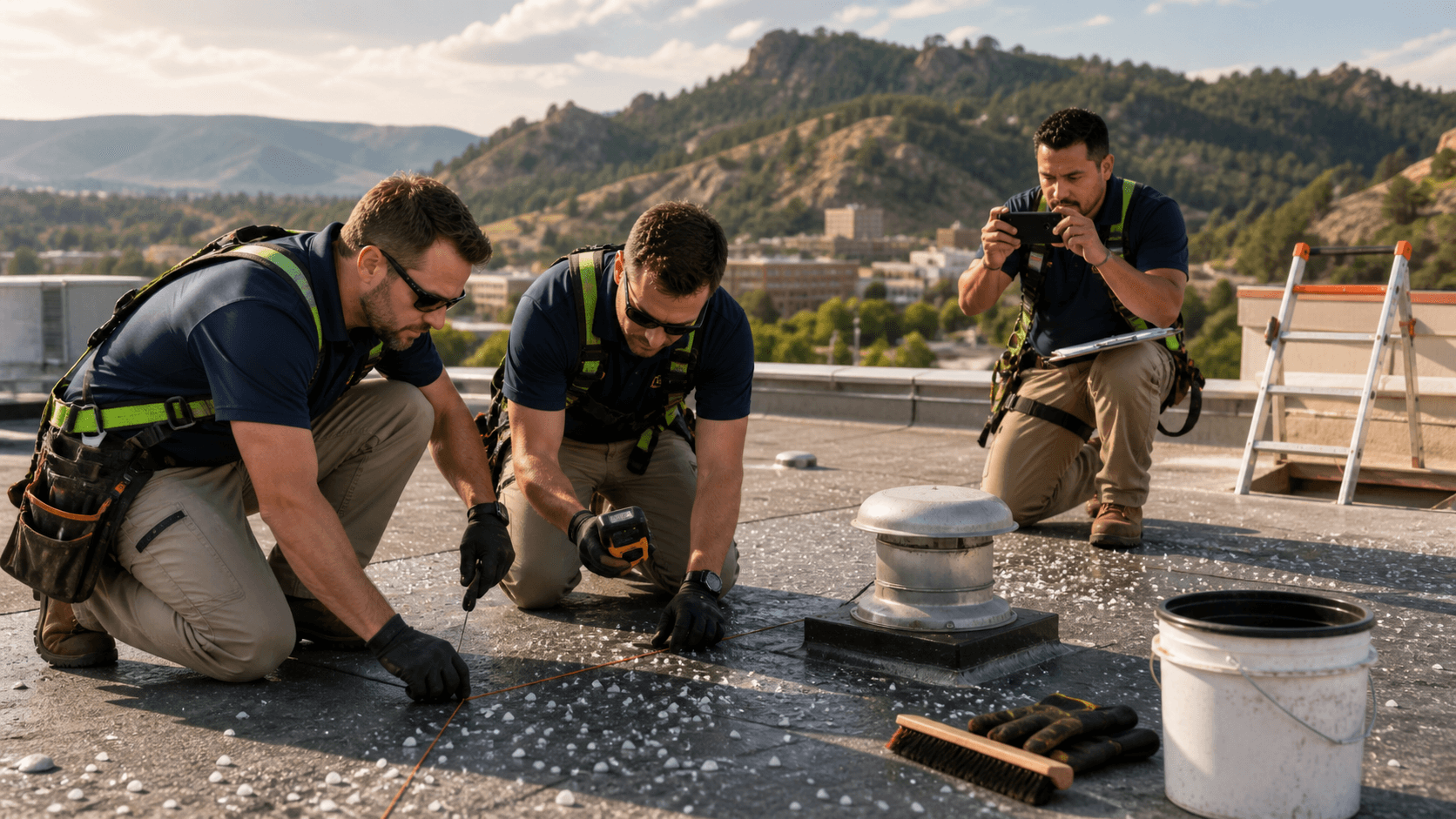
Waiting until you see water inside usually means the damage is already serious and more expensive to fix. A better plan is to have a professional roof inspection after significant hail or wind events, even when the roof looks okay from the ground. A trained eye on the roof surface can spot issues long before they turn into leaks.
Myth: "My Insurance Will Automatically Cover Everything"
Many homeowners are surprised to learn that their policy does not always work the way they thought it would. Insurance often helps with storm damage roof repair, but it usually comes with rules, limits, and deadlines.
Common surprises include:
- Higher deductibles on wind and hail claims
- Reduced coverage for older roofs
- Requirements to report damage within a certain time
- Conditions that repairs must bring the roof back to its previous condition
If you wait too long to report possible storm damage, your insurer may say the proof is not clear anymore. If you start repairs without proper photos or inspection notes, you may have trouble showing what was storm-related and what was not. That can mean a smaller claim or even a denial.
This is where working with a roofing contractor who knows local insurers can help. A good roofer can:
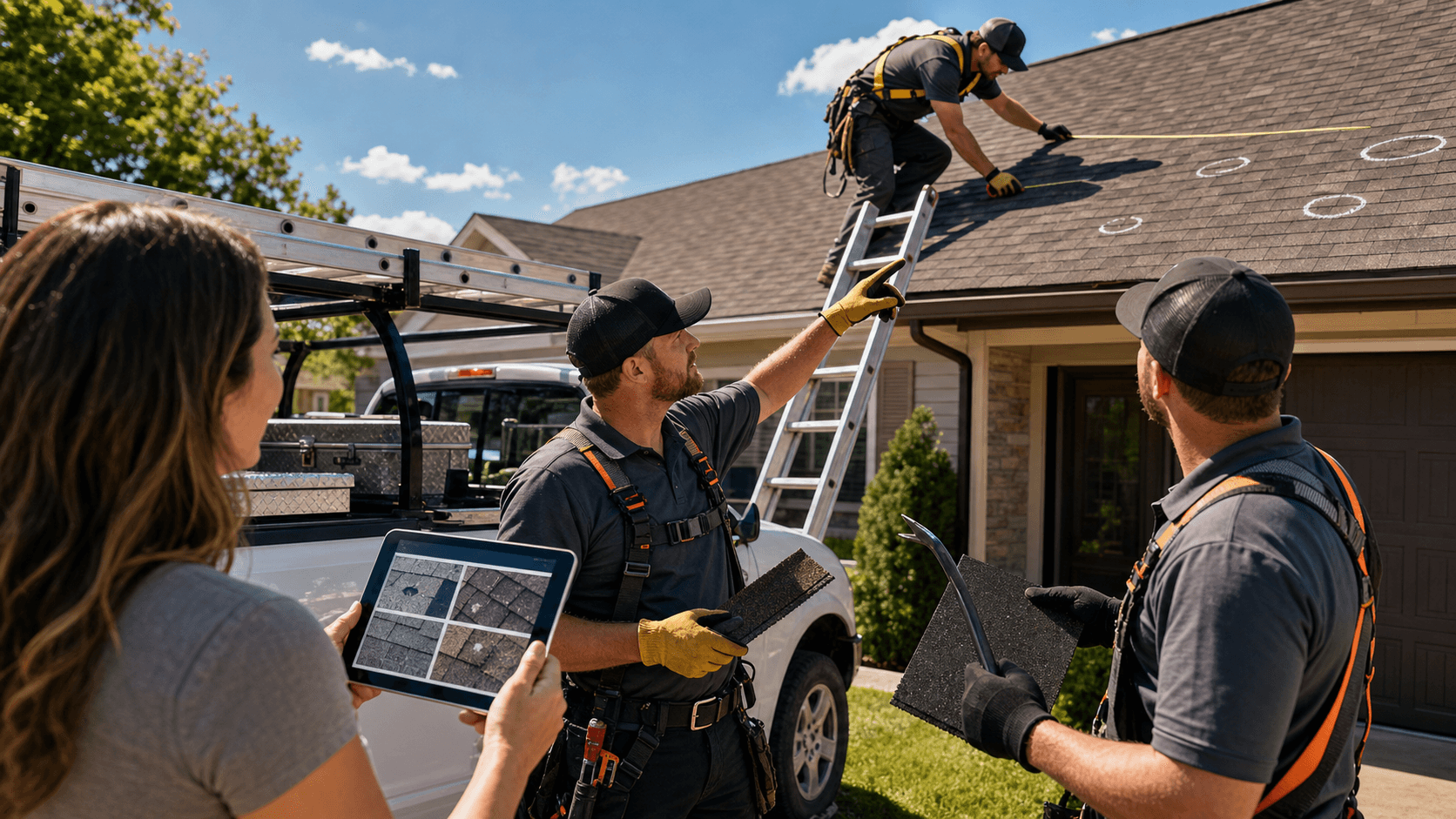
- Document damage with clear photos and written notes
- Point out storm-related issues that might be easy to miss
- Meet the adjuster at the property to review the roof together
- Help make sure the repair plan matches what your roof actually needs
Before storm season, it helps to read through your policy, know your deductible, and keep records of your roof age and any past work. After a major storm, contact your insurer and a trusted roofer quickly so you stay within the rules of your policy.
Myth: "Any Handyman Can Handle Storm Repairs"
Storm damage repair is not just about hammering in a few nails. Hail and wind can affect many parts of your roof system, often in ways that are easy to overlook if you do not work with roofs every day.
A proper storm check looks for things like:
- Hail hits that broke shingle seals without tearing them off
- Shingles lifted by wind and then dropped back down loosely
- Damaged underlayment that you cannot see from the surface
- Flashing around chimneys, skylights, and valleys that has shifted
On top of that, local building codes and roofing standards matter. Roofs in the Rapid City and Black Hills area need materials and installation methods that handle heavy snow, ice, and big temperature swings. Ice and water shield placement, attic ventilation, and proper fastening all affect how long your repair will last and whether it meets inspection.
Cheap bids from unlicensed handymen or traveling storm crews can be tempting. The problem is they might:
- Skip permits and inspections
- Use lower quality materials
- Ignore local code requirements
- Leave town before any warranty issues show up
Storm damage roof repair is a place where it pays to use a licensed, insured local roofer. Ask for references, make sure they have a real local address, and get written estimates and warranties before anyone starts tearing into your roof.
Myth: "I Should Wait Until Storm Season Is Over"
Many homeowners think they should hold off on repairs until the storms are done, so they only fix the roof once. This sounds logical, but it often leads to more damage.
Our prime hail and severe thunderstorm season runs through much of the summer. If your roof takes a hit in early or mid-season and you leave it weak, the next big cell can cause far more harm. A shingle system that is already cracked, bruised, or loose will not stand up well to another round of hail or wind.
Delaying repairs can also cause:
- Small leaks to grow with each rain
- Wet insulation to stay damp and grow mold
- More shingles to loosen around already damaged areas
There is also the practical side. After a big storm, reputable contractors fill their schedules quickly. Waiting too long might mean:
- Long delays before a full repair can be done
- Temporary tarps or patches sitting on your roof longer than you like
- More water getting in during summer downpours
A better approach is to have the roof inspected as soon as possible after each major event. If needed, short-term protective work can be done right away to limit further damage and keep your insurance claim stronger.
Myth: "Storm Damage Repair Is Just About Shingles"
Shingles get most of the attention, but storms do not stop there. Hail and wind can also:
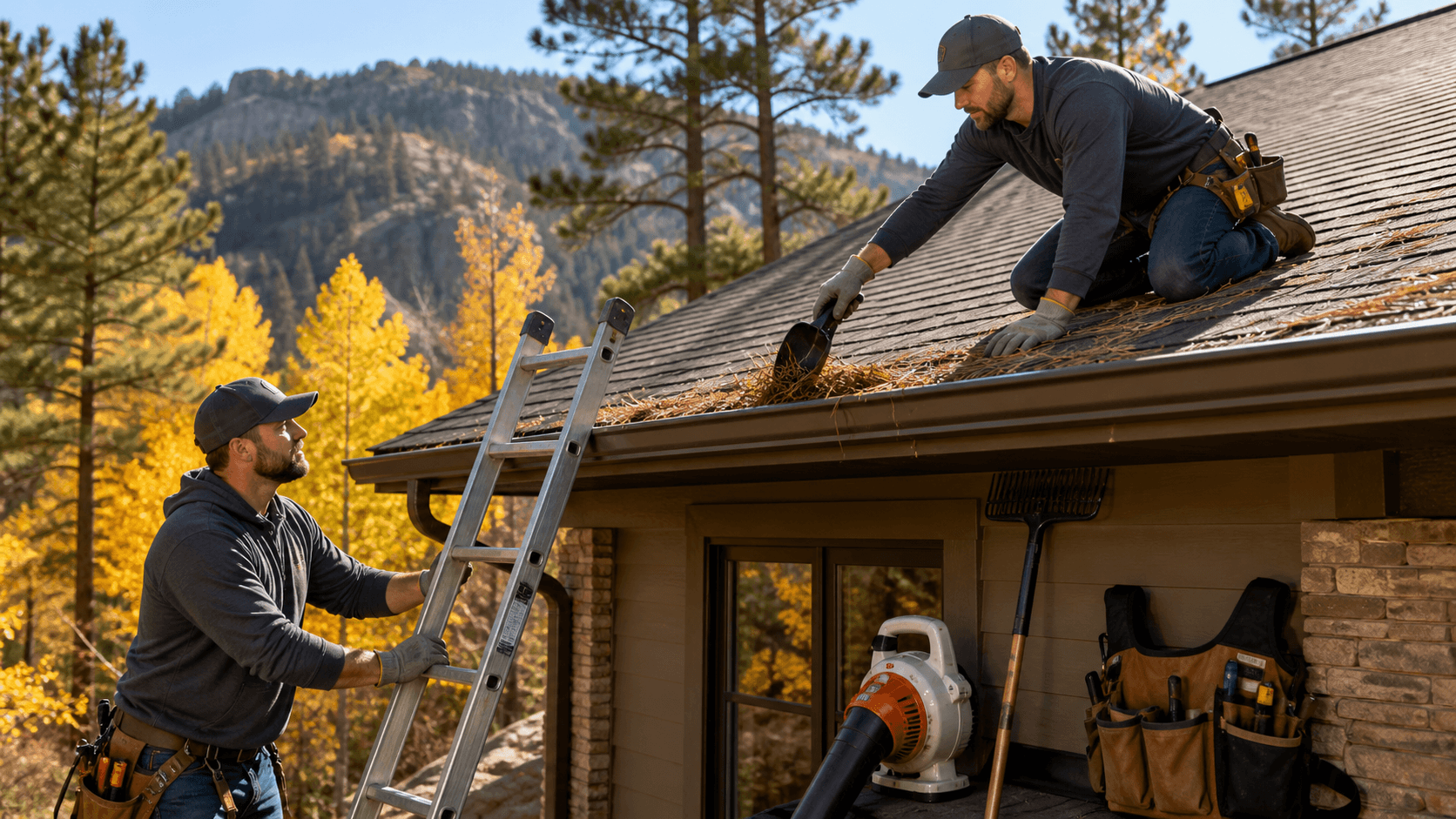
- Dent or pull loose gutters
- Crack siding on the storm side of the house
- Damage vents, flashing, and skylight seals
- Chip or break windows and screens
Your roof is part of a full water management system. Decking, underlayment, vents, flashing, gutters, and downspouts all work together to move water off and away from your home. If one part is damaged, problems can show up later as ice dams, dripping soffits, or wet walls.
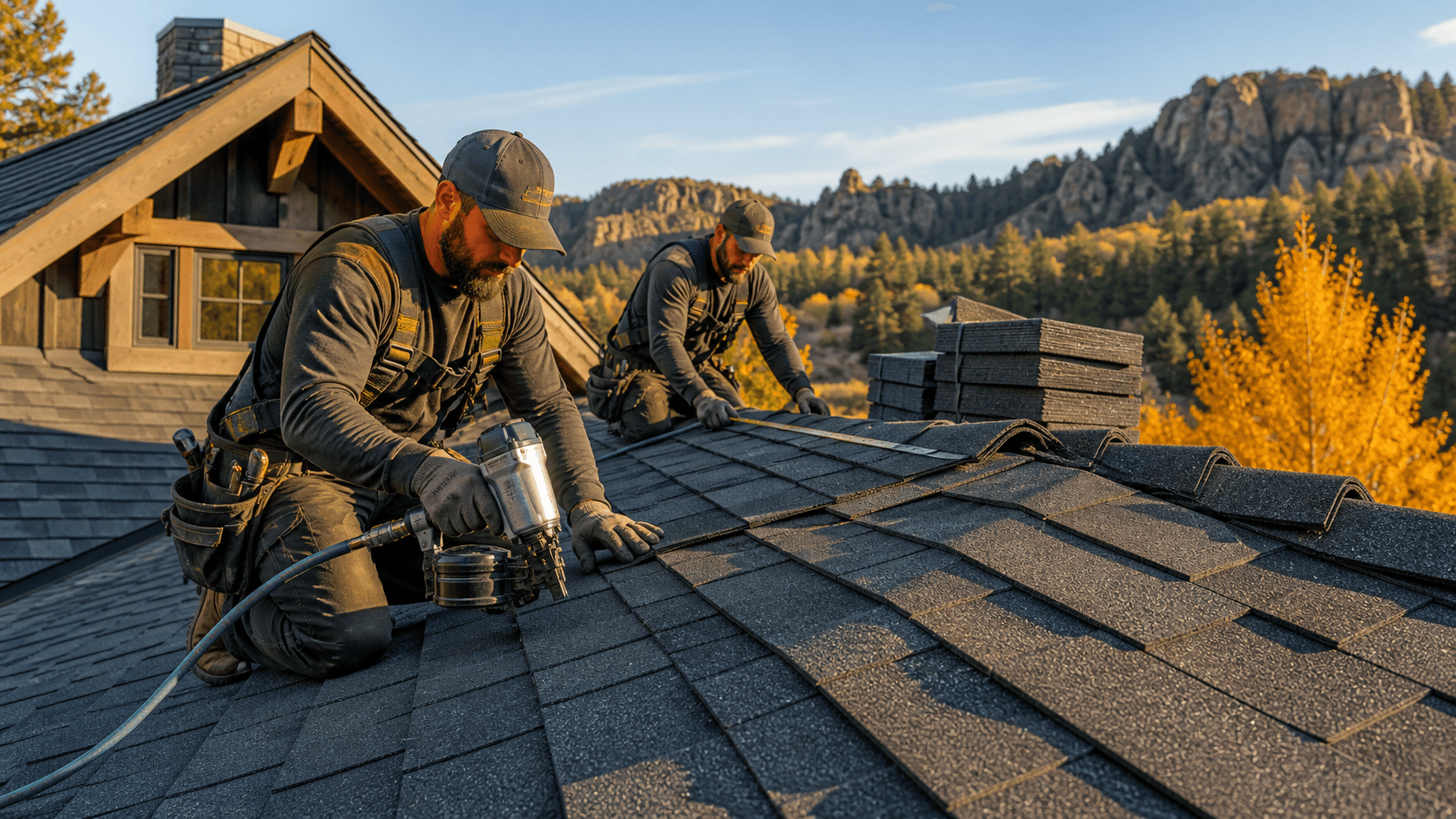
That is why a full exterior check is often the smartest move after severe weather. A company that works with roofs, siding, and windows can look at everything at once and see how it all ties together. Then, storm damage roof repair can be coordinated with any needed siding or window work so your home is restored as a complete system, not just patched in one spot.
Take Control of Storm Damage Before It Spreads
Storm damage myths are more than just bad ideas. They can lead to denied claims, bigger leaks, and costly structural repairs that might have been avoided with early action. Waiting for obvious leaks, assuming insurance will take care of everything, trusting the lowest bid, or putting repairs off until later all give damage more time to spread.
You have more control than it might feel like during storm season. Simple steps like documenting storms, getting timely professional inspections, and choosing a reputable local roofing contractor can protect both your home and your peace of mind. When you know the truth behind these common myths, you can face the next round of hail, wind, and snow with a roof, siding, and windows that are ready for what Rapid City weather brings.
Get Started With Your Project Today
If a recent storm has left your roof compromised, we are ready to respond quickly and restore your home's protection. Learn how our storm damage roof repair services can address leaks, missing shingles, and structural issues before they become bigger problems. At RainTite Roofing & Construction, we inspect your roof thoroughly and walk you through clear repair options. To schedule an inspection or request an estimate, contact us today.