Stay Safe and Stop the Drips Before More Damage Spreads
Summer thunderstorms and hail can hit Rapid City and the Black Hills fast. Roofs that looked fine the day before can end up with bruised shingles, loose flashing, and tiny punctures that leak on the next rainy day. Those small openings can let water spread through insulation, drywall, and framing in just a short time.
Right after a storm, your main goals are simple: keep people safe, slow down any active leaks, and document what happened so your storm damage roof repair claim has a solid foundation. Quick, calm action in those first few hours often makes the difference between a small repair and a major rebuild later.
At RainTite Roofing & Construction, we work on homes and businesses across Rapid City and the Black Hills. We see the same patterns year after year: hail on one side of a roof, wind damage on another, and hidden issues that do not show up until the next rain. We want to share what we have learned so you know what to do after the storm passes.
First Hour After the Storm: Safety and Quick Checks
When the sky finally settles down, it is tempting to rush outside. Slow down and think safety first.
- Wait until lightning and strong wind are gone before going outside
- Do not climb on a wet or damaged roof
- Keep children and pets away from downed trees, branches, and broken glass
Inside the house, look for hazards before you do anything else. Wet ceilings and sagging drywall can collapse without warning. If you see water close to outlets or light fixtures, turn off power to that room at the breaker if you can do it safely. Skip ladders under a bulging ceiling. Use buckets and towels from a safe distance instead.
Once the inside is stable, take a slow walk around your yard. From the ground, you can spot a lot:
- Missing or lifted shingles
- Bent or missing metal flashing around edges or chimneys
- Damaged or pulled away gutters and downspouts
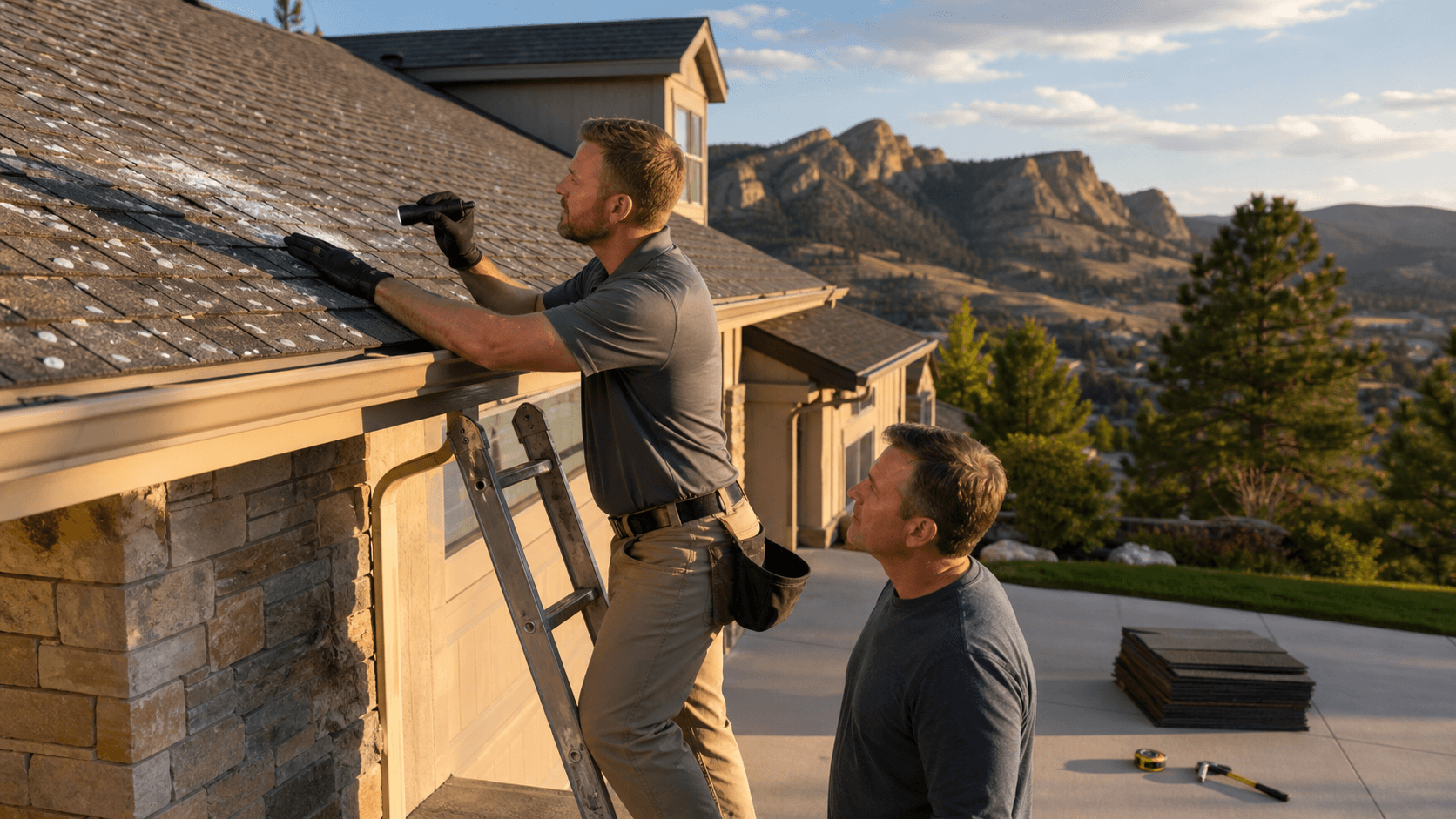
Check the ground near your downspouts. Piles of black or colored granules can point to hail-damaged shingles. Look at decks, patios, grills, and AC units for fresh dents. Damage on these items often lines up with damage on that same side of the roof.
Back inside, do a careful scan of ceilings, walls, and floors. Watch for:
- New yellow or brown spots on ceilings
- Bubbling or peeling paint
- Soft, sagging, or cracked drywall
- Wet carpet, especially along exterior walls
If your attic is safe and dry enough, you can take a quick look with a flashlight from the access opening. Note any damp insulation, dark wet marks on the wood, or daylight coming through the roof deck. Start a simple log on paper or your phone with the date, time, what you hear, what you see, and anything you do to control water.
Temporary Tarping and Leak Control You Can Safely Manage
Emergency steps are just that, short-term ways to limit damage until a professional crew can handle full storm damage roof repair. Not every homeowner should attempt tarping, and that is okay.
In general, a homeowner might safely help when:
- Damage is small and near the edge of the roof
- The area is reachable from a sturdy ladder on level ground
- Someone is there to hold the ladder and watch for problems
Stop and call a roofing professional if you see large bare areas, sagging roof lines, cracked rafters, or anything that looks unstable. No temporary fix is worth a serious injury.
Inside, focus on slowing water:
- Place buckets, pans, or plastic tubs under active drips
- Move furniture, rugs, and electronics out of the wet zone
- Cover floors and valuables with plastic sheeting or heavy trash bags
If a ceiling has a big water bubble and the area below is clear, you can carefully puncture the lowest point with a screwdriver or nail and let the water drain into a bucket. This can ease pressure and lower the chance of a large sudden collapse.
For outside tarping, professionals wait for dry conditions and then cover the damaged area with a heavy-duty tarp that reaches over the ridge and a few feet past all sides of the bad spot. The tarp is pulled tight and secured with furring strips and nails into the roof deck, not just held down with loose bricks or rocks. This method has a better chance of standing up to South Dakota winds.
If your roof is steep, high, wet, or you are unsure at all, stay off of it. A licensed Rapid City roofing contractor can handle emergency tarping in a way that protects both your home and your future claim.
What to Document for a Strong Insurance Claim
Good records help your insurance carrier understand what happened and how fast you acted. Start with clear photos and videos.
Outside, take:
- Wide shots of each full side of the home
- Close-ups of missing or lifted shingles
- Photos of damaged vents, flashing, gutters, and downspouts
- Pictures of hail dents on siding, AC units, and outdoor furniture
Inside, document every area touched by water. Get both context and close-up shots of:
- Ceiling stains and wet drywall
- Damp insulation, if visible
- Warped or buckled flooring
- Swollen baseboards and trim
- Damaged personal items like furniture or electronics
If your camera allows, turn on date and time stamps. Short videos where you walk and talk through the damage can help later. Mention which rooms are new problems and what changed right after the storm.
Keep a simple storm file with:
- Your notes and log from day one
- Photos and videos
- Copies of weather warnings or news about the storm
- Emails or notes from phone calls with your insurance company
Save every receipt related to the damage. This can include emergency tarping, fan or dehumidifier rentals, temporary lodging, or any supplies bought to protect the home. Insurance carriers usually expect homeowners to take reasonable steps to limit further damage, and your records show that you did.
When you call your insurance company, use clear words like "hail and wind damage to roof and interior water intrusion." Ask when an adjuster can come out, and see if your roofing contractor can be there at the same time. A professional inspection report, detailed photos, and a written estimate from a licensed Rapid City roofer often make the claim process smoother.
Working with a Local Pro for Lasting Storm Damage Roof Repair
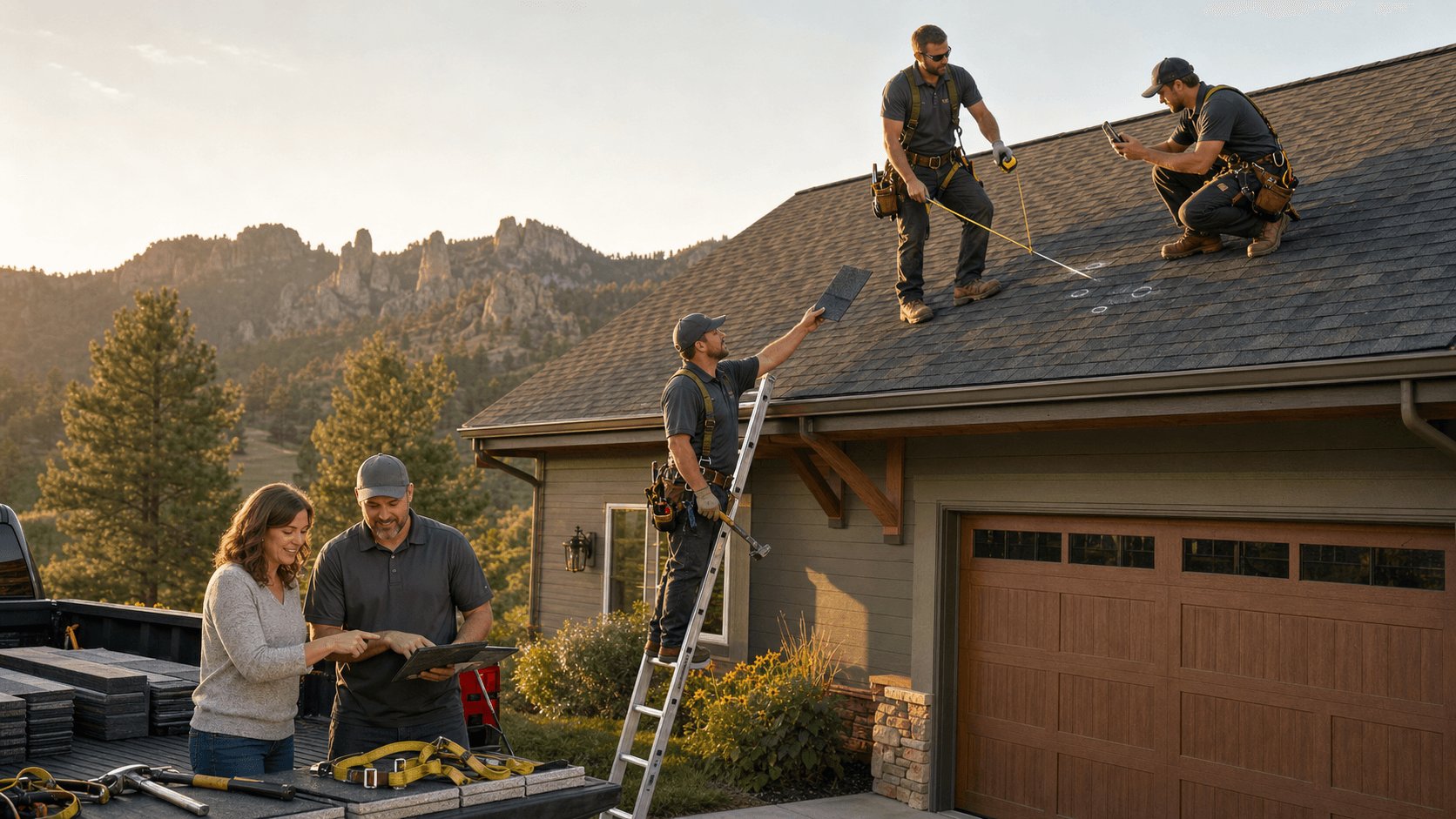
After the emergency stage, it is time to think long term. Local roofing pros understand how storms usually move through Rapid City and the Black Hills, which slopes tend to take the hardest hits, and what hail sizes are common. That local knowledge helps them spot damage that might look minor at first.
A licensed South Dakota roofer also knows area building codes and common insurance practices for nearby communities. An established local company is more likely to be around for warranty questions down the road, long after temporary crews have moved on.
The full storm damage roof repair process often follows a steady path:
- Emergency tarping or leak control
- Detailed roof and exterior inspection
- Photo and report package for your records and insurance
- Claim review and adjuster meeting
- Final repair or full roof replacement
A good inspection goes beyond shingles. It includes underlayment, flashing, vents, skylights, chimneys, gutters, siding, and sometimes windows. The goal is to be sure nothing is missed that might cause trouble later.
Quality materials matter too. Products rated for hail and high wind can help your roof stand up better to future storms. Some homeowners decide to upgrade to impact-resistant shingles where they make sense, which can reduce the chance of repeat damage on the next big cell.
When you talk with roofing contractors, ask questions such as:
- Are you licensed in South Dakota, and do you carry liability and workers' compensation insurance?
- Will you handle any needed permits for work in Rapid City?
- What warranties do you offer on labor and materials?
- How will you coordinate with my insurance adjuster and share documentation?
Choose a contractor who explains what they found in plain language and gives you a clear, written scope of work. You should understand what will be repaired or replaced, how long it will take, and how the process will work before you sign anything.
By acting quickly after a storm, keeping good records, and working with a trusted local roofer, you give both your home and your claim the best chance at a strong recovery. RainTite Roofing & Construction is here in Rapid City to help guide that process from the first drip to the last shingle.
Protect Your Home With Fast, Reliable Roof Repairs Today
If a recent storm has left your roof damaged, we can inspect it quickly and provide dependable storm damage roof repair tailored to your home and budget. At RainTite Roofing & Construction, our team focuses on honest assessments, clear communication, and high-quality workmanship so you can move forward with confidence. Reach out today to schedule an inspection or request an estimate, and we will guide you through every step. If you are ready to get started, simply contact us and we will respond promptly.