Stop Letting Insurance Myths Cost You After Hail
Hail is a normal part of life around Rapid City and the Black Hills, but it can be rough on your roof. Those spring and early summer storms that blow through with wind and hail do more than make noise. They can damage your shingles in ways you cannot see from the driveway. That damage can shorten your roof's life and open the door for leaks later on.
The problem is that many homeowners and business owners hear bad advice after a storm. Neighbors, social media, even well-meaning friends repeat insurance myths that lead to denied or underpaid claims. We want to clear up some of the biggest myths about hail damage to roof shingles and share what property owners in our area should really do when the sky finally calms down.
Myth: "If I Can't See Leaks, My Roof Is Fine"
Hail does not need to punch a hole through your roof to cause trouble. On asphalt shingles, which are common in Rapid City, hail can:
- Bruise the shingle mat
- Knock off the protective granules
- Crack the seal between shingles
- Loosen nails or fasteners
From the ground, the roof may still look okay. Inside your home or building, the ceiling may be dry. But hidden problems can already be in motion.
Over time, those bruised shingles can:
- Curl, crack, or blow off in later wind
- Let in slow, hidden moisture
- Lead to mold in the attic or walls
- Weaken decking and other structural parts
Insurance policies are usually written to cover sudden storm damage, not long-term wear and tear. If you wait until you see stains on the ceiling, your insurer may argue that the roof failed from age instead of hail. That delay can hurt your claim, even if the storm is what started the damage.
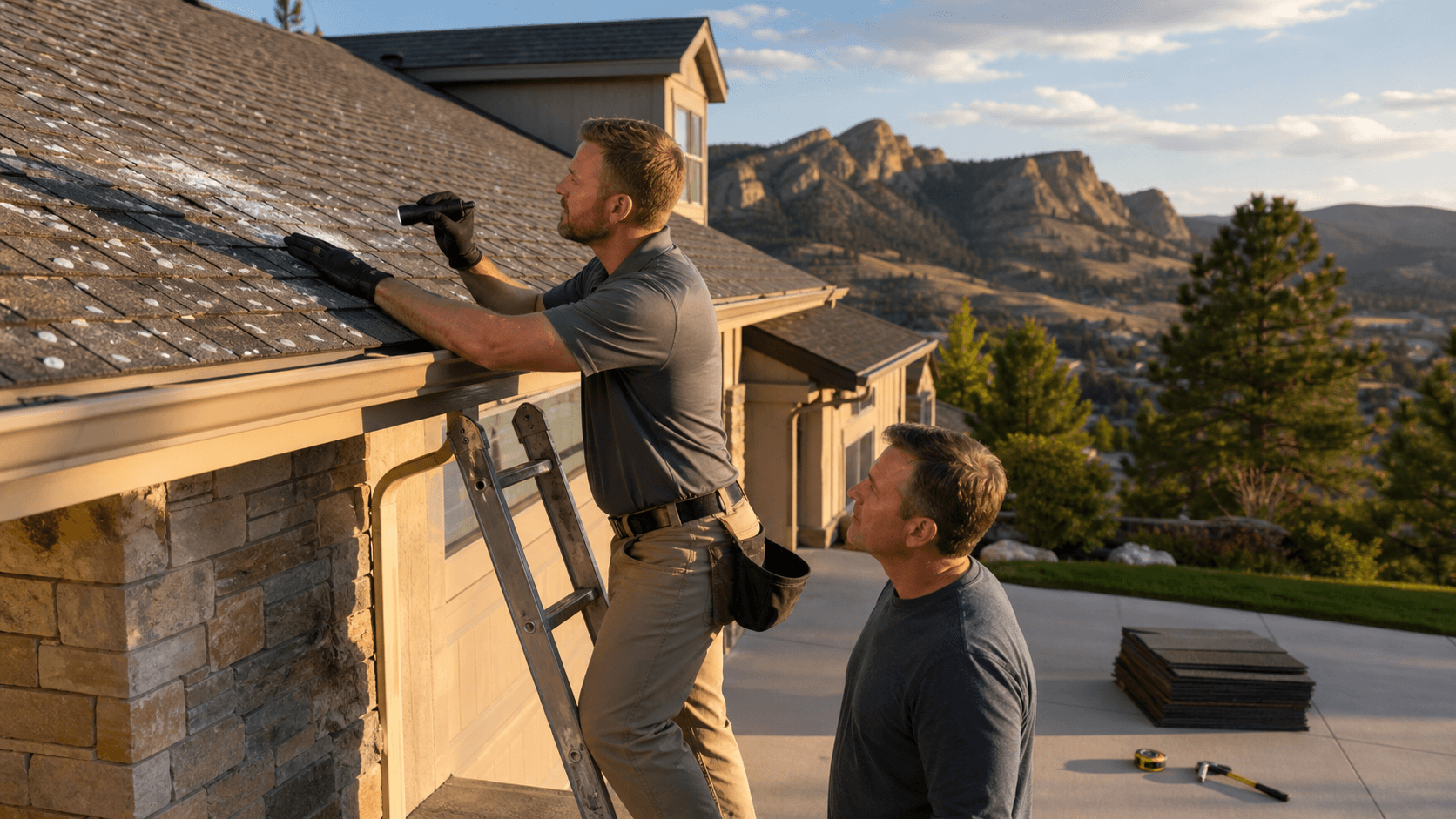
The safer move is to have a professional inspection soon after a hail event. That way any damage to your hail-damaged roof shingles is documented while it is clearly storm-related.
Myth: "My Insurance Will Automatically Cover Everything"
Many people are surprised when their hail claim payout does not match what they expected. The type of policy you have makes a big difference. Two common types are:
- Replacement cost coverage, which is based on what it takes to replace damaged materials with new ones
- Actual cash value coverage, which factors in age and wear, so older roofs may get smaller payouts
On top of that, your policy may include details that change how much you receive, such as:
- Deductibles that come out of your payment
- Cosmetic damage limits, which can affect claims when damage is "ugly but functional"
- Exclusions or reduced coverage for older roofs
- Deadlines for reporting a storm loss
Many owners do not look closely at the wording until after a storm, when stress is already high. Reading your policy before hail season is one of the best things you can do. Pair that with a professional roof inspection and you have clear records of the roof's condition, both before and after a storm. That documentation can help the adjuster see the full picture.
Myth: "I Should Wait Until Hail Season Is Over"
Some owners think it is better to wait until hail season is done, then file one big claim. The thought is to "get it all handled at once." The problem is that waiting can create several issues.
Insurance companies often review:
- Local weather reports and storm logs
- Radar and hail data for specific dates
- Timelines of when you noticed and reported damage
If you wait many weeks or months, the insurer may question when the damage really happened or if it came from a covered event at all. At the same time, existing hail damage can get worse as sun, rain, and wind keep working on already weakened shingles.
A simple game plan for storms in the Black Hills is:
- Take clear photos of anything you can safely see from the ground
- Check gutters, downspouts, and siding for dents or granules
- Arrange a prompt professional roof inspection
- Notify your insurance company as soon as possible after a known storm
Quick action helps protect both your property and your right to a fair claim.
Myth: "Any Roofer Can Handle My Insurance Claim"
Not every roofing contractor has the same level of experience with hail claims or local building rules. Handling hail damage to roof shingles for an insurance claim is different from a basic repair job.
A contractor who is a good fit will understand:
- How to spot and document hail damage that may not be obvious
- What local building codes require for repairs or full replacement
- How adjusters typically inspect roofs in the Rapid City area
- Manufacturer guidelines for proper installation and replacement
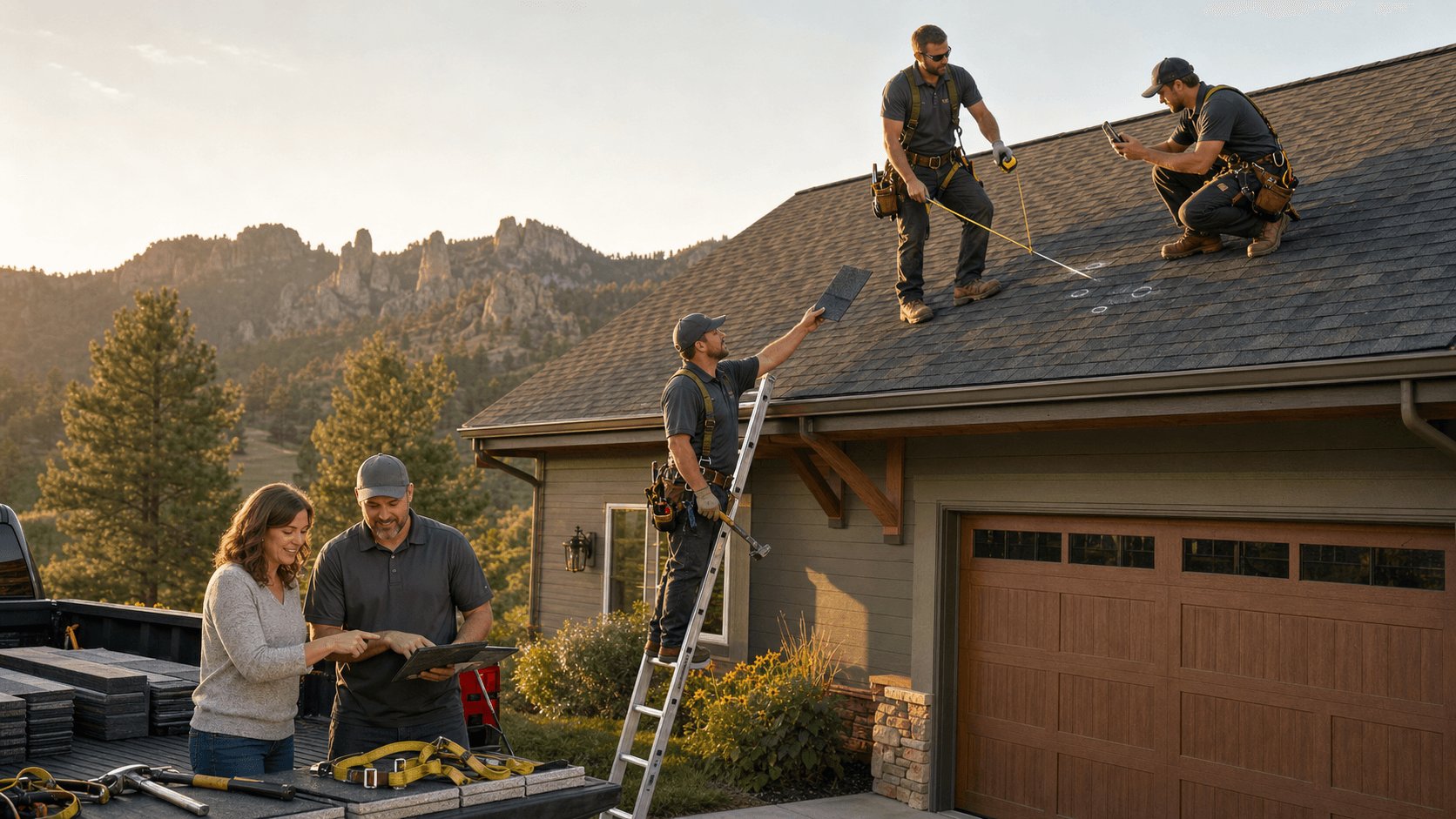
Working with a licensed, local roofing contractor who knows our weather patterns can make the process smoother. They can meet with the adjuster, explain what they see on the roof, and help make sure damage is not missed.
It is also important to watch out for storm chasers who roll into town after big hail. Before you agree to anything, you should:
- Verify licenses and insurance
- Ask about their local experience
- Make sure they explain the process in clear, simple language
A contractor who values integrity and communication will focus on what is best for your roof and your claim, not just a quick sale.
Myth: "I'll Save Money with Quick Patch Repairs"
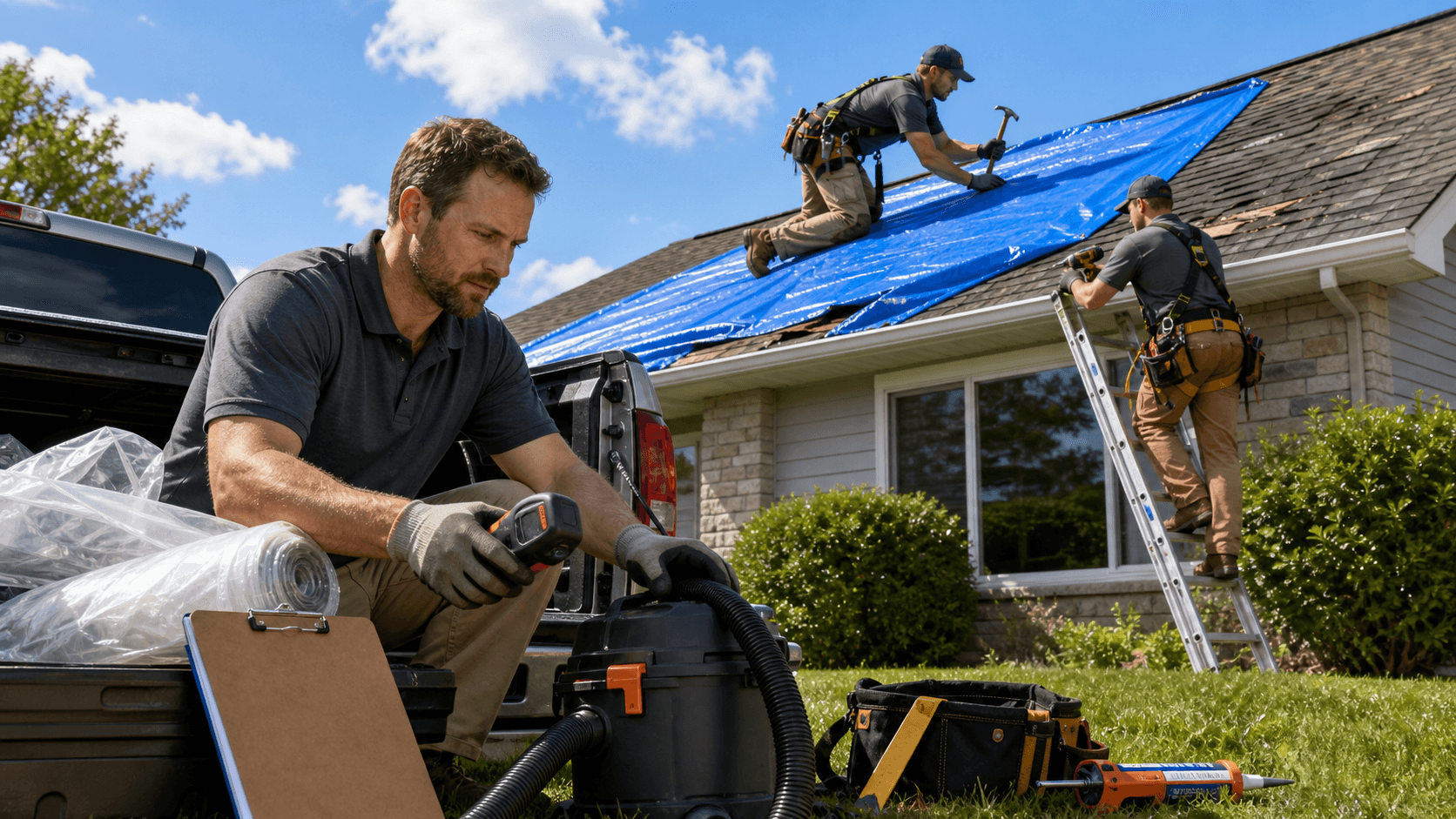
It can be tempting to patch only the most obvious spots. Maybe a few shingles blew off, or you see a nicked area. Quick patches may seem like a budget-friendly fix, but they can create bigger problems later.
Spot repairs can:
- Void or affect manufacturer warranties if done the wrong way
- Leave odd, mismatched sections that do not age like the rest of the roof
- Miss deeper hail damage that is not visible from a ladder
If you later need to make another claim, it can be harder to show which damage came from which storm, or what the roof looked like before. That can weaken your position with the insurer.
A well-documented repair or full replacement, when truly needed, tends to be a better long-term choice. It gives you:
- Clear records of what was damaged and how it was fixed
- A roof that performs as a complete system
- Peace of mind that hidden problems are not waiting to surprise you
Take Control of Your Hail Damage Claim This Season
Hail-damaged roof shingles may look minor at first, but the impact can be serious over time. Insurance coverage is not automatic, and small choices about timing, documentation, and contractor selection can shape how your claim turns out. Acting quickly after a storm, keeping good records, and getting a careful inspection are simple steps that protect your home or business.
As a licensed roofing contractor in Rapid City, we understand how hail and high plains weather affect roofs across the Black Hills. We are here to provide thorough roof evaluations, help you make sense of your policy language, and guide you through each step of the insurance claim process with clear and honest information.
Get Started With Your Project Today
If you are seeing signs of hail damage roof shingles, we can inspect your roof and explain exactly what needs to be done before small issues turn into expensive leaks. At RainTite Roofing & Construction, we focus on clear communication, detailed evaluations, and repairs that hold up to South Dakota weather. Reach out through our contact page and we will schedule a convenient time to look at your roof. Let us help you protect your home and restore your peace of mind.