Protect Your Roof and Your Claim After a Hailstorm
Hail in Rapid City and across the Black Hills can move in fast and leave a lot of confusion behind. Roofs, siding, and windows can all take hits, and the damage is not always easy to see from the ground. What you do right after a storm can make a big difference in how your insurance claim turns out.
Clear, organized proof often decides whether you get a full roof replacement, a small repair, or a denied claim. Insurance adjusters need to see when the damage happened, where it is, and how it affects your home or business. That is where good photos, a simple timeline, and a proper roof inspection after a hailstorm come in.
In this guide, we will walk through how to stay safe while checking for damage, what to photograph, how to build a timeline that makes sense, and what insurance adjusters focus on when they visit your property. We will also explain how a local licensed contractor can help back up your claim with solid documentation.
First 24 Hours After Hail: Safety, Damage Check, Next Steps
Safety always comes first after a storm. Hail can crack shingles, break glass, and knock loose pieces of metal. It is natural to want to rush outside, but slow down and look around carefully before you move.
Skip climbing on the roof. Instead, start with what you can see from the ground. Watch for broken glass, downed power lines, or loose wires, and stay far away from anything electrical, especially if there is standing water near outlets or panels. You can also scan the yard and driveway for loose shingles or metal pieces that may have blown off.
A pair of binoculars or the zoom on your phone camera can help you look up at the roof from a safe spot. You may notice dark spots on shingles, dented metal vents, or bent gutters without ever leaving the ground.
Next, do a quick walk around the outside and check these common impact areas:
- Gutters and downspouts for dents or bent sections
- Siding for chips, cracks, or holes
- Window screens for tears, which often show hail direction
- Decks, railings, and outdoor furniture for impact marks
- AC units and vehicles for dents that show hail size
The first 24 hours are important for your insurance claim because everything is still fresh. This is the best time to take photos before you clean up debris, and to note any active leaks or drips inside. Pay attention to new water stains on ceilings or around windows, and contact your insurance company to let them know you may have hail damage.
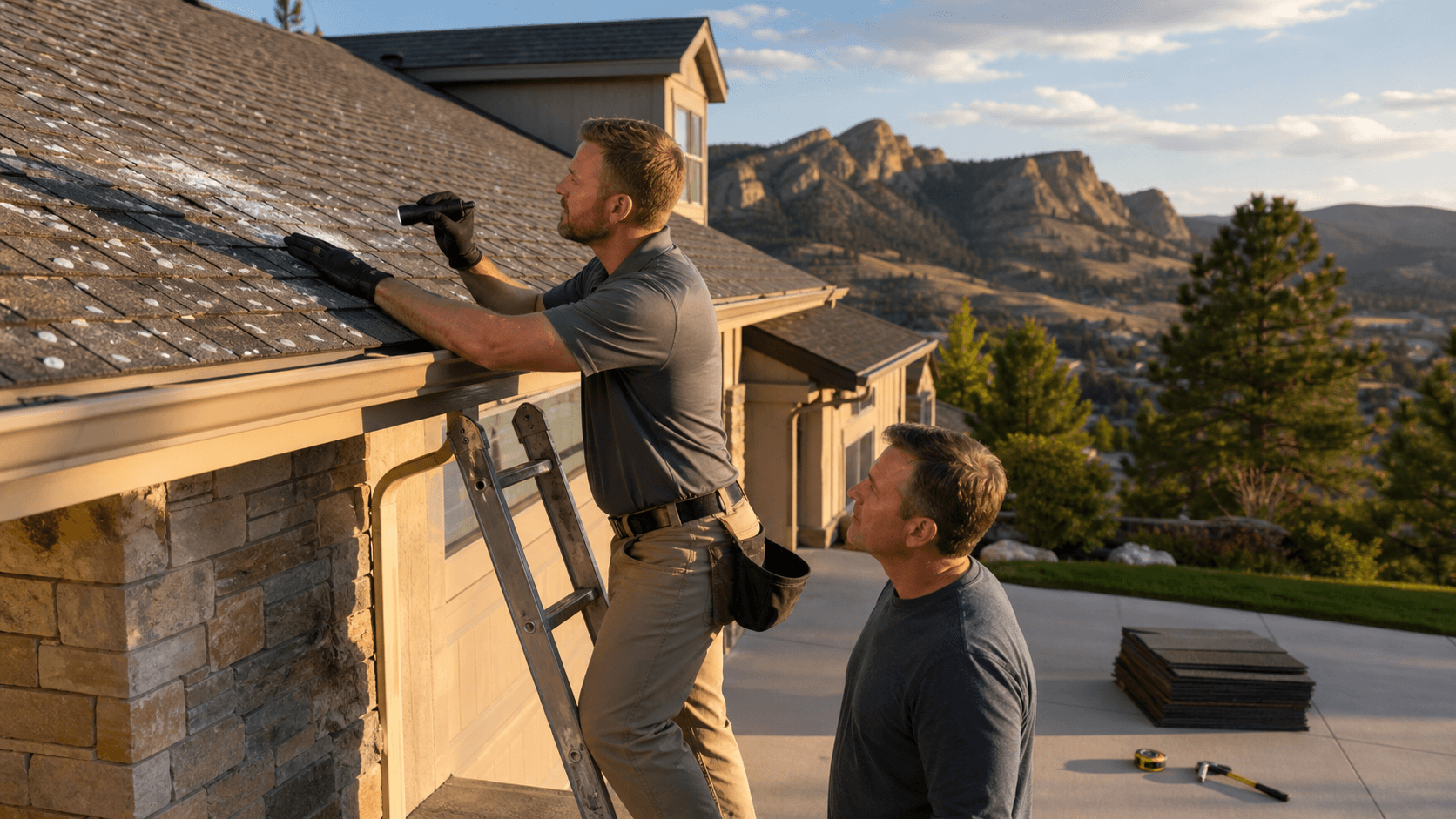
You can also call a trusted local roofer for a professional roof inspection after a hailstorm. A trained eye can spot hidden problems, like bruised shingles or damaged flashing, that may not be obvious yet but can lead to leaks later.
How to Photograph Hail Damage Like an Adjuster
Good photos tell the story of what happened to your home. Adjusters use pictures to confirm hail size, direction, and how many spots were hit. You can help your claim a lot by taking clear, organized photos before things are repaired.
Think in three levels:
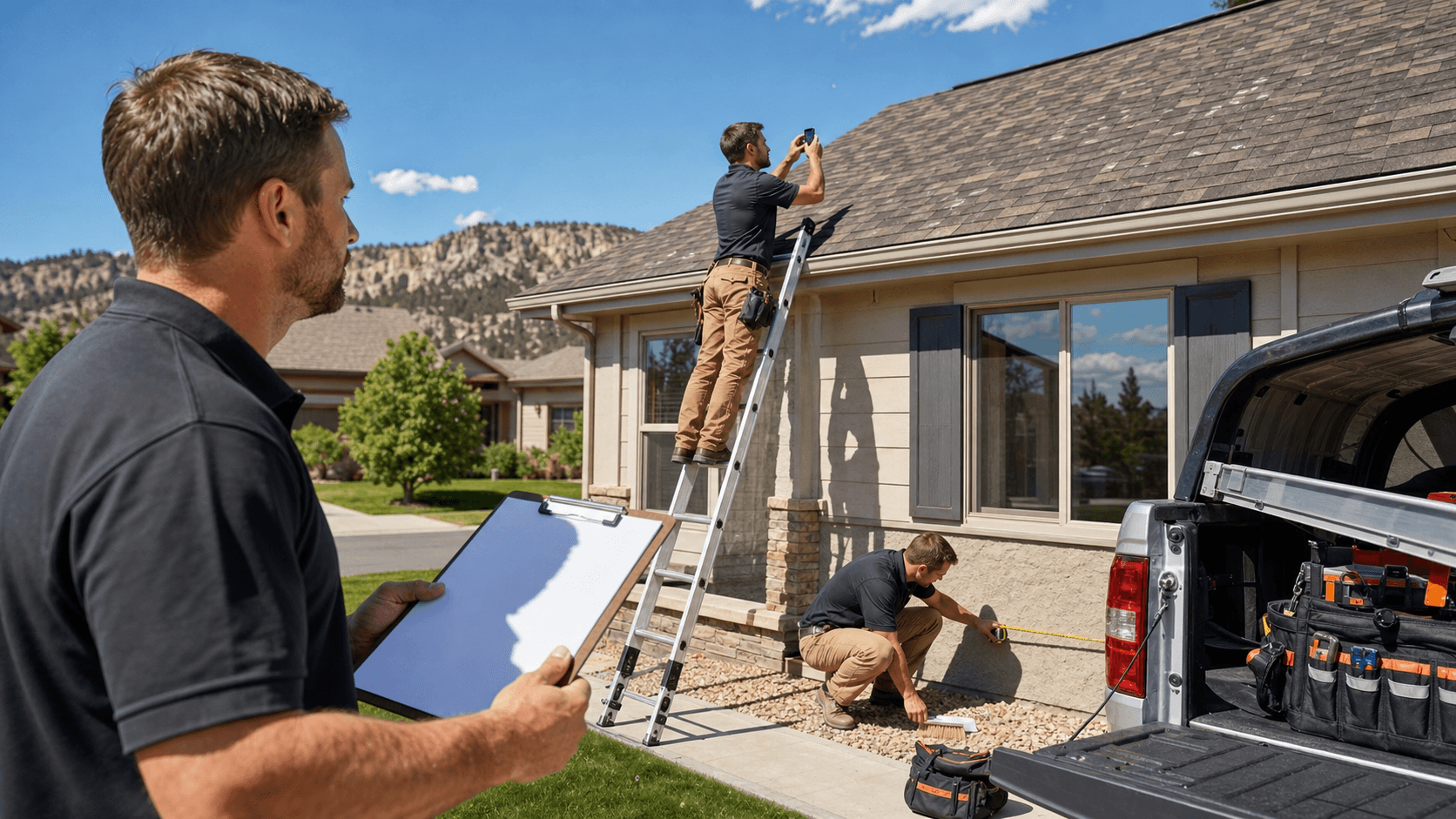
- Wide shots: Each side of your home, each roof slope, front and back yards
- Medium shots: Gutters, downspouts, vents, skylights, AC unit, garage doors
- Close-ups: Individual hail strikes on shingles, dents in metal, cracks in siding
For the best results:
- Take photos in daylight with the sun behind you when possible
- Do not use filters or heavy edits, keep the image natural
- Snap several angles of the same spot to show depth and shape
- Place a ruler, coin, or tape measure in the photo for scale
Keep your photos organized so your adjuster and roofer can review them easily. A simple system works well:
- Make folders by area: front elevation, back elevation, north roof slope, garage, interior
- Turn on date and time stamps if your camera or phone has that option
- Add short labels like "back gutter dents" or "living room ceiling stain"
On asphalt shingle roofs, adjusters often look for dark circular impact marks, soft spots or "bruising" you can feel when pressed, missing granules that expose the backing under the surface, cracked or broken shingle tabs, and dented metal flashing, vents, and ridge caps.
These photos do not replace a professional inspection, but they give your adjuster a clear starting point and show that the damage was there right after the storm.
Building a Solid Timeline Insurance Can Trust
A simple, clear timeline links your damage to a specific hailstorm. In Rapid City and the Black Hills, storms can hit more than once in a season, so this record helps show which storm caused what.
Write down the key details while they are still easy to remember, including the date and approximate time the storm hit your area. Add any weather alerts or local news screenshots about the hail, and include notes on hail size, color, and wind direction if you noticed it. Also record when you first saw leaks, stains, or broken items, and when you first contacted your insurance company and a roofer.
Save anything that supports your story:
- Photos of hailstones on the ground next to a ruler or coin
- Short videos of the storm if taken safely from indoors
- Receipts for emergency tarping or temporary repairs
Keep everything together in one place, either in a folder on your computer or a physical binder. Include the following so the claim is easy to follow:
- Your running storm log
- All damage photos and videos
- Copies of any repair or tarping invoices
- Emails or letters with your insurance adjuster
- The written findings from your roof inspection after a hailstorm
When your claim file is neat and complete, it is easier for the insurance company to follow and harder to question.
What Insurance Adjusters Really Look for on Your Roof
When an adjuster comes out, they are trying to answer a few key questions: Is this damage from hail or just age? Is it recent? And is it bad enough to affect how the roof works?
They will usually inspect:
- Shingles for bruising, granule loss, and exposed fiberglass mat
- Metal vents, flashings, and roof edges for dents and creases
- Gutters and downspouts for impact marks
- Siding, trim, and window beads for chips and cracks
- Roof edges and slopes for signs of wind-lifted or loosened shingles
To decide on coverage, adjusters look at:
- How many hail hits are in each square area of roofing
- The size and depth of each impact
- The age and condition of the roof before the storm
- Any signs of older or previous repairs
- Whether damage is functional, like bruised shingles that can leak, or mainly cosmetic
Having a licensed local contractor present during this visit can help. A roofer who knows local weather patterns and building codes can point out less obvious impacts, explain why certain damaged areas matter, and help make sure the full scope of damage is seen and documented the first time.
When to Call a Pro and How a Local Roofer Can Help
Some warning signs mean you should not wait to get help:
- Shingles or metal pieces on the ground
- Noticeable dents in metal roofing or gutters
- New water stains on ceilings or upper walls
- Musty or damp smells in the attic or upper rooms
- Any sign of active drips or wet insulation
Even if you do not see clear damage from the yard, it is smart to get a professional roof inspection after a hailstorm during the main storm season. Small problems often grow once rain, snow, and ice start working into weak spots.
A good roofing contractor can support your claim by:
- Providing a detailed roof and exterior inspection with clear photos
- Explaining the damage in plain, insurance-friendly language
- Being present during adjuster meetings, if needed
- Helping compare repair and replacement options that fit local weather and code requirements
With the right documentation, steady communication, and a qualified local roofing partner, you can move into the next round of storms with more confidence in both your roof and your claim.
Protect Your Home With a Fast, Professional Hail Damage Check
After a storm, hidden roof damage can lead to leaks, mold, and costly structural problems if it is not addressed quickly. Schedule a thorough roof inspection after a hailstorm so we can assess the condition of your shingles, flashing, and gutters before minor issues turn into major repairs. At RainTite Roofing & Construction, we document what we find, explain your options clearly, and help you move forward with confidence. If you are ready to book an appointment or have questions, please contact us today.