Protect Your Flat Metal Roof From Hail Season Damage
Hail can be rough on any roof, but flat metal roofs face their own special set of problems. When a storm hits across Rapid City and the Black Hills, a wide, flat roof often takes the brunt of the impact. Damage is not always dramatic right away, but small issues can turn into leaks, rust, and interior damage over time.
Flat metal roofing also reacts differently than shingle roofs during a hailstorm. Instead of broken shingles, you might see soft dents in panels, stressed seams, or coating damage that is easy to miss from the ground. Drainage, seams, fasteners, and any coating on top all play a big part in how hail affects the system and how an insurance hail damage roof claim should be handled.
At RainTite Roofing & Construction, we work with both residential and commercial flat metal roofs across this area. We help property owners document hail damage clearly, explain what it means for the roof, and work through the insurance claim process from the first inspection to the final repair or replacement.
How Hail Really Damages Flat Metal Roofs
Hail damage on a flat metal roof does not always look like big, obvious holes. Many times, the surface still looks "OK" unless you get up close and check it in the right light. That is where problems can sneak up on you.
Common ways hail affects flat metal roofs include:
- Dents in panels that look cosmetic but can weaken the metal over time
- Stress at seams and fasteners that can loosen or bend connections
- Punctures or cracks around vents, AC units, pipes, and skylights
- Damage to coatings or membranes on hybrid or coated metal systems
The trouble is that what seems minor today can lead to big headaches later. When hail chips, scuffs, or cracks a protective coating, the metal beneath is more open to rust and corrosion. Tiny gaps at seams or fasteners can become micro-leaks. At first, these may not drip inside, but water can seep into insulation or the roof deck.
That trapped moisture can lead to:
- Wet insulation that loses its insulating value
- Ponding water on low spots where dents hold water
- Hidden damage that may only show up as stains or musty smells much later
Flat roofs on large commercial buildings often take heavier hits because of their size and exposure. Wind can push hail across the surface, making long "tracks" of dents instead of just random hits. Without clear photos, measurements, and a trained eye, an insurer may see only a few marks and underestimate the scope of damage.
Spotting Hail Damage Before Leaks Start
The best time to catch hail damage is before it turns into interior leaks. A quick look from the parking lot or yard is not enough, especially for a flat system. Still, there are signs you can watch for that suggest it is time for a professional inspection.
On and around the roof, warning signs can include:
- Dented or dimpled metal panels, especially near edges or equipment
- Seams that look raised, separated, or "popped"
- Loose, lifted, or missing fastener heads and washers
- Scuffed, bruised, or peeling coating on the roof surface
- Granular loss or damage on nearby materials like modified bitumen or shingles
Inside the building, keep an eye out for:
- New or spreading ceiling stains
- Bubbling or peeling paint near the roofline
- Damp spots on walls or around roof penetrations
- Musty odors in upper floors or attic areas
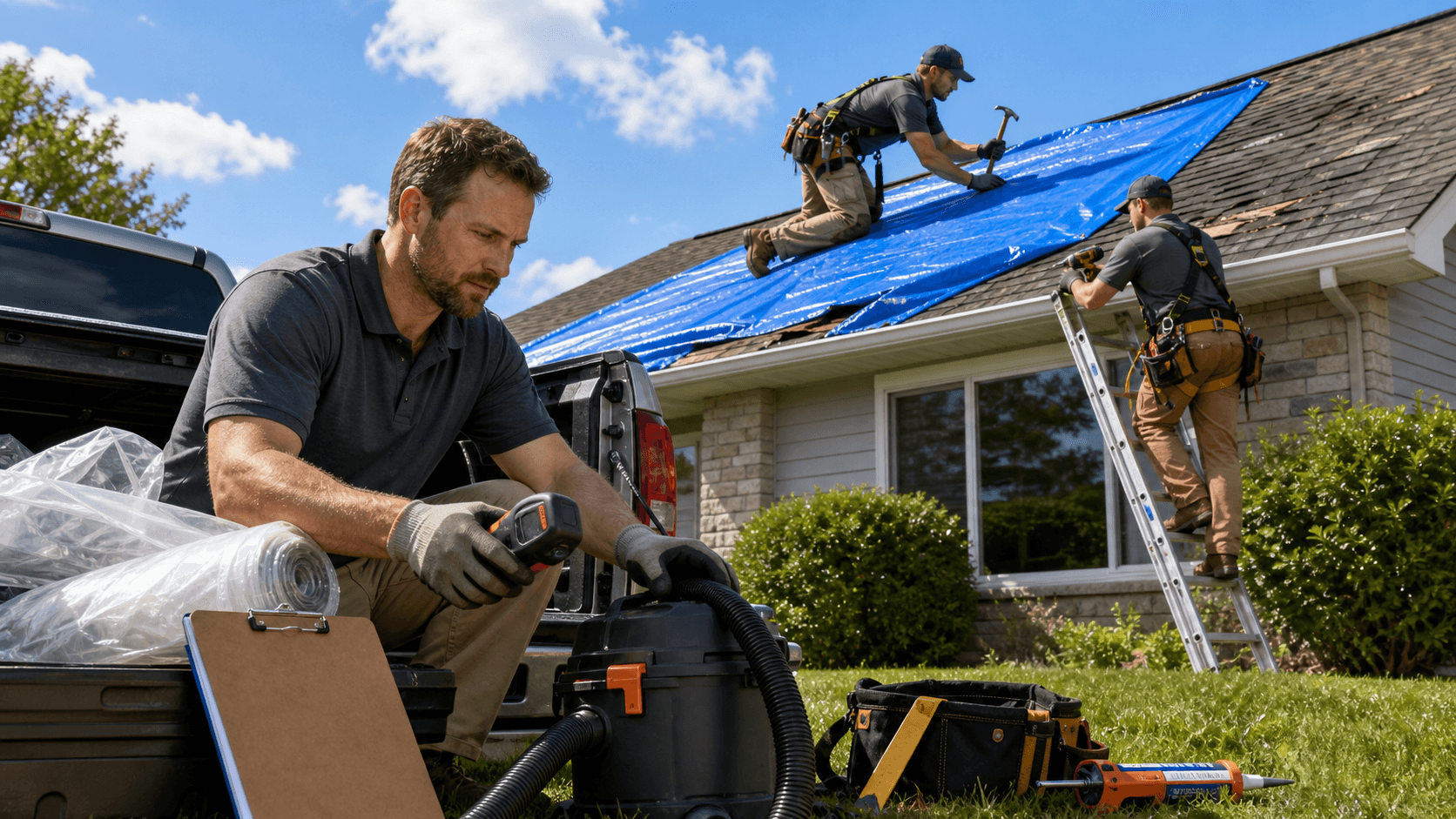
After a big storm, a roof check within 24 to 72 hours can make a big difference for an insurance hail damage roof claim. The event is fresh, damage is easier to link to that single storm, and temporary steps can be taken to protect the building if needed.
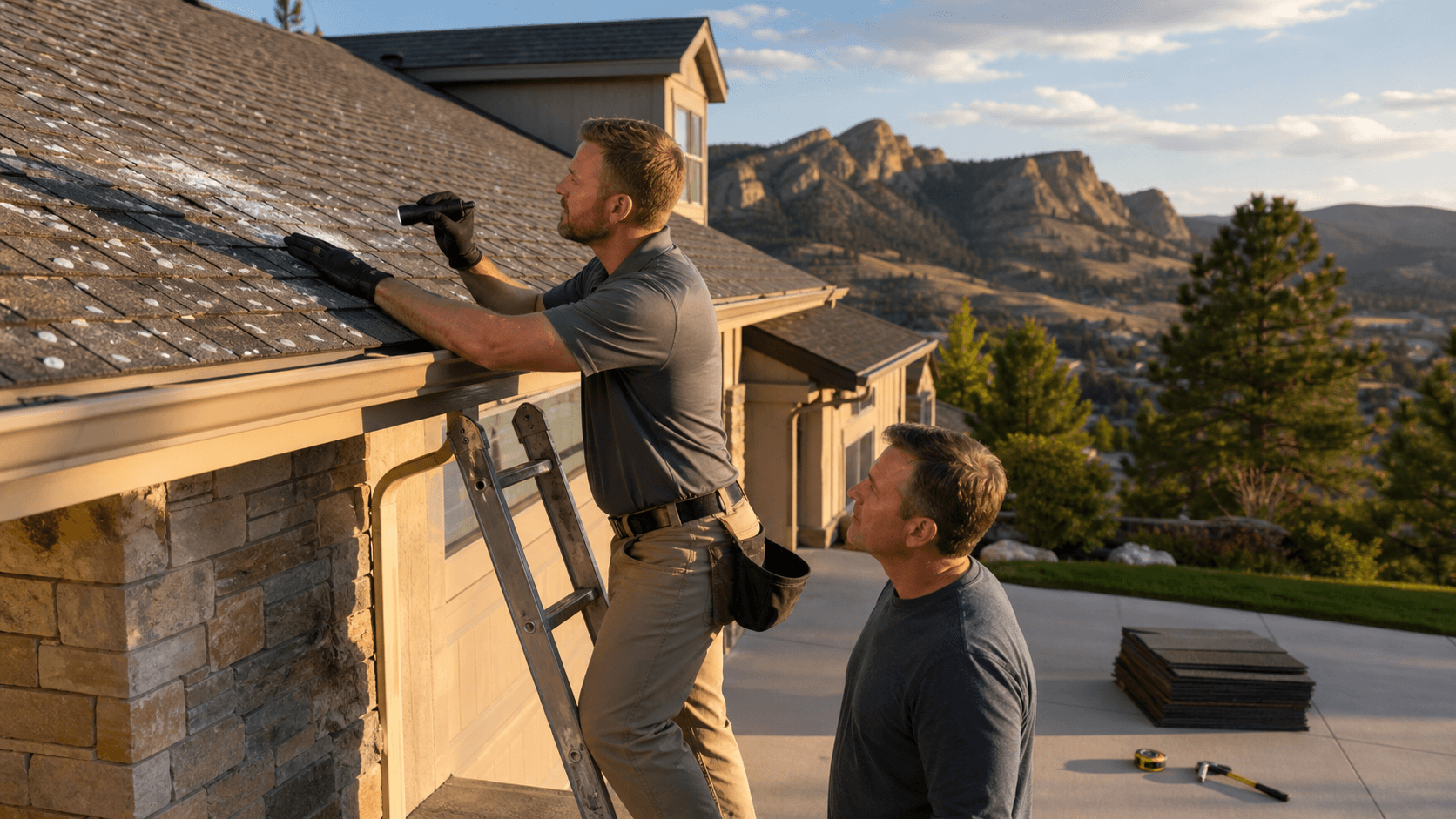
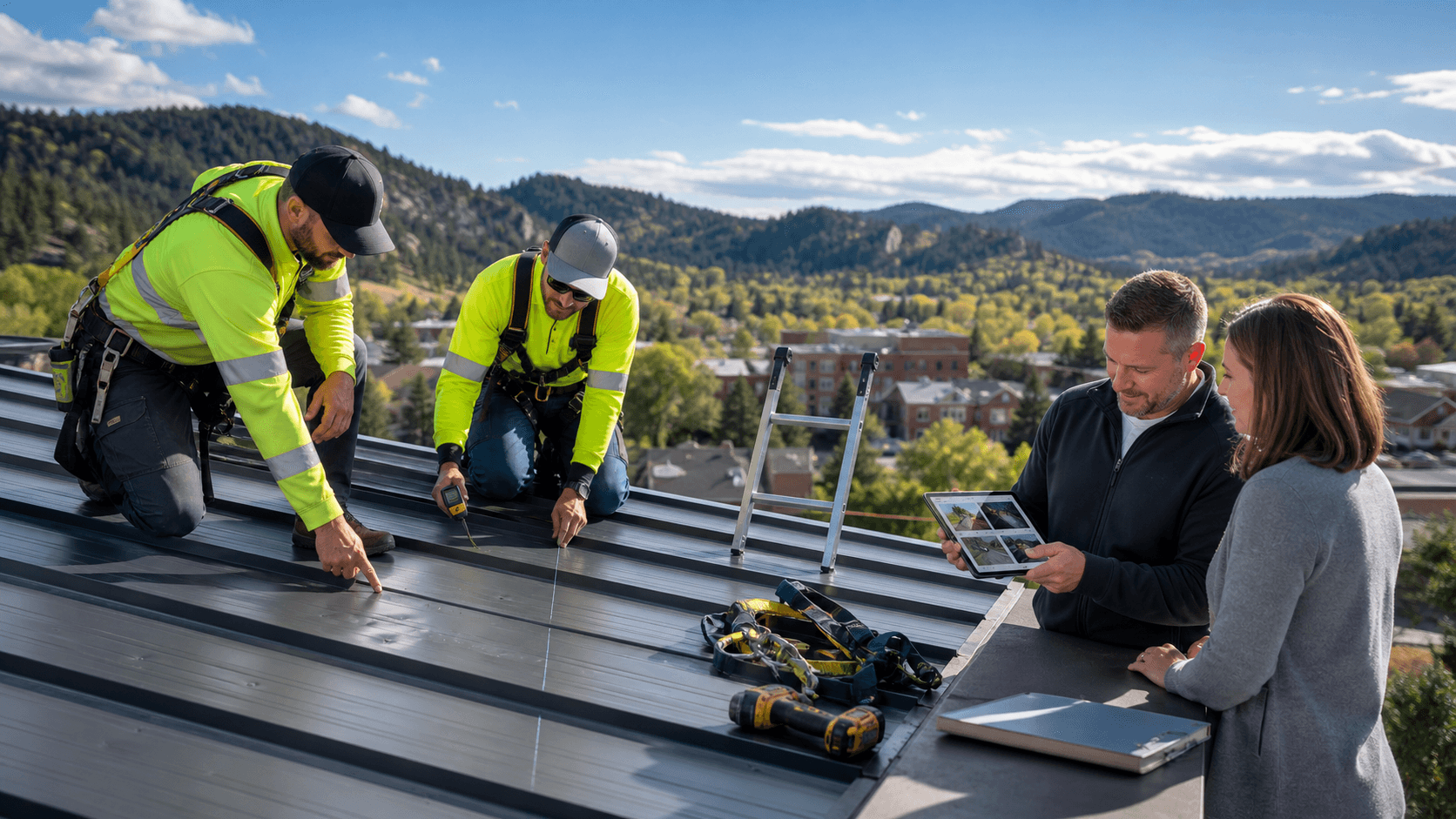
Climbing onto a flat roof might seem simple, but it can be unsafe and easy to miss key problems. At RainTite Roofing & Construction, our inspections include close-up photos, hail impact measurements when needed, and a written condition report that explains what we see and what it means for the long-term health of the roof.
How to Handle Insurance Hail Damage Roof Claims
When hail hits, it helps to follow a clear, step-by-step process. That way, nothing slips through the cracks and your claim has strong support from the start.
A typical path looks like this:
- Note the date and time of the storm and keep any local weather alerts
- Arrange a professional roof inspection as soon as it is safe
- Use the inspection findings and photos to file the insurance claim promptly
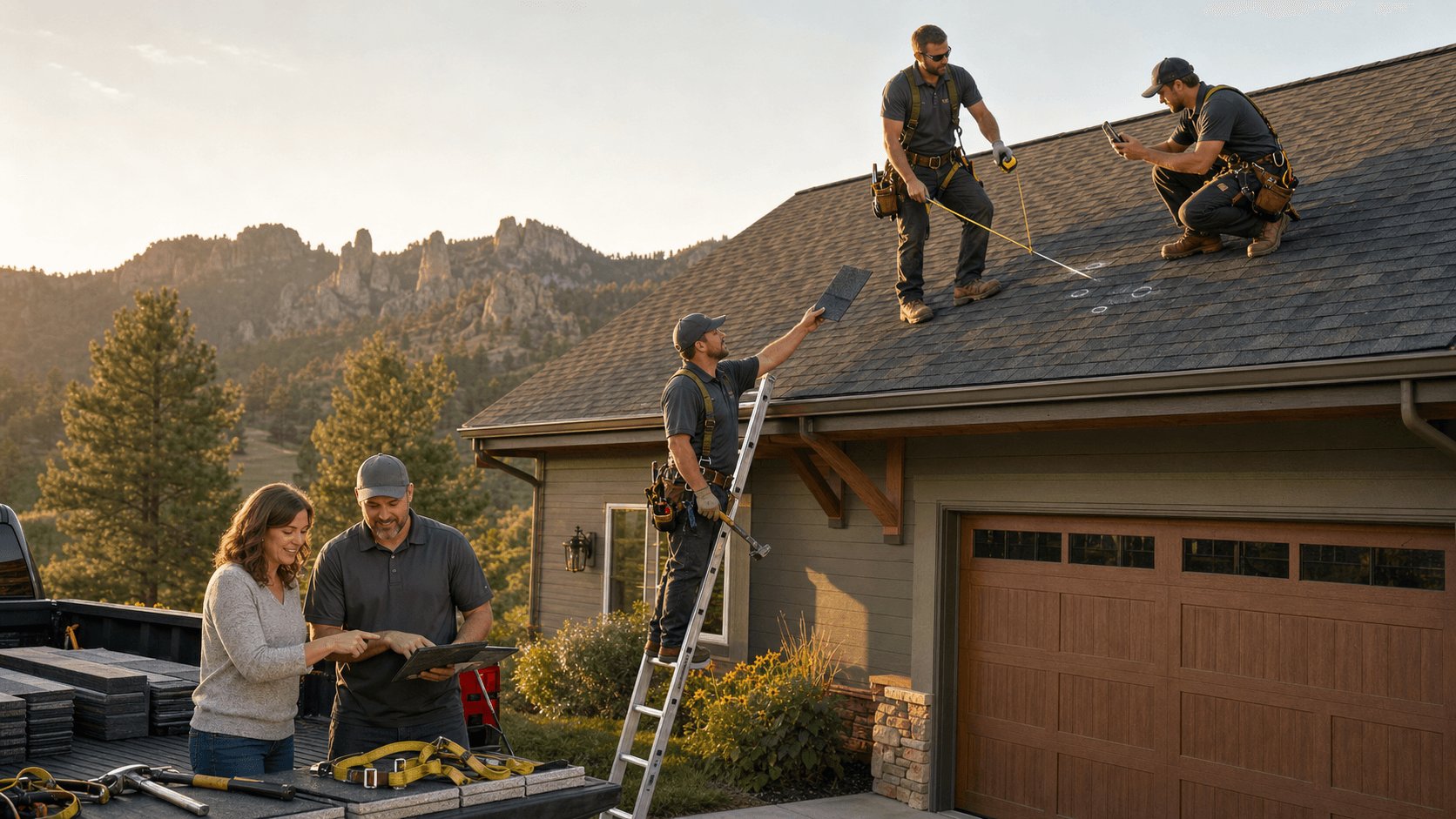
- Meet the insurance adjuster on-site with your roofing contractor present
Having a contractor who understands insurance hail damage roof claims can make a big difference during the adjuster visit. They can point out damage that might be easy to overlook and help explain why certain areas or components must be included in the scope of work. This can cover the main roof surface plus flashings, edge metal, penetrations, gutters, and any affected siding or windows nearby.
Common claim problems we see in South Dakota include:
- Waiting too long to report the loss, which can make it harder to connect damage to a single storm
- Not having clear, detailed photos of the roof before and after the event
- Accepting a quick, low settlement that only addresses the most obvious issues
A flat metal roof should be restored with long-term performance in mind, not just patched wherever it happens to be leaking today. That is why having experienced support through the entire claim process matters so much.
Repair, Restore, or Replace Your Flat Metal Roof
Once the claim is approved, the next step is deciding what kind of work your roof really needs. Not every hail event means a full replacement. Many roofs can be successfully repaired and restored if the damage is limited and the underlying structure is still sound.
Common post-hail solutions include:
- Replacing damaged metal panels in heavily dented or punctured areas
- Tightening, resealing, or reworking seams and fasteners
- Applying protective coatings over metal to address widespread surface damage
- Full replacement when dents, punctures, or structural issues are widespread
During this process, current building codes and standards also come into play. Some projects may require code upgrades that can affect insulation levels, edge details, or drainage layouts. When this happens, those upgrades can sometimes be part of the insurance-based scope when they are required to bring the roof up to present code.
At RainTite Roofing & Construction, we look at:
- The age of the metal roof
- Any past leak history or problem areas
- The pattern and severity of the hail damage
- The scope approved by the insurer
From there, we help property owners weigh repair versus replacement, always with an eye on how the roof will perform in future storms and through our local freeze-thaw cycles.
Partner with a Local Hail Damage Expert You Can Trust
Flat metal roofs work hard in our area, facing hail, snow, sun, and strong wind. A little planning goes a long way. Many owners choose a proactive hail-readiness inspection before the stormy season, so they understand the current condition of their roof and have a baseline record if a claim is needed later.
Working with a local, licensed roofing and construction team that understands Rapid City and Black Hills weather patterns, common building styles, and typical insurance practices can greatly reduce stress and out-of-pocket surprises. At RainTite Roofing & Construction, we focus on clear communication, careful documentation, and repair or replacement plans tailored to each specific flat metal roof and building.
Protect Your Home With Expert Storm Damage Repair Today
If your roof has taken a hit from hail, we can inspect, document, and repair the damage so your claim goes smoothly and your home stays protected. Our team at RainTite Roofing & Construction specializes in insurance hail damage roof projects and will walk you through every step from inspection to final cleanup. Reach out through our contact page to schedule your inspection and get your roof back in top shape.