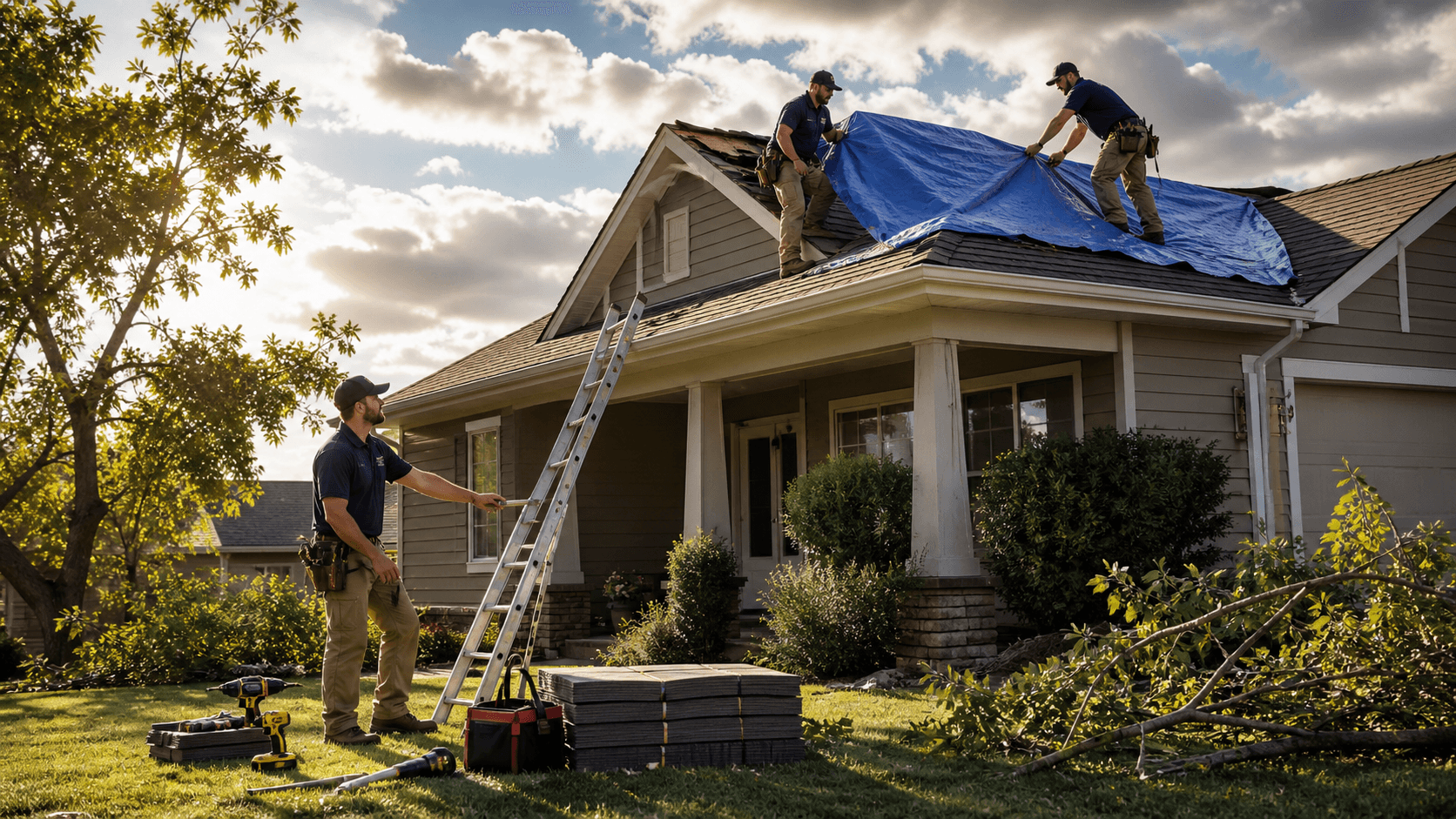
Flat metal roofs take a beating in Rapid City hailstorms. When ice is falling hard out of the sky, wide, flat metal panels and rooftop equipment can turn into a big target. If you own a home or building with a flat metal roof, understanding how hail really affects it can help you catch problems early, avoid bigger damage, and get fair treatment from your insurance company.
In this article, we will walk through what hail does to flat metal roofs, how to spot trouble before winter, what to know about insurance claims, and common repair options. Our goal is to give you clear, simple information so you can protect your building before snow, ice, and freeze-thaw cycles make everything worse.
How Rapid City Hail Threatens Flat Metal Roofs
Rapid City and the Black Hills see frequent hail during late summer and early fall. Our mix of warm days, cool nights, and fast-changing storms means hail is a regular guest, not a rare surprise. When storms build over the hills and roll over town, they can drop hailstones that hit hard and hit fast.
Flat metal roofs, both residential and commercial, are especially at risk because:
- They present a broad, open surface with nowhere for hail to deflect
- Larger panels can flex, dent, or stress at seams and fasteners
- Roofs often support equipment, vents, and skylights that hail can crack or loosen
By the end of this article, you will understand:
- What different types of flat roof hail damage look like
- How to safely do a first check after a storm
- Why timing matters before winter weather sets in
What Hail Really Does to Flat Metal Roofs
Hail can affect flat metal roofs in several ways, some obvious, some very subtle. Common types of flat roof hail damage include:
- Dents and dings in panels, especially in thin or older metal
- Punctures where hail hits a weak spot or edge
- Seam separation where impact loosens or stresses the joints
- Coating loss or cracking that exposes bare metal
- Damage around fasteners, vents, pipes, and rooftop units
It is helpful to think in terms of cosmetic versus functional damage. Cosmetic damage changes how the roof looks, like shallow dents that do not appear to leak right away. Functional damage affects how the roof performs, such as:
- Open seams that allow water in
- Punctures, cracks, or bent flashing
- Coatings broken enough to start rusting
Even marks that look minor can shorten the roof's life. Metal that is dented can collect water, lose coating protection, or move differently with temperature swings. Some warranties also have strict rules about impact damage, so ignoring it can affect coverage later.
Flat metal systems often have special weak spots, including:
- Low ponding areas where water sits longer after a storm
- Equipment curbs around HVAC or vents, which hail can crack or loosen
- Transitions at parapet walls, edges, and corners where metal is cut and bent
These areas may not fail right away, but they can become the first places you see leaks when fall rain or winter snow arrives.
Spotting Hail Damage Before Winter Sets in
You do not have to climb on the roof to do a helpful first check. In fact, it is better to stay safe on the ground and inside the building and let a professional handle roof access.
After a hailstorm, you can:
- Walk around the property and look up at metal edges and trim
- Check downspouts, gutters, and the ground for metal chips or coating flakes
- Look at fences, vehicles, and outdoor equipment for fresh hail marks as a clue to roof impact
Inside, take a slow look at:
- Ceilings and top-floor walls for new water spots or discoloration
- Around skylights, vents, and chimneys for damp areas
- Any musty smells in top-level rooms or attic spaces
Key warning signs of flat roof hail damage include:
- New leaks or drips that only showed up after a storm
- Rust forming inside dents or at seams
- Loose or lifted seams along the roof edge
- Blistered or peeling coatings on metal surfaces
- Cracked or shattered skylights and roof hatches
- Granule loss on any nearby shingle roofing on the same building
Late summer and early fall are a critical window in Rapid City. There is still enough warmth and daylight to inspect and complete repairs. Once snow, ice, and constant freeze-thaw cycles start, small issues can grow into bigger leaks and structural problems.
Insurance Claims for Flat Roof Hail Damage
If you suspect flat roof hail damage, it helps to be organized from the start. The basic steps usually look like this:
- Write down the date and time of the storm, and any notes about hail size
- Take clear photos from the ground and inside where you see changes
- Save any repair or temporary patch receipts
- Review your policy and contact your insurance company promptly
Flat metal roofs can be tricky during claims because there is often debate about cosmetic versus functional damage. An adjuster might say dents are only cosmetic, while a roofer may see them as the start of coating failure or ponding problems.
That is why a detailed inspection report is so important. A licensed roofing contractor can:
- Carefully inspect the full roof system, not just the open field of metal
- Document dents, punctures, seam issues, coating loss, and related problems
- Provide written findings with photos and clear descriptions
- Meet the adjuster on site to point out areas that are easy to miss
Good documentation helps your insurer understand the real condition of the roof and supports a fair claim result.
Repair Options for Damaged Flat Metal Roofs
Once hail damage is confirmed, there are several repair paths. The right choice depends on roof age, extent of damage, and how the building is used.
Common options include:
- Targeted panel replacement where metal is punctured or badly dented
- Seam and fastener repairs to tighten joints and replace damaged parts
- Elastomeric or similar coatings to seal, protect, and extend roof life
- Full system replacement when damage is widespread or the roof is already near the end of its service life
When deciding between repair and replacement, we look at:
- How old the roof is and how it has been maintained
- Whether damage is scattered or concentrated
- The importance of roof performance to the business or home, like protecting equipment or inventory
For Rapid City's climate, it is also important to choose:
- Materials rated for impact resistance where possible
- Details that promote drainage on flat roofs, even slight slopes to reduce ponding
- Strong, weather-resistant flashings at curbs, parapets, and penetrations
A thoughtful repair plan can help your roof handle both hail and our long, cold winters.
Protecting Your Metal Roof From the Next Hailstorm
You cannot stop hail, but you can prepare your roof. Preventive steps usually cost less and are easier than major repairs after a big storm.
Helpful strategies include:
- Regular maintenance visits to keep seams, fasteners, and coatings in good shape
- Seasonal inspections, especially after strong storms
- Prompt repair of small issues like minor rust, loose flashing, or aging sealant
- Considering impact-resistant assemblies or accessories when upgrading the roof
Proper design on new or replacement flat roofs makes a big difference. This can include:
- Adequate slope to move water off the roof instead of letting it pond
- High-quality fasteners that resist loosening from wind and impact
- Extra protection around rooftop units, skylights, and access hatches
Working with a local contractor who understands Black Hills weather helps ensure the whole system is built and maintained with hail and harsh winters in mind.
Schedule Your Flat Roof Hail Check Before Snow Arrives
As temperatures start to drop in Rapid City, it is smart to know exactly how your flat metal roof handled the recent hail season. Catching dents, punctures, or loose seams now can prevent surprise leaks during the first big snow or spring melt.
RainTite Roofing & Construction is a licensed roofing and construction company based here in Rapid City, serving residential and commercial properties across the Black Hills. When you are ready, gather any recent storm dates, photos, and insurance details, then plan a professional flat roof inspection. A clear damage assessment and repair plan will help protect your home or business through the coming winter and beyond.
Protect Your Flat Roof Investment Before Hail Damage Spreads
If you suspect flat roof hail damage, we can inspect your system, document the issues, and recommend repair or replacement options that fit your building and budget. At RainTite Roofing & Construction, we focus on stopping leaks early so you avoid costly interior damage and business interruptions. Reach out today through our contact page to schedule an on-site evaluation and get a clear plan for your roof.