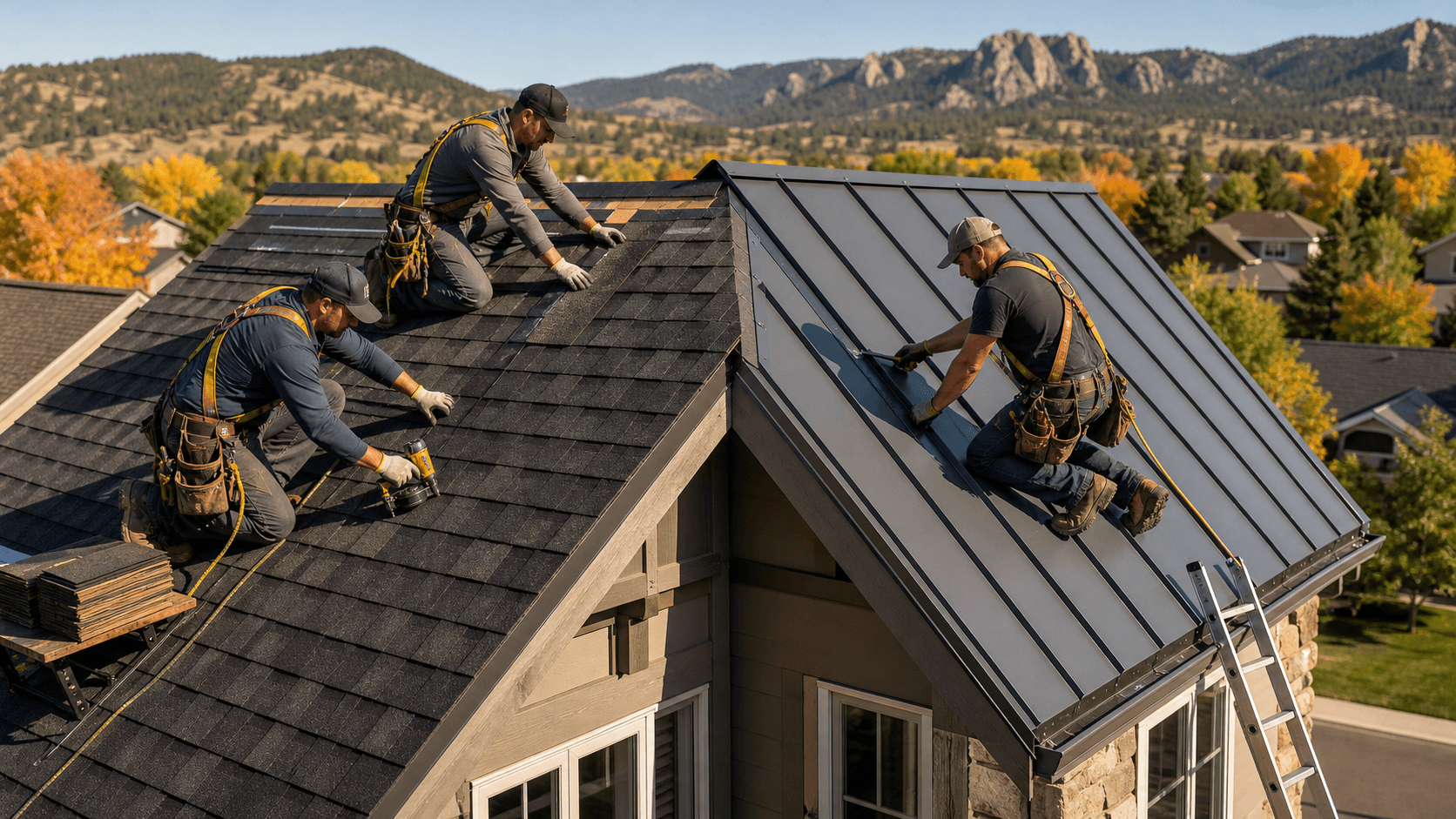
Make Your Roof Summer-Ready Before Storms Hit
Strong sun, fast storms, and hail are part of life in the Black Hills. Your roof takes the hit first, whether you own a home in Rapid City or manage a commercial building in a nearby town. When the weather changes in minutes, a small problem on the roof can quickly turn into a leak inside.
Roof preventive maintenance is one of the simplest ways to avoid that stress. When you plan a few smart checks before late summer and early fall storms roll through, you help your roof last longer and stay tighter. In this guide, we walk through practical steps any property owner can follow, plus what a professional inspection adds, so your roof is ready before winter freeze-thaw cycles start working on every weak spot.
How Black Hills Summers Stress Your Roof
Our local weather is hard on roofing systems. We sit at higher elevation, so summer sun and UV feel more intense. Shingles heat up, cool down, and heat up again, sometimes in the same day. That constant movement makes roofing materials expand and contract, which slowly wears them out.
On top of that, we often see:
- Sudden hailstorms that hit shingles, metal, and skylights
- Wind-driven rain that pushes water under shingles and flashings
- Heavy downpours that test every gutter, valley, and seam
- Temperature swings from hot days to cool nights
Over time, these conditions can:
- Age shingles faster, drying them out and causing them to curl
- Knock off protective granules so shingles lose their top layer
- Crack sealants around vents, chimneys, and skylights
- Loosen fasteners on both shingle and metal roofs
- Stress flashings where walls, valleys, and roof planes meet
When this happens, common problems start to show up, often in late summer and fall. You might notice bare spots where granules have washed away, curled or lifted shingles, or areas where the roof looks a bit wavy. Under the surface, roof decking can start to soften as it takes on moisture. Small leaks may drip into insulation or wall cavities and stay hidden until winter snow and ice make them worse.
This is why planning roof preventive maintenance before the cold sets in matters so much in our area. You want to catch and correct damage from summer storms before freeze-thaw cycles crack things open even more.
Roof Preventive Maintenance Essentials You Can See
You do not have to climb on the roof to spot many warning signs. In fact, we recommend you stay safely on the ground and do a simple visual check from there. Walk around your home or building and look up at the roof from different angles.
From the ground, pay attention to:
- Missing, cracked, or curled shingles
- Dark or shiny patches that look different from the rest of the roof
- Sagging areas or dips along ridges or in the middle of roof planes
- Bent, rusted, or loose-looking metal flashings around chimneys and walls
- Loose or damaged pipe boots and vents
There are also basic tasks that play a big role in roof preventive maintenance:
- Clean gutters and downspouts so water can move away fast
- Make sure downspouts are flowing, not spilling over the top
- Remove leaves, pine needles, and branches from roof valleys
- Trim tree branches that touch or hang close to the roof
- From outside, confirm attic vents are open and not blocked by debris or nests
Good documentation makes all of this more useful. After any big hail or wind event, take dated photos from the ground. Keep a simple seasonal checklist, and write down what you see. Watch for:
- Extra granules in the gutters or at downspout outlets
- Areas where shingle color looks faded, bare, or bruised
- New water stains on ceilings or walls inside the building
These notes give a roofing contractor a head start when they come out to inspect and help you decide next steps.
Professional Inspections That Catch Hidden Damage
There is a lot going on with your roof that you cannot see from the yard. This is where a licensed roofing contractor comes in. A professional inspection looks past the surface and checks all the pieces that keep water out.
During a roof preventive maintenance visit, a contractor can:
- Walk the roof to feel for soft or spongy decking
- Check underlayment exposure in problem areas
- Examine flashings at chimneys, sidewalls, skylights, and valleys
- Look closely at sealants, fasteners, and overlaps
- Inspect roof transitions, such as low-slope sections or porch tie-ins
Late summer through early fall is a smart time for this kind of inspection in the Black Hills. The roof has already gone through the toughest summer storms, and there is still a weather window to handle repairs before snow sticks. This timing helps catch hail bruising, small punctures, and early leaks while they are still simple to fix.
Professional documentation also matters. When a roofer notes damage, takes photos, and writes a clear report, it can support insurance claims after severe weather. It also helps you plan ahead so you are not surprised by a sudden replacement when the roof reaches the end of its service life.
Smart Upgrades to Boost Summer Protection
Roof preventive maintenance is not only about fixing problems, but it can also mean choosing smarter materials when work is needed. If your roof is nearing replacement, or sections are being repaired, there are upgrades that work well in our climate.
Examples include:
- Impact-resistant shingles to better handle hail
- Higher-quality underlayment for better water protection
- Extra flashing around chimneys, skylights, valleys, and sidewalls
- Improved pipe boots and sealants designed for UV exposure
Ventilation and attic insulation also play a big part in how long a roof lasts. When heat builds up in the attic, it can bake shingles from the inside and raise cooling costs on hot days. Balanced intake and exhaust ventilation helps move hot air out. Proper insulation helps keep temperatures more stable so roofing materials are not overheated.
When you plan roofing work, it can be a good time to think about siding and windows as well. Older siding and windows can let in heat, cold, and moisture. Updating them along with key roofing areas can create a tighter, more energy-efficient building that stands up better to Black Hills weather year-round.
Your Late-Summer Roof Checklist for Rapid City Homes
To pull all of this together, here is a simple late-summer and early fall checklist you can follow:
- Clear gutters and make sure downspouts are flowing freely
- Check the ground at downspout ends for shingle granules
- Trim trees back so branches are not rubbing the roof
- Look over shingles and flashings from the ground
- Inspect the attic for signs of moisture, moldy smells, or daylight through the roof
- Look inside for new ceiling or wall stains, peeling paint, or bubbling drywall
The ideal timing for this checklist in our area is from late August through October. This gives enough time to spot issues, schedule professional help, and complete repairs before winter storms and ice dams test your roof.
If your roof is older, has been through multiple hailstorms, or shows any of the warning signs listed, it is smart to have a licensed local roofer perform a full inspection. That way you go into winter knowing where you stand, instead of waiting for a surprise leak during a snowstorm.
Schedule Your Black Hills Roof Check Before Winter
Consistent roof preventive maintenance is one of the best gifts you can give your home or business. It lowers the chance of emergency repairs, helps your roof last longer, and protects everything inside from sudden leaks. A little planning in late summer and early fall can save a lot of stress later on.
At RainTite Roofing & Construction, we work on residential and commercial roofs across Rapid City and the Black Hills, so we see every kind of summer damage our weather can cause. When you are ready for a fall roof assessment or want to talk about smart upgrades for better protection, we are here to help you get your roof ready for whatever the next season brings.
Get Started With Your Project Today
If you are ready to extend the life of your roof and avoid expensive surprises, RainTite Roofing & Construction is here to help. Start by exploring our practical tips for roof preventive maintenance so you know what to look for between professional visits. Then reach out so we can assess your roof's current condition and recommend the right maintenance plan for your home. To schedule an inspection or request an estimate, simply contact us today.