Stop Winter Damage Before It Starts
Roof preventive maintenance before fall hits hard in Rapid City is not about making your roof look pretty. It is about keeping water out, protecting the structure under your shingles, and avoiding stressful emergency repairs in the middle of a storm. When cold nights, early snow, and freeze-thaw swings show up, any weak spot in your roof usually gets worse fast.
Fall is the last, best-window to spot and fix small issues before winter winds, drifting snow, and heavy Black Hills snow loads test every part of your roof. A simple loose shingle or small crack in flashing can turn into a leak, soaked insulation, or interior damage once snow and ice sit on your roof for days at a time. Catching problems now gives you options instead of surprises.
At RainTite Roofing & Construction, we work on roofs, siding, and windows across Rapid City and the Black Hills, so we see how local weather and building styles affect each home or business. In this post, we will go over what to look for, which warning signs matter most, what is safe to view from the ground, and when it is smarter to let a licensed roofing contractor step in.
Why Fall Is Prime Time for Roof Preventive Maintenance
Rapid City fall weather usually gives you a sweet spot for roof preventive maintenance. Temperatures are cooler but not icy, there are fewer severe storms than in summer, and wind is often more predictable. That makes it easier to plan inspections and repairs around stable, dry days.
The big enemy this time of year is the freeze-thaw cycle. Here is what happens:
- A tiny gap opens under a shingle or along flashing
- Moisture gets in during a warm afternoon rain or wet snow
- Temperatures drop at night, and that water freezes and expands
- The gap grows, and each new cycle pushes materials apart a little more
By the time winter settles in, what started as a small opening can become a clear path for melted snow to sneak under shingles or behind siding. That is how leaks, ice dam issues, and gutter problems begin.
Doing roof preventive maintenance in fall also gives you time to:
- Order any needed materials before snow and ice make work harder
- Get on a contractor's schedule before winter storms tighten openings
- Document the condition of your roof ahead of hail or heavy snow events
Many roof material manufacturers and some insurers like to see that an owner has taken reasonable care of the roof. Having notes or photos of fall maintenance can help if questions come up about future damage.
Spotting Trouble on Your Roof Before the First Snow
You can learn a lot about the health of your roof without ever leaving the ground. With careful viewing from your yard or parking lot, you might notice:
- Shingles that are curling, cracked, broken, or missing
- Bald spots where protective granules have worn off
- Dark streaks or patches that could point to algae or moisture issues
- Shingles that look lifted at the edges, often due to wind or failing nails
Pay special attention to areas where leaks like to start. From the ground, look closely at:
- Flashing around chimneys, skylights, and roof vents
- Roof valleys, where two roof planes meet and channel lots of water
- Ridges and transitions where angles change, such as where a lower roof meets a wall
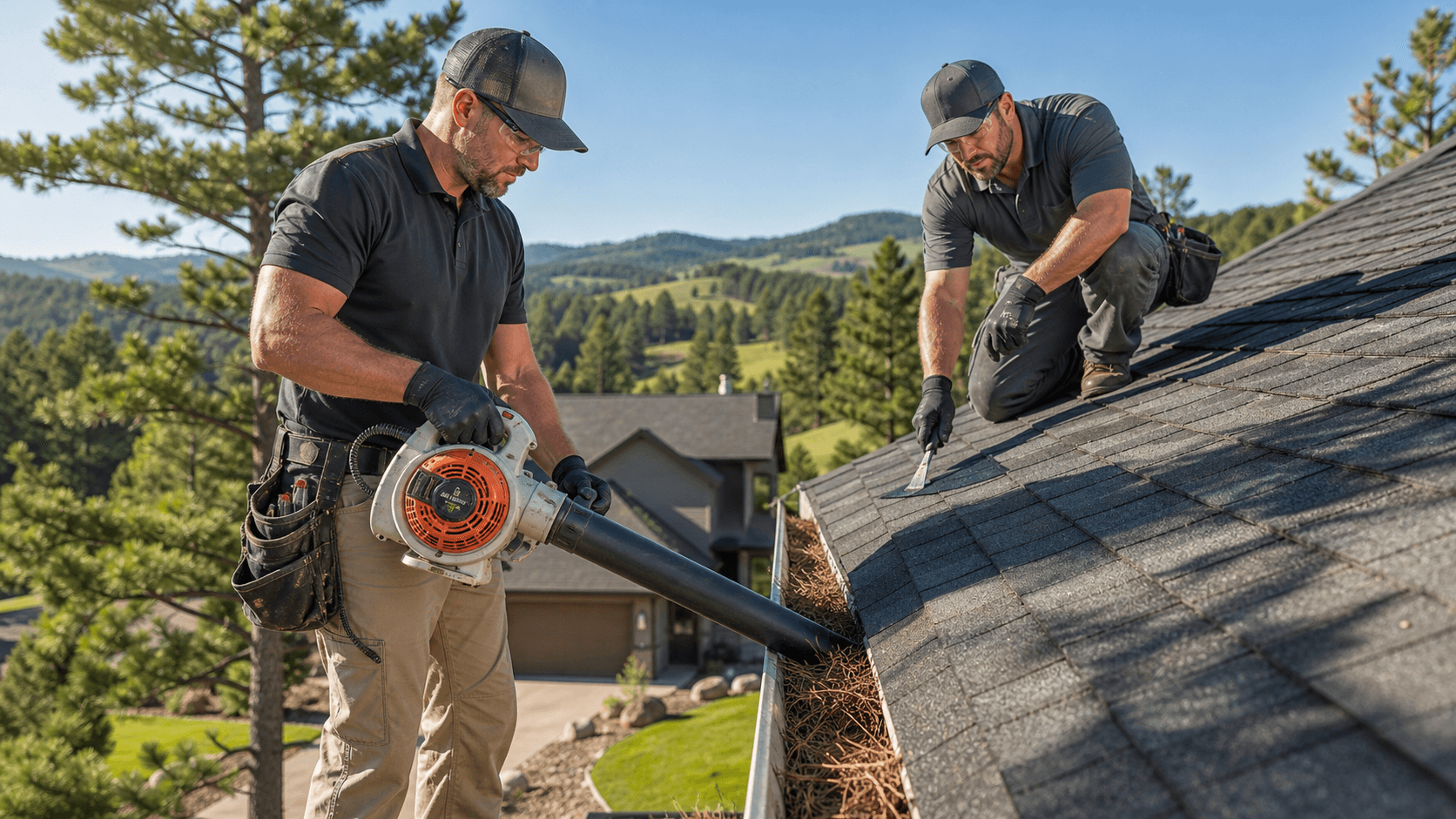
Gutters and downspouts are a big part of roof preventive maintenance too. When they are full of leaves or pine needles, water backs up along the roof edge instead of flowing away. That can lead to:
- Rot in fascia boards and soffits
- Water creeping under the first row of shingles
- Poor drainage near the foundation or walkways
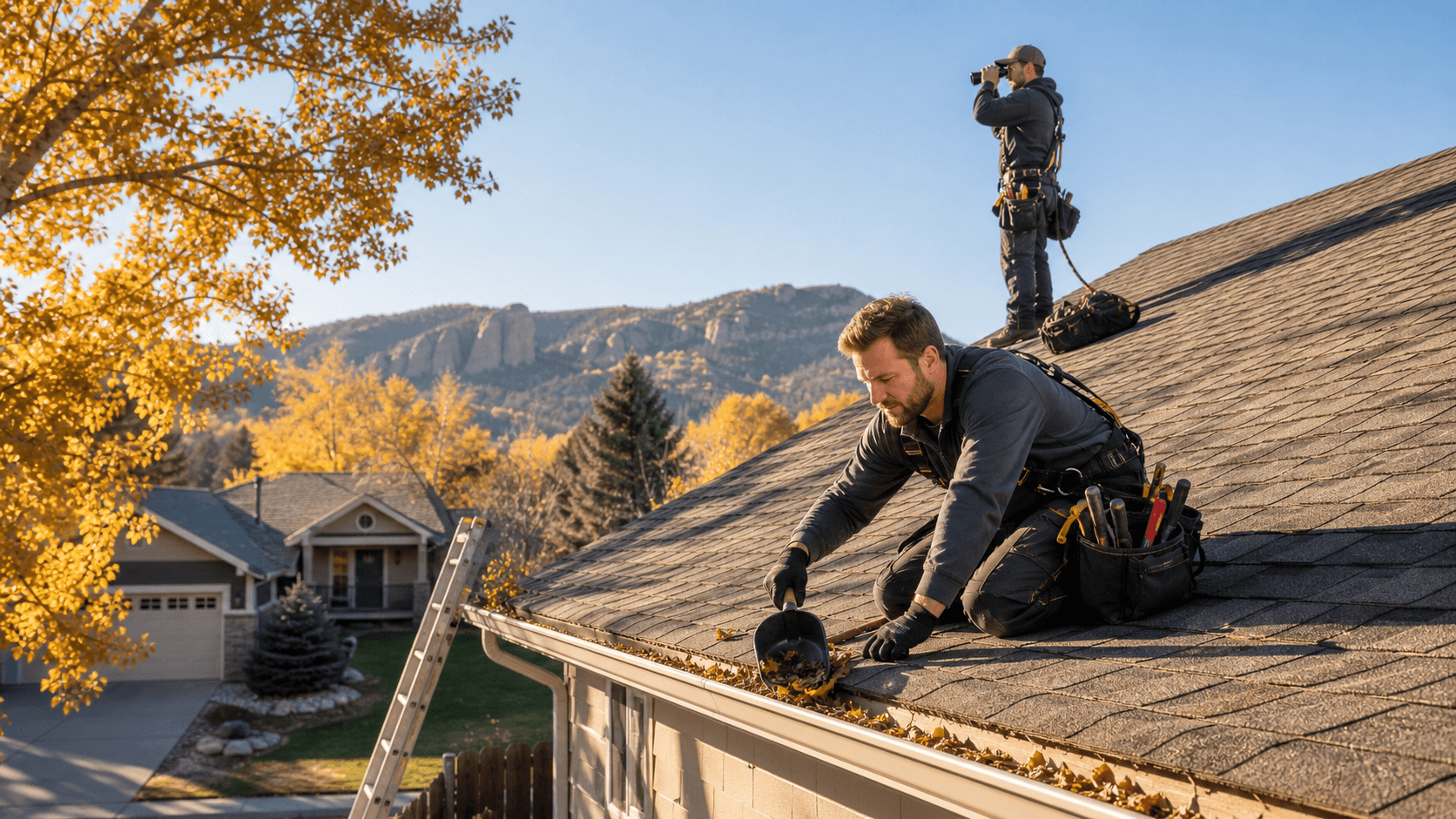
We always want owners to stay safe. Ground-level checks with your eyes, a camera, or binoculars are one thing. Climbing ladders, walking steep slopes, or working near power lines is where a licensed roofing professional is the better choice.
Preventive Maintenance Checklist for Rapid City Roofs
When we look at roofs in Rapid City and around the Black Hills in fall, we focus on a few local problem areas. A fall-focused roof preventive maintenance checklist often includes:
- Clearing leaves, twigs, and pine needles from roof valleys and gutters
- Looking for hail bruising or small impact marks from summer storms
- Checking for shingles that wind has lifted, creased, or shifted out of line
- Making sure downspouts are open and directing water away from the building
The inside of your home or business can tell part of the story too. A good roof check includes a look at the attic and ceilings:
- Stains or discoloration on ceilings or along upper walls
- Damp or matted insulation in the attic
- Daylight shining in around vents, chimneys, or other roof openings
- Musty or earthy odors that could mean long-term moisture
On the roof surface, sealing and detail work are key. Before winter hits, it often makes sense to:
- Refresh caulking around roof penetrations where it has cracked
- Repair minor flashing problems while they are still small
- Replace vent boots that are split, brittle, or pulled loose
For commercial buildings with low-slope or flat roofs, fall roof preventive maintenance has its own list:
- Checking for ponding water that lingers after rain
- Looking for membrane blisters, cuts, or open seams
- Clearing rooftop drains, scuppers, and gutters of debris
- Inspecting around rooftop HVAC units and other equipment stands
When a Quick Fix Is Not Enough
Not every problem can be solved with a quick patch. Some warning signs tell us a roof may be nearing the end of its service life. These can include:
- Widespread granule loss across large areas of shingles
- Sagging spots or soft areas that hint at deck issues
- A history of repeated leaks in different seasons
- Ongoing ice dam problems at the same edges year after year
A professional roof inspection goes deeper than what you can see from the ground. It can uncover:
- Structural concerns that need attention before snow loads arrive
- Rot or moisture damage in the roof deck or framing
- Hidden hail damage that may qualify for insurance review if found in time
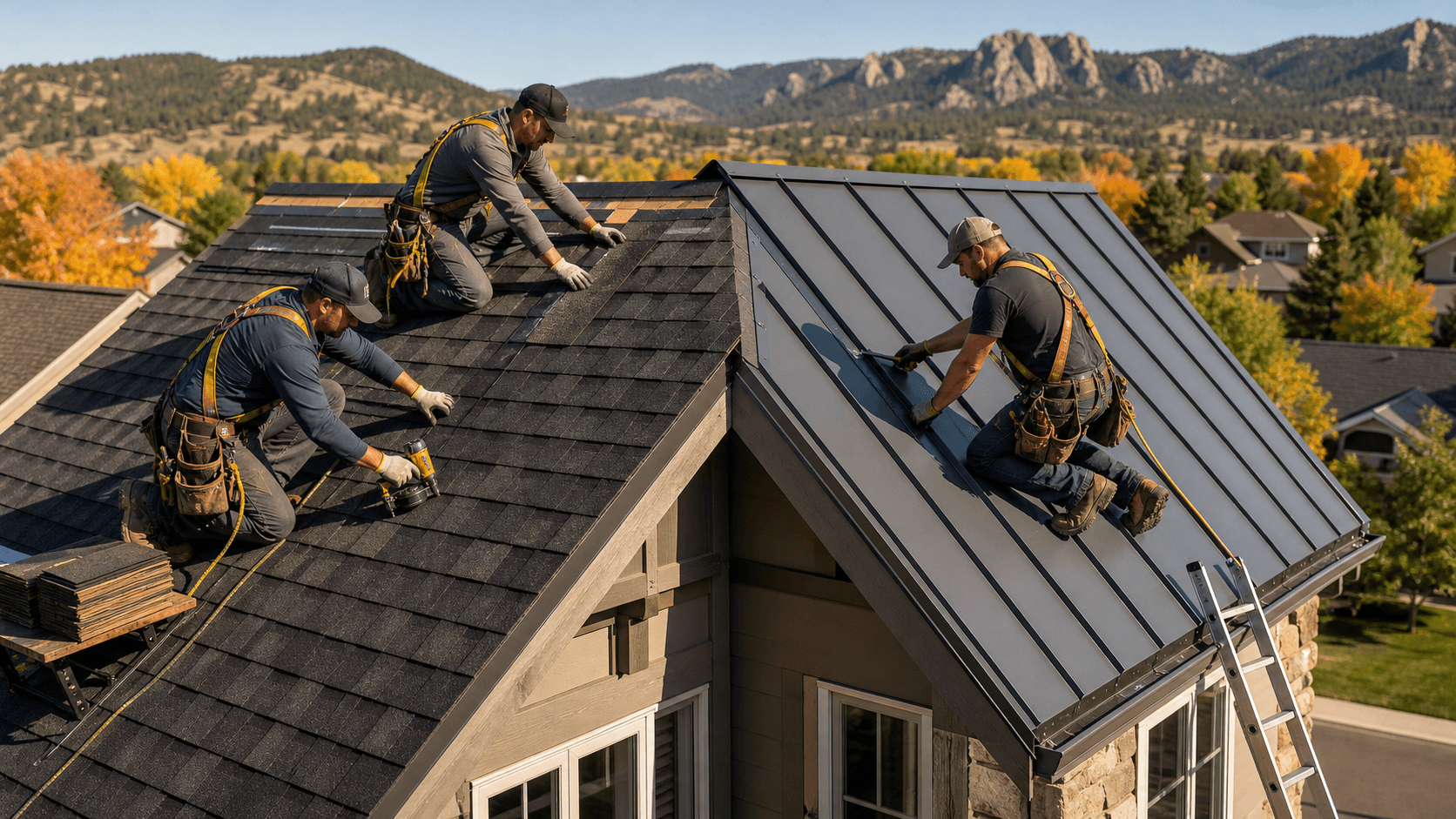
Working with a licensed and insured roofing contractor in Rapid City and the Black Hills area helps make sure your roof meets local building codes and snow load expectations. Proper ventilation and correct installation details are important for year-round performance, not just how the roof looks on day one.
At RainTite Roofing & Construction, we focus on honest assessments. Sometimes the right call is a targeted repair that gets your roof through many more seasons. Other times, a planned replacement before winter offers better protection and fewer surprises.
Schedule Your Roof Check Before the First Hard Freeze
Once the first hard freeze or heavy snow rolls in, the window for easy maintenance gets much smaller. Contractors have fewer clear days to work, and simple repairs that were safe in fall may become slower or require temporary winter measures.
Many property owners like to pair roof preventive maintenance with a quick look at siding, windows, and gutters. Thinking about the entire exterior shell of your home or business at one time gives you a clearer picture of overall protection and comfort for the colder months.
Taking care of your roof before winter sets in can pay off in a drier, safer season inside. It lowers the chance of surprise leaks, emergency calls in bad weather, and slow moisture problems that show up later as stains, drafts, or mold. With the right fall roof preventive maintenance, your roof can last longer and keep everything underneath better protected.
Protect Your Home With Proactive Roof Care Today
If you are ready to extend the life of your roof and avoid costly surprises, our experts at RainTite Roofing & Construction are here to help you put a solid roof preventive maintenance plan in place. We will inspect, maintain, and address small issues before they turn into major repairs. Reach out today to discuss your roof's current condition and schedule a convenient appointment through our contact page.