Know What Summer Hail Does to Rapid City Roofs
Summer hail in Rapid City and across the Black Hills does not have to last long to be rough on a roof. Storms can roll in fast with strong wind, large hailstones, and sharp temperature swings. That mix can bruise asphalt shingles, dent metal panels, and loosen flashing around chimneys, vents, and skylights.
From the ground, the roof may still look fine. Hail damage often hides in small dents, hairline cracks, or missing granules that are hard to see without getting close. Left alone, these small marks can turn into leaks, damaged roof decking, or a roof that wears out years sooner than it should. A roof inspection after a hailstorm helps stop those problems early.
Instead of guessing, it helps to walk through a simple set of questions. By asking the right questions about what you can see inside and outside your property, you can decide if it is time to bring in a licensed local contractor in Rapid City for a full inspection and clear next steps.
Start From the Ground: Questions for a Safe Visual Check
The first question is about safety: Can you see signs of hail damage without climbing on the roof? For most homeowners and property managers, the answer should be yes. Staying on the ground and using binoculars or a phone camera with zoom is the safest way to start. Professional roofing teams are trained and insured to walk on roofs, so it is better to let them handle the risky part.
As you look from the ground, ask yourself:
- Do I see missing or cracked shingles?
- Are there dark spots or bruises on the shingles?
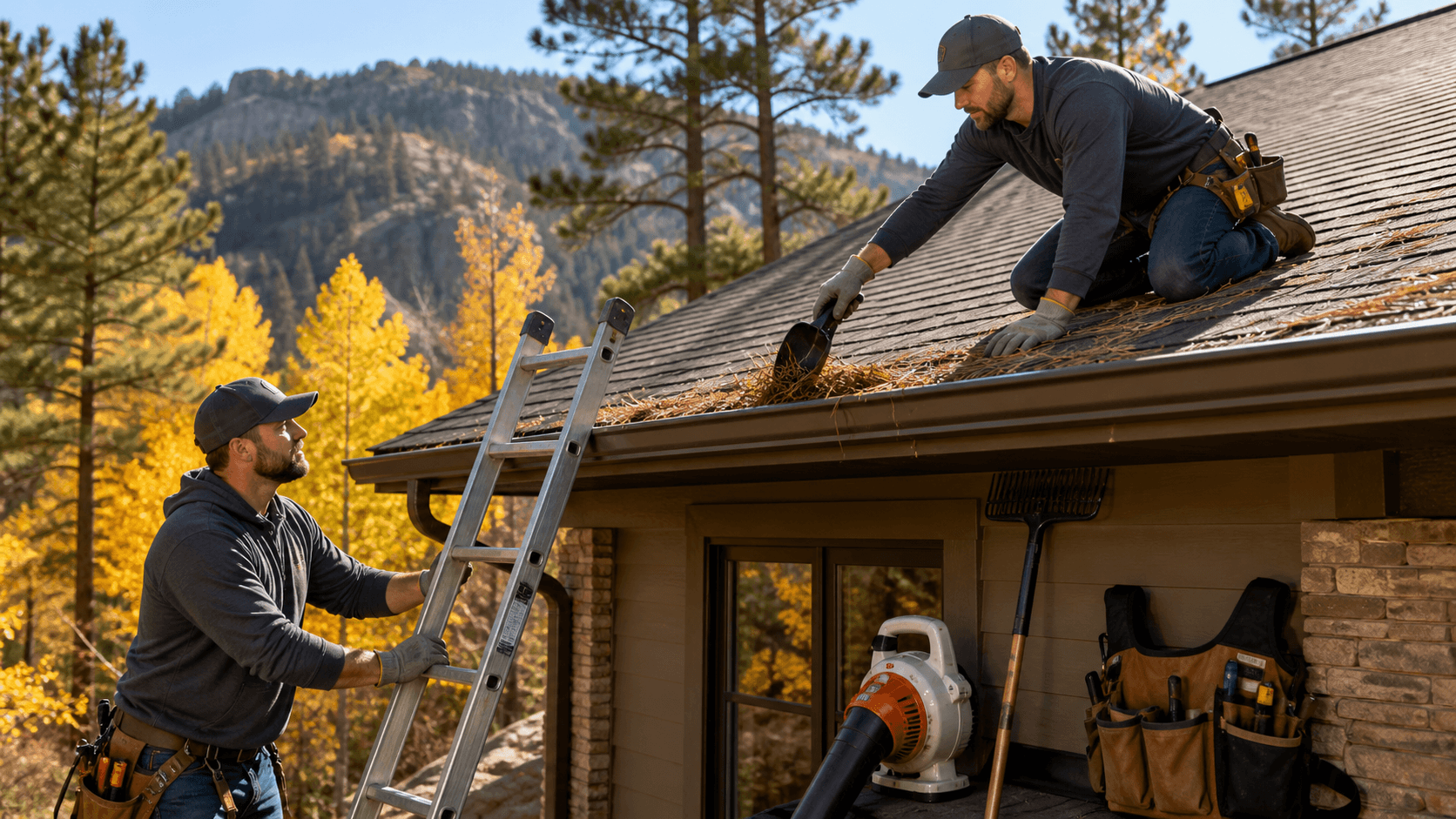
- Is there granule buildup in my gutters or at downspout exits?
- Do any shingles look crooked or lifted at the edges?
Missing or cracked shingles can leave bare spots where water can get in. Dark spots or bruises may be places where hailstones hit hard enough to break the shingle surface. Extra granules in gutters or at the bottom of downspouts often mean the top layer of shingles was knocked loose by hail.
Next, look around the rest of your exterior. Ask:
- Are my gutters, downspouts, or metal fascia dented?
- Are window screens torn or pitted?
- Are siding panels cracked or chipped?
- Do metal roof vents look bent or dinged?
If softer items like window screens or aluminum gutters show clear signs of hail, there is a good chance the roof took similar, or even heavier, hits. That is a strong sign that a roof inspection after a hailstorm is a smart move.
Inspect Indoors: Questions Your Attic and Ceilings Answer
Hail damage often shows inside the home before you notice anything on the roof itself. Start with the ceilings and upper walls and ask: Do I notice new water stains that were not there before the storm? Do any older stains grow larger, get darker, or start to peel paint?
Those stains can point to:
- Shingles that were cracked or bruised by hail
- Flashing around chimneys or vents that was loosened
- Underlayment that was torn or shifted during a storm
Next, check the attic if it is safe to enter. Turn on a light and look carefully. Ask:
- Do I see damp or clumped insulation?
- Is any roof decking darkened, warped, or soft?
- Can I see tiny spots of daylight peeking through roof boards or around vents?
- Does it smell musty or damp when it did not before?
Some hail damage does not leak right away. It may only show up after the next good rain when water finds a new path through a small crack or nail hole. That is why it is helpful to recheck the attic after the first storm that follows the hail. A timely inspection can catch these small breaches before they soak insulation, feed mold growth, or weaken structural lumber, especially with Rapid Cities' changing fall weather after summer storms.
Spot the Subtle Signs: Questions About Shingles and Roof Age
Not all hail damage looks dramatic. Many times, the question is more about the general health of your roof. Start simple: How old is my roof? Has it already been through multiple hail seasons?
Older asphalt shingles are more brittle and less flexible. If your roof has seen several summers of hail and strong sun, it may not bounce back as well from the latest storm. That is when subtle changes matter. Ask yourself:
- Do my shingles look bald or patchy from lost granules?
- Are there soft spots or bruises that feel spongy when lightly pressed by a pro?
- Do I notice curled edges or new cracking when I look with binoculars?
- Does the roof color look uneven in certain areas after the storm?
Lost granules leave the asphalt underneath exposed to UV rays, which can speed up aging. Bruises and soft spots are areas where hail hits that broke the bond inside the shingle. Curled edges and new cracking can let water and wind reach deeper layers. Even if you do not see an active leak, these signs can shorten roof life.
In our area, sun, wind, and freeze-thaw cycles after summer storms are tough on weakened shingles. A minor bruise in August can turn into a real problem once cooler nights and fall storms arrive. This is why a professional roof inspection after a hailstorm is smart preventive maintenance, not just a reaction to a big leak.
Decide Your Next Step: Questions to Ask a Roofing Pro
After you check inside and out, it is time to decide what to do with what you found. Ask yourself:
- Is the damage I see widespread or just in one small area?
- Do I have clear photos and notes of what I am seeing?
- Is my roof still under a manufacturer or workmanship warranty?
- Have there been past insurance claims on this roof for hail or wind?
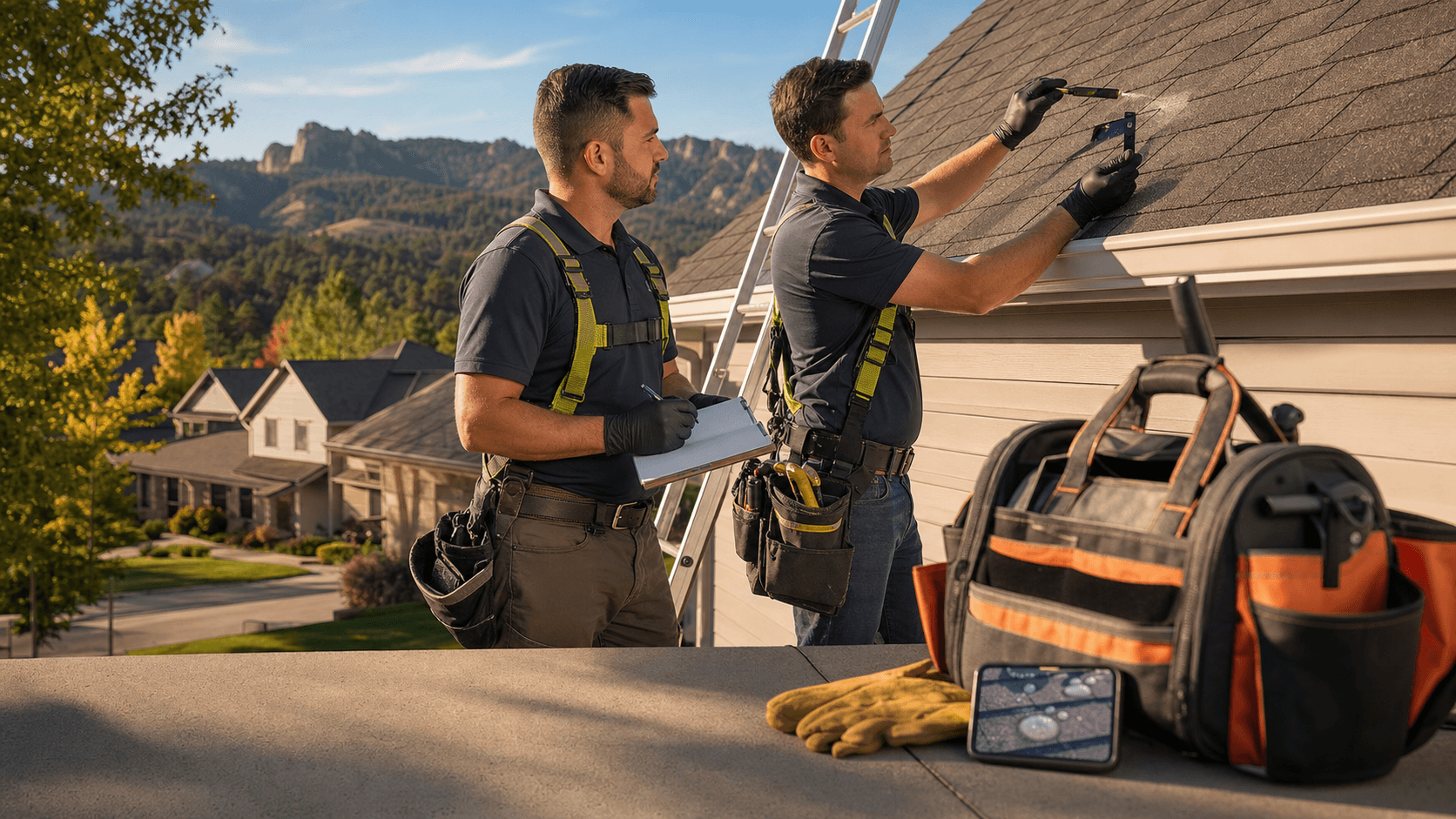
These answers help a roofing contractor understand the urgency and the best repair options. Photos are especially useful because they give a clear record of the condition right after the storm.
When you are ready to speak with a roofing company, it helps to ask direct questions like:
- Are you licensed and insured in South Dakota?
- Do you have experience with hail damage in the Black Hills area?
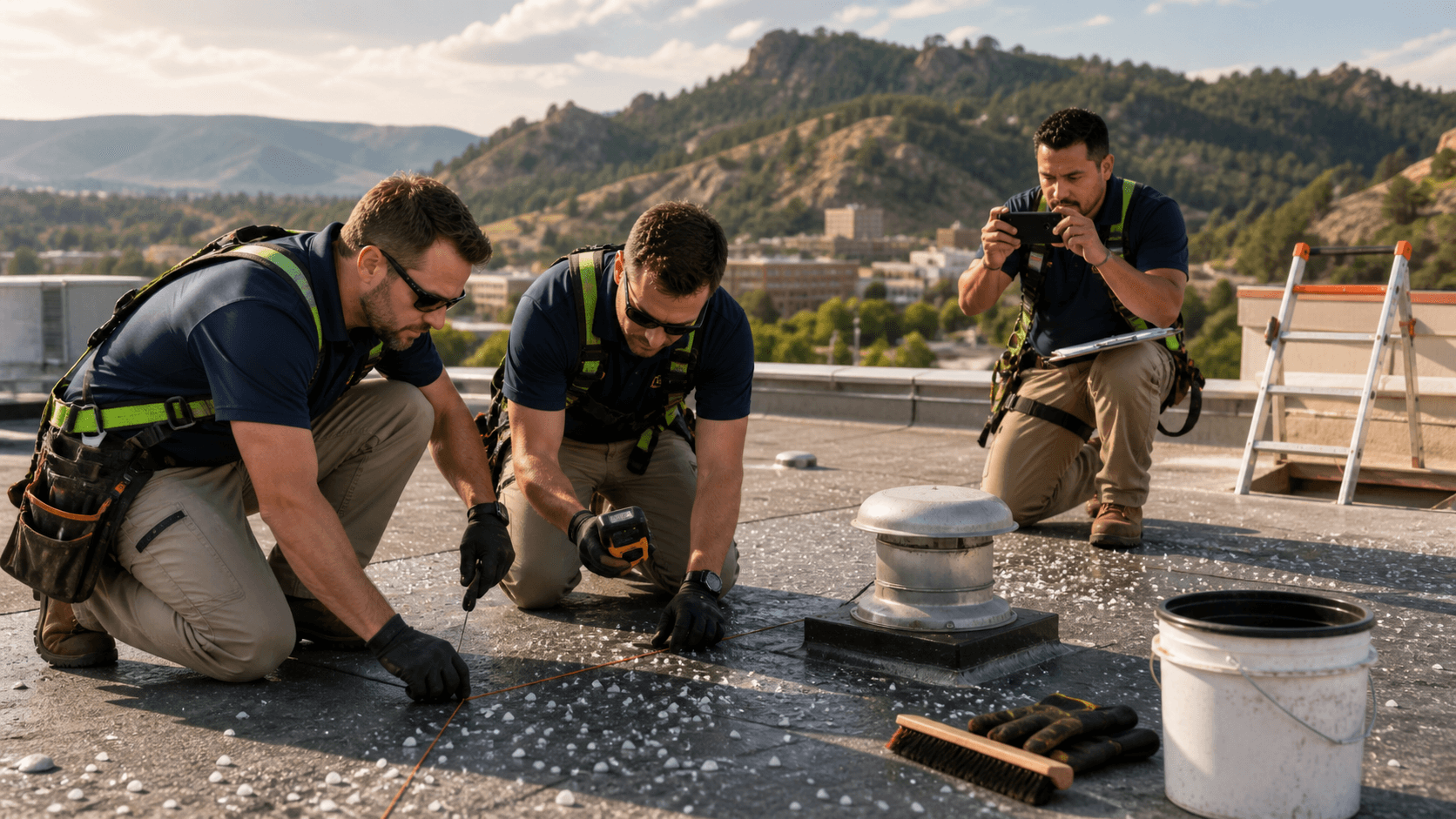
- Will you provide photos or a written report from the roof inspection?
- Can you explain any recommended repairs in simple terms?
It is also common to wonder: Should I call my insurance company before or after a professional inspection? Many property owners find it helpful to have a detailed contractor report and roof photos first. That way, they can share clear proof of what was found and where, which can support an insurance claim if one is needed.
Turn Hail Concerns Into a Clear Plan
After you work through these questions, you reach one final one: Do I feel confident my roof is sound, or do I still have doubts? If you see visible damage, have new stains inside, or just feel unsure because the storm was intense, that is a strong sign that a professional inspection is worth it.
At RainTite Roofing & Construction, we are a licensed local roofing contractor in Rapid City, and we work on homes and businesses throughout the Black Hills. Our team performs careful roof inspections after hailstorms, provides detailed photo documentation, and gives honest recommendations on whether a repair or replacement makes sense for your roof and your long-term peace of mind. By taking action while the weather is still cooperative, you can deal with hail damage before fall rains and winter snow turn small problems into expensive emergencies.
Protect Your Home With a Thorough Post-Storm Roof Check
If your home was hit by recent hail, now is the time to schedule a professional roof inspection after a hailstorm before minor damage becomes a costly repair. At RainTite Roofing & Construction, we carefully assess shingles, flashing, and structural components so you know exactly what your roof needs. Our team will walk you through your options and help you plan the right repair or replacement. Ready to get started? Simply contact us to set up your inspection.