Stop Winter Roof Surprises Before They Start
Roof preventive maintenance before winter is one of the simplest ways to protect your home or business in Rapid City. When fall hits, your roof has already taken a beating from sun, wind, and summer storms. Once the snow and ice arrive, small problems that were easy to fix can turn into leaks, water stains, and even structural damage.
In our area, October often feels like the last calm stretch before real winter weather settles in. Temperatures drop fast, storms can show up with little warning, and roof work gets harder and less safe. A quick preventive check in the fall helps stop surprise leaks, ice dams, and emergency repairs later, so you can move through winter with a lot more peace of mind.
Preventive maintenance is not about overdoing it or replacing things that still have life left. It is about catching the early signs of trouble, handling minor repairs while they are simple, and making sure your roof, gutters, and attic are ready for months of snow and freezing nights.
How Rapid City Winters Stress Your Roof
Rapid City and the Black Hills see frequent freeze and thaw cycles. One day is mild, the next night drops well below freezing. Roofing materials expand when they warm up and contract when they cool down. Over time, this movement can:
- Crack or curl shingles
- Loosen nails and screws
- Open tiny gaps around vents, chimneys, and skylights
These little gaps are where water loves to sneak in. Add heavy, drifting snow and prairie winds, and your roof has to work hard all winter long. Existing weak spots, like areas hit by past hail or older repairs, can get worse as snow loads press down and strong gusts tug at loose shingles or flashing.
Ice dams are another big problem in our area. They form when:
- Heat from inside the house melts snow on the upper roof
- Melted water flows down toward the colder eaves
- Water refreezes at the edge and builds a ridge of ice
That ice ridge traps water behind it. With nowhere else to go, water can work its way under shingles and into the roof deck. Often, the damage shows up months later as stained ceilings, peeling paint, musty odors, or warped wood in attics and walls. Roof preventive maintenance helps reduce the conditions that lead to these issues.
Roof Preventive Maintenance Essentials Before Snow
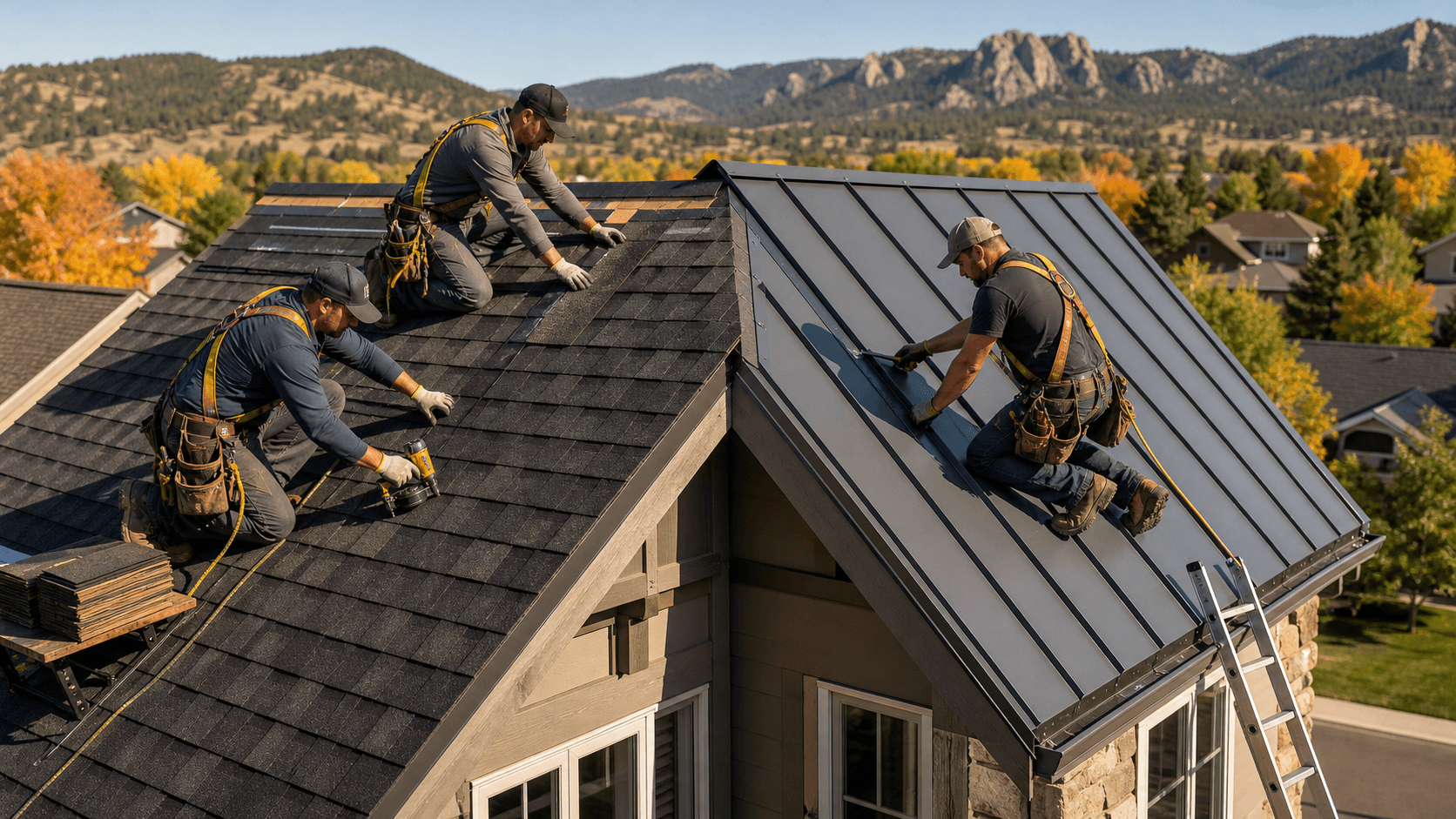
A focused fall roof check looks at more than just missing shingles. Before winter, a good preventive maintenance visit should include:
- Inspecting shingles for cracks, curling, lifting, and granule loss
- Checking flashing around chimneys, skylights, walls, and valleys
- Examining vents, pipe boots, and other roof penetrations for gaps
- Looking over gutters and downspouts for clogs, sagging, or loose fasteners
Soft spots on the roof surface can hint at moisture problems in the deck below. Granules piling up in gutters can point to aging shingles. Loose or rusted flashing can be a direct path for water when snow starts to melt.
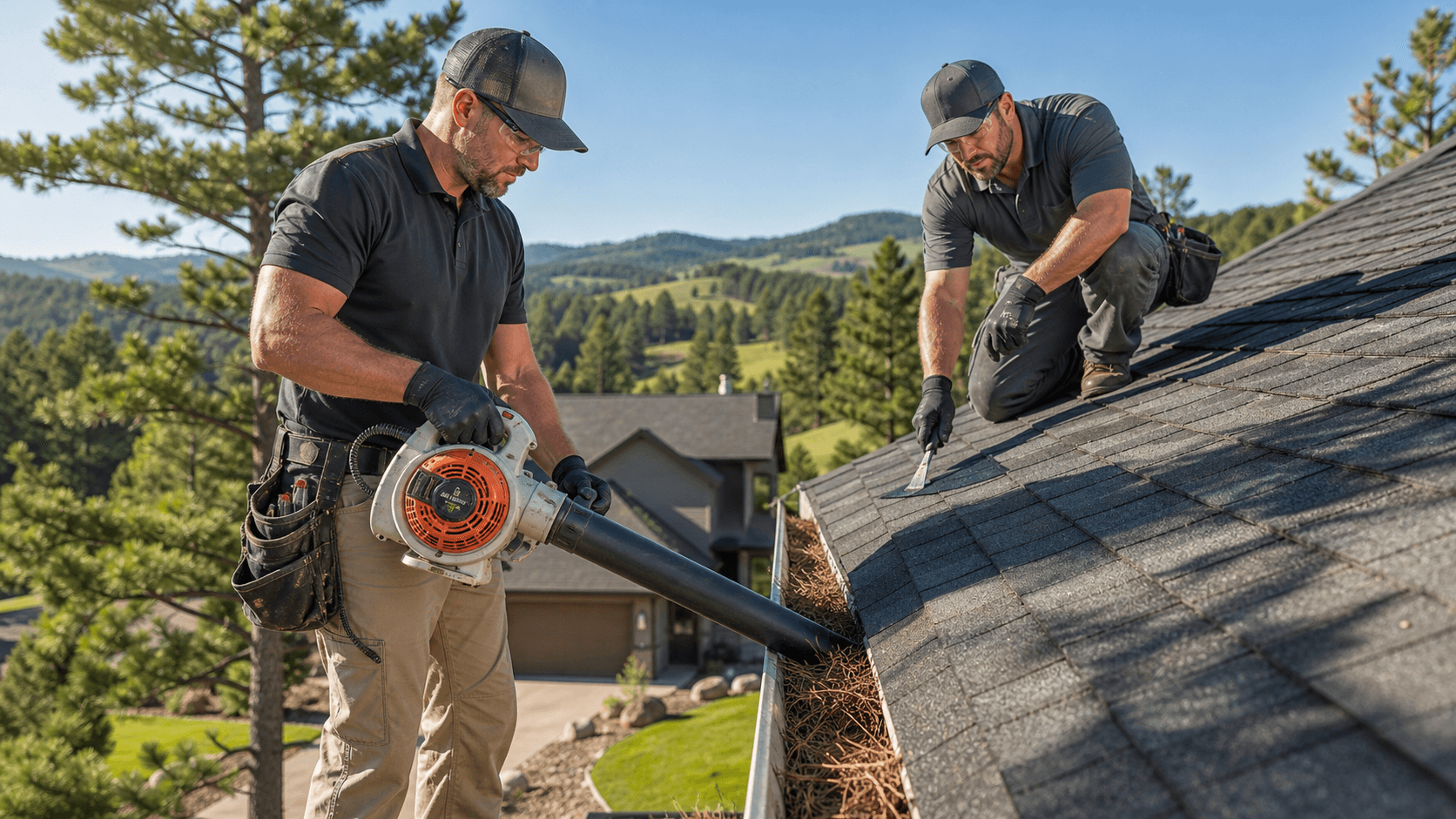
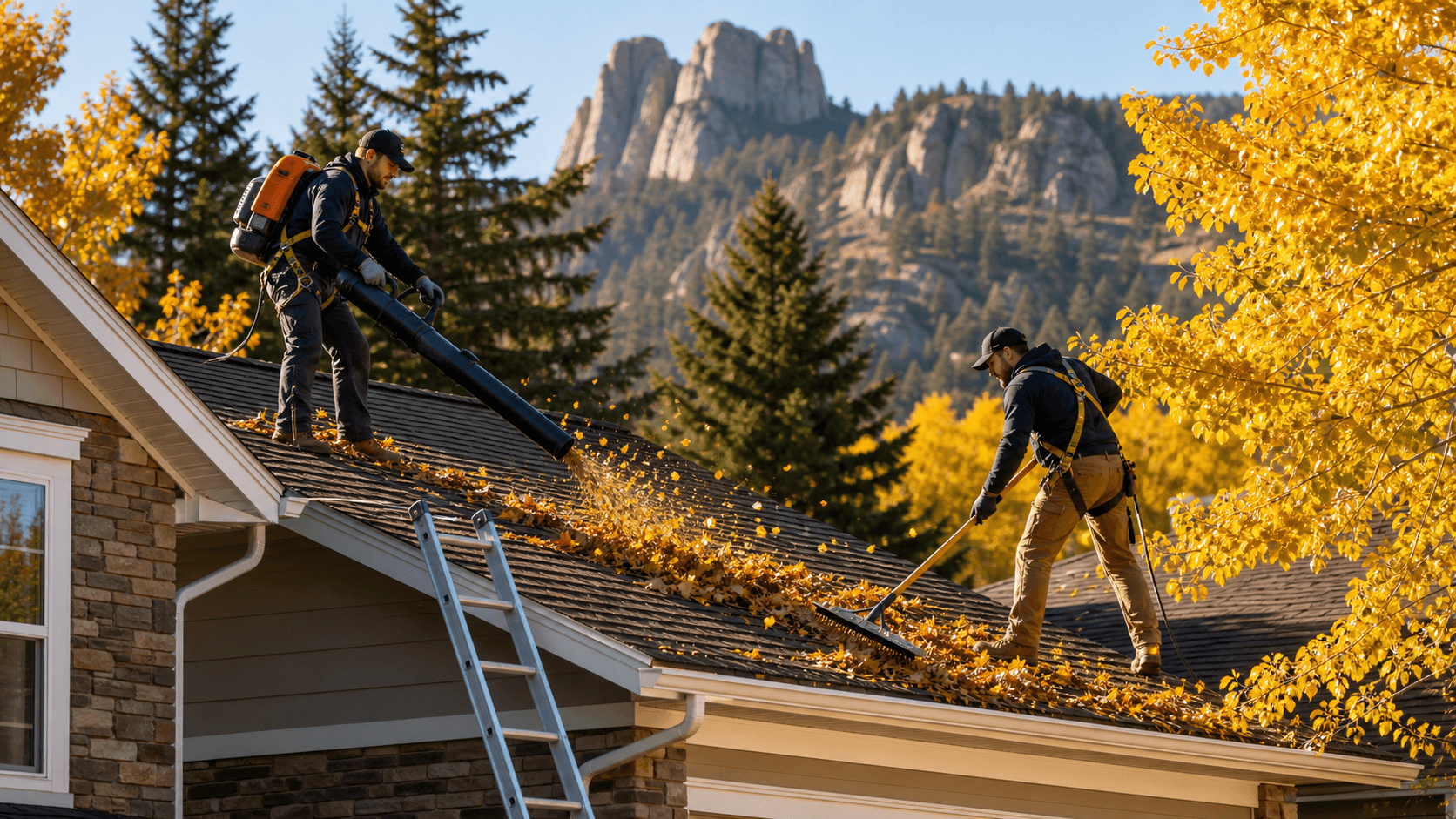
Debris cleanup is also a key part of roof preventive maintenance. Pine needles, leaves, and small branches hold moisture and block water flow. When they pile up:
- Water can back up under shingles
- Ice can build in valleys and at eaves
- Gutters overflow and send water down siding and near foundations
Attic insulation and ventilation play a big role too. If the attic is too warm, snow melts faster and ice dams form more easily. If it is poorly ventilated, moisture can build up inside, leading to mold, mildew, and wood damage. Checking insulation levels and airflow before winter can help keep your roof colder outside, your living space warmer inside, and your heating system from working harder than it should.
DIY Roof Checks vs. Calling a Pro in Rapid City
There are a few simple checks many owners can safely do from the ground or from a window. Without climbing on the roof, you can:
- Missing or slipped shingles
- Sagging lines or dips in the roof surface
- Exposed or popped nails you can see from below
- Gutters spilling water over the edge instead of through downspouts
- Dark streaks or stains on soffits, siding near the roofline, or interior ceilings
These signs tell you it is time to have the roof inspected more closely. Climbing on the roof is often not a good idea, especially with:
- Steep pitches common in many neighborhoods
- Early frost or thin ice you may not notice right away
- Older shingles that are brittle and more likely to break underfoot
A professional roof inspection goes beyond what you can spot from the yard. A trained contractor can check problem areas, test for soft spots you might not see, and look for moisture starting to collect where it should not. In late fall, time matters, because once snow and ice set in, some repairs become harder, slower, or need to wait until spring.
Smart Repair Priorities Before Temperatures Drop
Not every small flaw is an emergency, but some things should be handled before winter hits. As part of roof preventive maintenance, it is smart to prioritize:
- Active or suspected leaks, even if the stain seems small
- Damaged or missing flashing around chimneys, vents, and skylights
- Loose, cracked, or missing shingles, especially in groups
- Exposed underlayment or bare wood anywhere on the roof
- Failing caulk or sealant around roof penetrations
Fixing these items in the fall helps avoid emergency calls on bitter cold days when access is harder and conditions are less safe. Dry insulation works better than insulation that has been soaked and then frozen. Dry drywall and framing last longer and are less likely to need replacement later.
Thoughtful maintenance can also extend the life of both residential and commercial roofs. A professional can tell you when repairs make sense and when the better plan is to start thinking ahead for a roof replacement once warmer weather returns. That kind of honest guidance helps you plan, instead of reacting to surprises in the middle of winter.
Being Winter Ready in Rapid City and the Black Hills
Rapid City weather keeps roofs on their toes, but winter does not have to mean constant worry about leaks and damage. With smart roof preventive maintenance in the fall, you give your home or business a better chance to handle snow, ice, and wind without trouble.
RainTite Roofing & Construction is a licensed roofing and exterior contractor based in Rapid City, serving homeowners and business owners across the Black Hills. We inspect and work on roofs, gutters, siding, and windows as a connected system, so problems do not simply move from one part of your exterior to another. A little attention now can go a long way toward a drier, safer, and calmer winter season.
Protect Your Roof With Proactive Maintenance Today
If you want to avoid costly leaks and unexpected repairs, let our team put a customized roof preventive maintenance plan in place for your home or business. At RainTite Roofing & Construction, we inspect, service, and track the condition of your roof so you can feel confident in every season. Reach out today and we will walk you through your options, answer your questions, and schedule a convenient appointment. To get started, simply contact us.