Cut Heating Bills with Smarter Roofing Choices
A new residential roofing installation can do more than stop leaks and freshen up curb appeal. The right roof can help cut heating and cooling bills, keep rooms more comfortable, and reduce stress on your HVAC system all year long. Many Rapid City homeowners are surprised to learn how much their roof affects the way their home uses energy.
Our area sees long, cold winters and hot, sunny summers, so your roof works hard every single day. When you plan a roof replacement before the winter or after a busy hail season, you have a great chance to improve insulation, ventilation, and materials all at once. In this article, we will walk through how roofing materials, installation methods, and attic details affect energy use, and what to think about before calling a local roofing professional.
How Your Roof Affects Home Energy Use
Your roof is the largest weather shield on your home. It takes the full force of sun, wind, snow, and hail, then passes that load onto your attic and living spaces. If it is not set up correctly, heat can escape in winter, your attic can overheat in summer, and drafts can show up in rooms below.
To understand why this happens, it helps to look at three basic types of heat movement:
- Conduction: Heat moves through solid materials. In roofing, this is heat traveling through shingles, underlayment, and decking into or out of your attic.
- Convection: Heat moves with air. This includes warm air leaking out around gaps, or hot attic air that is not vented to the outside.
- Radiation: Heat travels in waves from the sun. Dark, non-reflective roofs soak up more of this energy and pass it to the home.
In Rapid City, we deal with subzero cold, harsh wind, and strong summer sun. A poorly performing roof can mean:
- Very hot attic temperatures that make AC units run longer
- Ice dams that form when warm air leaks melt snow on the roof
- Drafty upper floors as air escapes around ceiling openings
All of this makes your furnace and AC work harder and can even shorten the life of your HVAC equipment over time.
Choosing Energy-Smart Roofing Materials
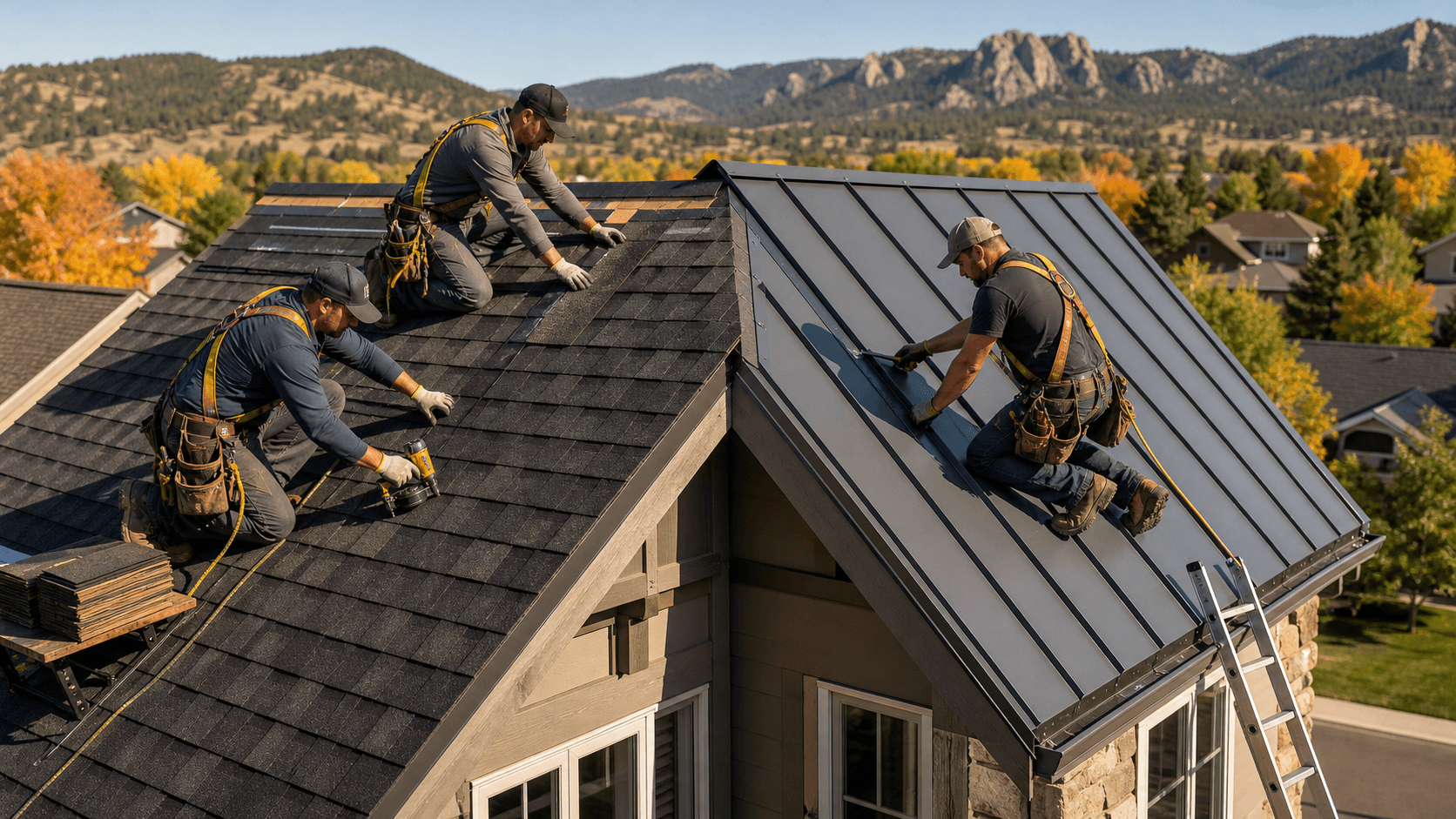
When planning a residential roofing installation, the materials you choose set the stage for long-term comfort and energy savings. Not every roof type works the same.
Here are some common options and how they affect energy use:
- Asphalt shingles: Popular, dependable, and available in many colors. Lighter colors with reflective granules can help bounce more sun away in summer.
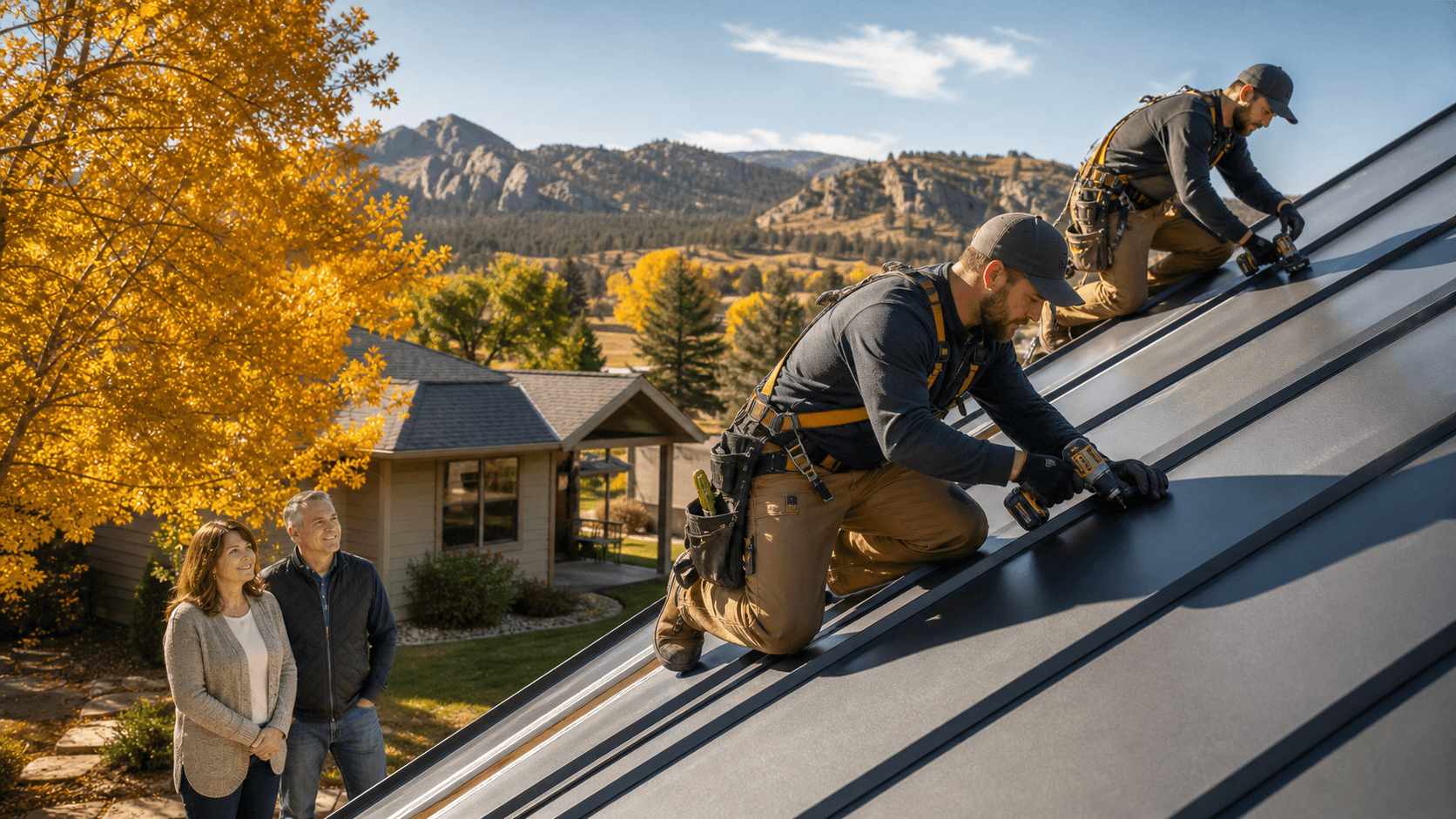
- Metal roofing: Reflective and sheds snow well. With the right color and finish, it can reflect more radiant heat and help keep attics cooler.
- Engineered roofing systems: Some products are designed for high durability with improved temperature control and impact resistance.
The idea of a "cool roof" is simple. The more your roofing surface reflects sunlight instead of absorbing it, the lower your attic temperatures can be on bright days. In a sunny place like western South Dakota, that can reduce how often your AC needs to run.
Do not forget the layers you do not normally see:
- Underlayment: Synthetic underlayment tends to hold up better to moisture than basic felt and helps protect decking from water and heat.
- Decking choices: In some projects, insulated or vented deck systems can be used to add an extra buffer against outside temperatures.
- Flashing and seals: Properly installed flashing around valleys and penetrations keeps out water and air leaks, which also supports energy efficiency.
A good roofing plan looks at how these parts work together, not just at the shingle on top.
Ventilation and Insulation That Work Together
The best residential roofing installation is not complete without a solid plan for attic ventilation and insulation. Think of them as partners. Insulation slows heat transfer, and ventilation moves unwanted hot or moist air out.
Proper attic ventilation usually includes:
- Intake vents at the soffits that let cooler air in at the roof edge
- Exhaust vents near the ridge that let warm air out at the top
- Clear airflow paths so air can travel from low to high without being blocked by insulation
Balanced intake and exhaust can help:
- Reduce ice dams by keeping the roof deck closer to outside temperatures
- Limit moisture buildup that can damage wood and insulation
- Keep attic temperatures more steady in every season
Insulation is just as important, especially in Rapid City's climate. Many homes benefit from:
- Adequate insulation depth to reach recommended R-values for our cold winters
- Air sealing around recessed lights, attic hatches, and penetrations to stop warm air from escaping
- Proper baffles at eaves so insulation does not block soffit vents
When insulation and ventilation are both set up correctly, your home holds warmth better in winter and keeps hot attic air from pressing into living spaces in summer.
Timing Your Roof Project for Maximum Savings
Planning the timing of your roofing work can also affect energy savings and comfort. Around November, many homeowners start thinking about bitter cold, snow, and strong winter winds. An inspection in fall or early winter can reveal weak spots before deep cold sets in.
Good timing can help you:
- Address loose or missing shingles that allow air leaks
- Add or adjust attic ventilation before heavy snow loads arrive
- Upgrade insulation while the roof work is already underway
In our area, hail is also a big factor. Having your roof checked after the main hail season and before long periods of freezing weather can uncover hidden damage. Fixing cracked shingles, punctures, or broken seals at that stage can prevent emergency leaks, reduce drafts, and keep your roof assembly performing better for energy use.
Some homeowners also coordinate roofing projects with:
- Insurance claims after storm damage
- Possible utility rebates for energy efficiency improvements
- tax-related planning around home upgrades
A planned project often gives you more options than a rushed repair in the middle of winter.
Local Factors Rapid City Homeowners Must Consider
Rapid City and the Black Hills area, bring unique challenges for any residential roofing installation. Roofs here face:
- Hail impacts that can bruise shingles and reduce their life
- High winds that can lift or tear materials and expose decking
- Heavy snow and freeze-thaw cycles that stress roofing and flashing
These conditions affect both how long your roof lasts and how well it protects your home's energy envelope. If shingles are damaged or not fastened correctly, wind can create gaps that leak both air and water. If ice and snow are not managed properly at eaves, ice dams can push water back under shingles.
Building codes and local best practices often call for:
- Ice and water shield in key areas, like along eaves and valleys, to help protect against melting snow
- Enhanced nailing patterns designed to resist local wind conditions
- Proper attic ventilation requirements to help control moisture and temperature
Working with a licensed local contractor who understands Black Hills weather and permitting can help make sure your roof assembly is built to handle our conditions while still focusing on energy performance.
Take the Next Step Toward an Energy-Saving Roof
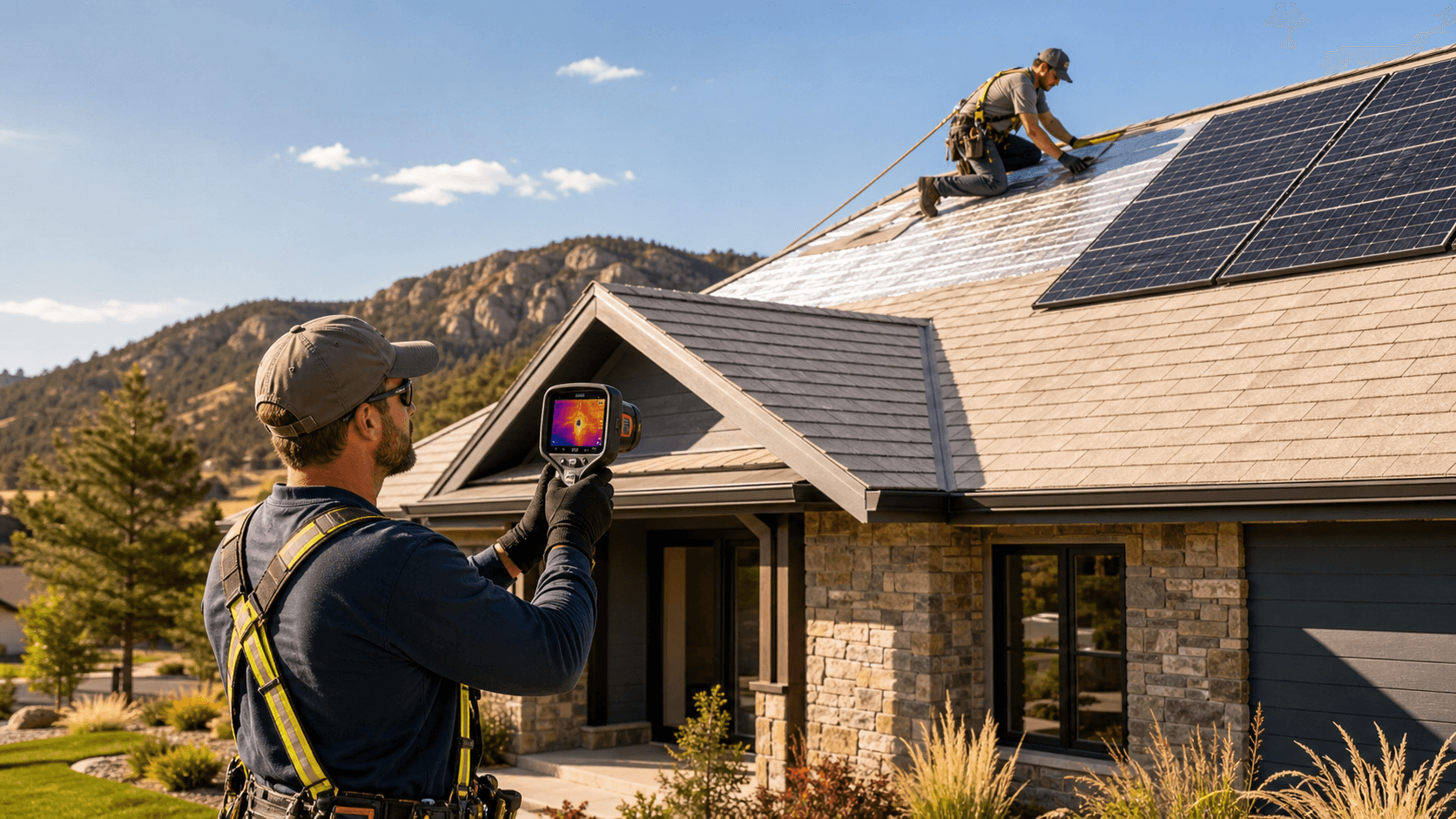
The smartest first step is a full roof and attic evaluation that looks beyond age and visible wear. A careful check of shingles, decking, flashing, attic insulation, and ventilation can reveal where your home is losing energy and how a new roofing plan could help.
When you speak with a roofing contractor, it helps to ask questions like:
- What roofing materials work best for energy performance in our climate?
- How will you design intake and exhaust ventilation for my roof?
- Can insulation or air sealing be improved during the residential roofing installation?
- What changes might I see in heating and cooling comfort once the work is done?
- What warranties cover both materials and workmanship for long-term value?
By focusing on both comfort and durability, Rapid City homeowners can turn a necessary roof project into an opportunity to reduce energy use, protect against storms, and enjoy a more comfortable home in every season. RainTite Roofing & Construction is here in the area and understands what local homes face, so we plan residential roofing installations with energy savings, reliability, and long-term performance in mind.
Get Started With Your Project Today
If your home is ready for a roof upgrade or replacement, we are here to guide you through every step with clear recommendations and quality workmanship. Explore your options for residential roofing installation, and we will help you choose materials and solutions that fit your home and budget. The team at RainTite Roofing & Construction can schedule a convenient on-site assessment and provide a transparent, detailed estimate. Reach out through our contact page to schedule your consultation and move your project forward.