Keep Your Roof Cooler When Black Hills Heat Spikes
Hot, bright afternoons in the Black Hills are tough on roofs. The sun beats down, UV rays are intense, and your shingles can go from cool nights to scorching daytime temperatures in just a few hours. That daily swing can be hard on older asphalt shingles and roofs that were not built with heat in mind.
Cool roofing solutions are one way to fight back. In simple terms, these are roofing materials, colors, and systems that reflect more sunlight and absorb less heat. When your roof stays cooler, your attic and top floor rooms often stay cooler too.
For homes and businesses around Rapid City, that can mean:
- Lower attic temperatures
- More comfortable upstairs rooms
- Less strain on your AC system
- A roof that may last longer under summer stress
As a licensed roofing and construction company based in this area, we work with these conditions every day. We understand how local weather and local building styles come together, and that shapes the cool roofing recommendations we make for Black Hills property owners.
How Summer Heat Damages Black Hills Roofs
Strong summer sun does more than heat up your shingles; it slowly wears them down. UV exposure can dry out asphalt shingles over time, leading to cracks, curling, and loss of protective granules. South and west slopes usually take the hardest hit because they get the most direct sun.
That heat also makes your roof expand during the day and contract at night. This daily movement can stress:
- Shingles
- Sealants around vents and chimneys
- Flashings along walls, valleys, and skylights
As these parts age, tiny gaps can start to form. Add very high surface temperatures and your attic can turn into a heat trap. When that happens, your insulation can perform poorly, and your ventilation may struggle to keep air moving. Warm, trapped air and moisture can lead to:
- Warped or soft roof decking
- Shorter roof life
- Higher cooling bills
Summer here is also known for hail, wind, and sudden storms. When a roof is already weakened from UV and heat, it can be more likely to suffer damage when a fast storm rolls through. Shingles that are brittle or cracked can break, lift, or blow off, which opens the door for leaks.
What Makes a Roof Cool in the Black Hills Climate
A cool roof is not just a light color. The key traits are solar reflectance and thermal emittance. Solar reflectance is how much of the sun's energy bounces off your roof instead of soaking in. Thermal emittance is how well the roof lets go of the heat it does absorb.
Different materials and colors behave differently in real summer sun. In general:
- Lighter colors reflect more sunlight than dark ones
- Some shingles and metals have reflective granules or coatings
- Specialized coatings on flat or low-slope roofs can bounce a lot of heat
Even a moderate bump in reflectivity can make a noticeable difference in your attic temperature. That can translate into cooler ceilings and less heat pressing into your living spaces.
Black Hills microclimates also matter. A home in Rapid City with plenty of sun exposure may benefit from higher reflectance than a shaded home at a higher elevation. In cooler and more shaded areas, we help balance summer cooling with winter comfort, choosing materials and colors that work year-round instead of only in the hottest weeks.
Comparing Cool Roofing Options for Your Home or Business
Homeowners in this region have several cool roofing solutions to consider. Popular options for sloped residential roofs include:
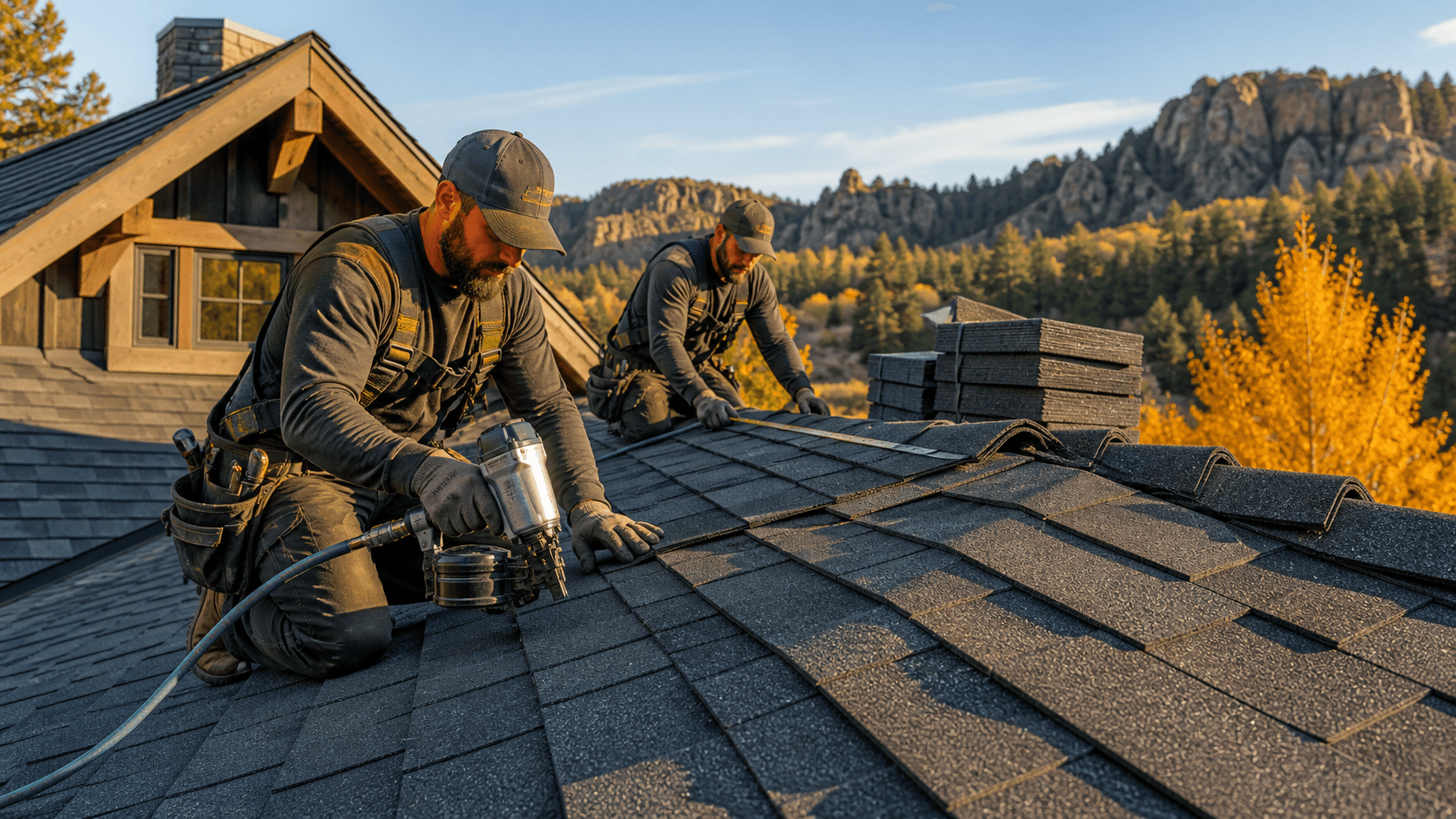
- Light-colored architectural asphalt shingles with reflective granules
- Reflective metal roofing panels in standing seam or ribbed profiles
- Tile roofing systems that allow air flow under the surface
- Reflective coatings over low-slope parts like porches or additions
Metal roofing can reflect a good amount of sunlight, and many finishes are designed to stay cooler than basic painted metal. Lighter shingle colors can also help, especially when paired with good attic ventilation and insulation.
For commercial buildings, the options often look a little different. Many flat or low-slope roofs do well with:
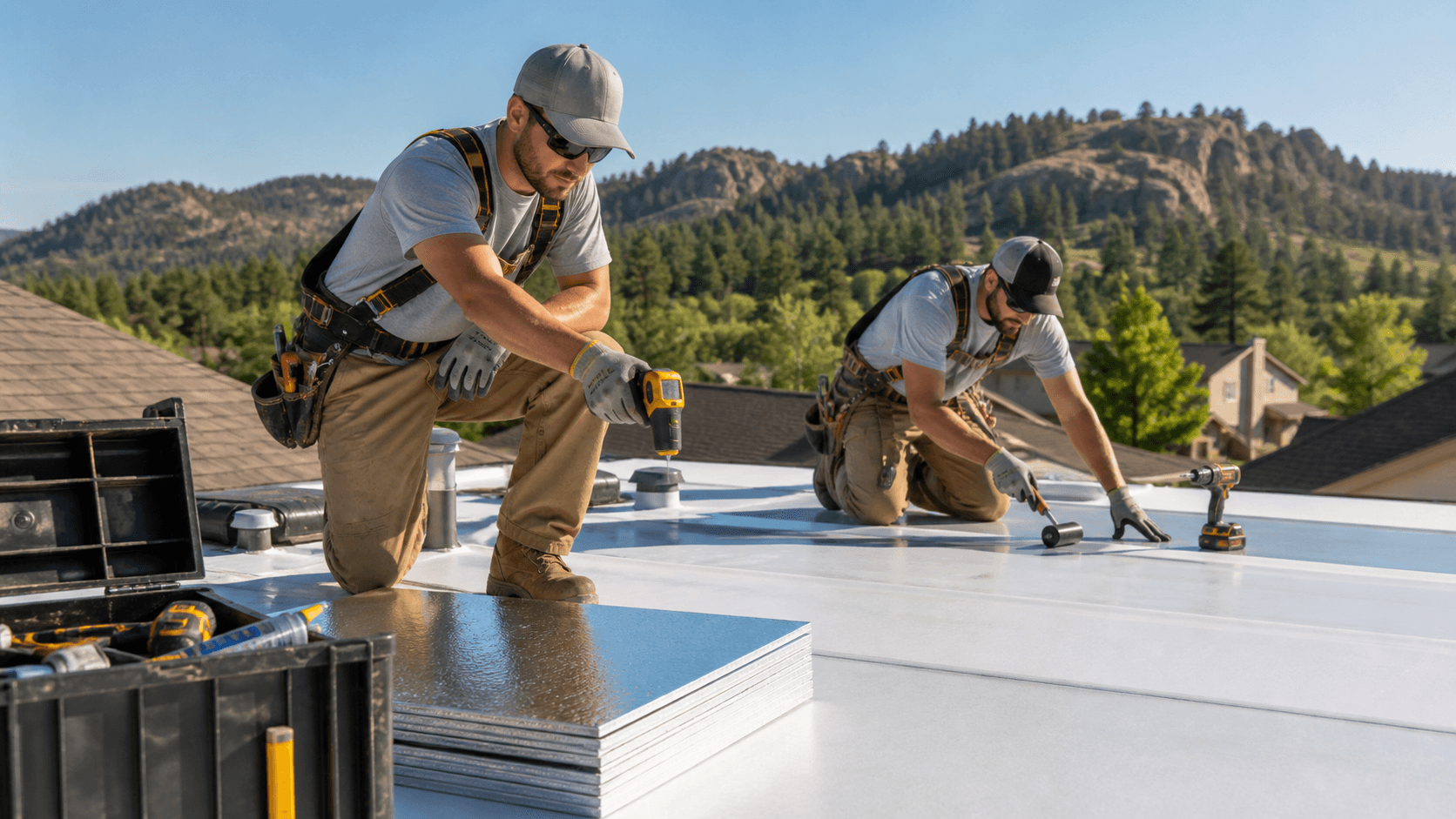
- TPO or PVC single-ply membranes
- Elastomeric coatings applied over existing roofs when appropriate
- Upgraded insulation boards under the membrane
On these types of roofs, the roof surface and insulation work together. A reflective surface limits heat gain, and the insulation slows any heat that does get through.
A common worry is that cool roofs only come in bright white. Modern products cover a wide range of tones, including:
- Light grays and tans
- Soft earth tones that fit Black Hills scenery
- Metal finishes that look like traditional roofing
This helps property owners meet HOA rules or personal style goals while still improving roof performance in the heat.
Energy, Comfort, and Cost Benefits You Can Actually Feel
The most noticeable benefit of a cool roof is comfort. When the air outside is hot and the sun is strong, a cooler roof can lower the temperature in your attic and upper rooms. Many owners feel the difference by walking upstairs in late afternoon and not getting hit with that heavy, trapped heat.
That comfort can translate into:
- Less time your AC has to run
- Reduced strain on compressors and fans
- A home that feels more even from floor to floor
Exact savings on cooling costs vary from one building to another. The impact depends on roof color, attic insulation, ventilation, window exposure, and how your current AC system is sized and maintained. Still, bringing roof temperatures down often helps your cooling system keep up during hot spells.
There is also long-term value. When your roof materials are not baking at extreme temperatures every afternoon, they experience less thermal stress. That can help extend the life of shingles, membranes, and sealants. Cool roofing can also be a plus when it comes time to sell, since many buyers pay attention to energy-smart upgrades and modern building materials.
Choosing the Right Cool Roof with a Local Pro
Not every cool roofing product is right for every property. To find the best fit, it helps to look at:
- Roof slope and shape
- Current materials and their condition
- Amount of shade from trees or nearby buildings
- Color preferences and any HOA rules
- Overall budget for the project
We also pay close attention to attic ventilation. Ridge vents, intake vents, and baffles all play a role in letting hot air escape instead of building up under your roof. Proper insulation depth and placement matters as well, so that the cooler roof surface and the attic work together.
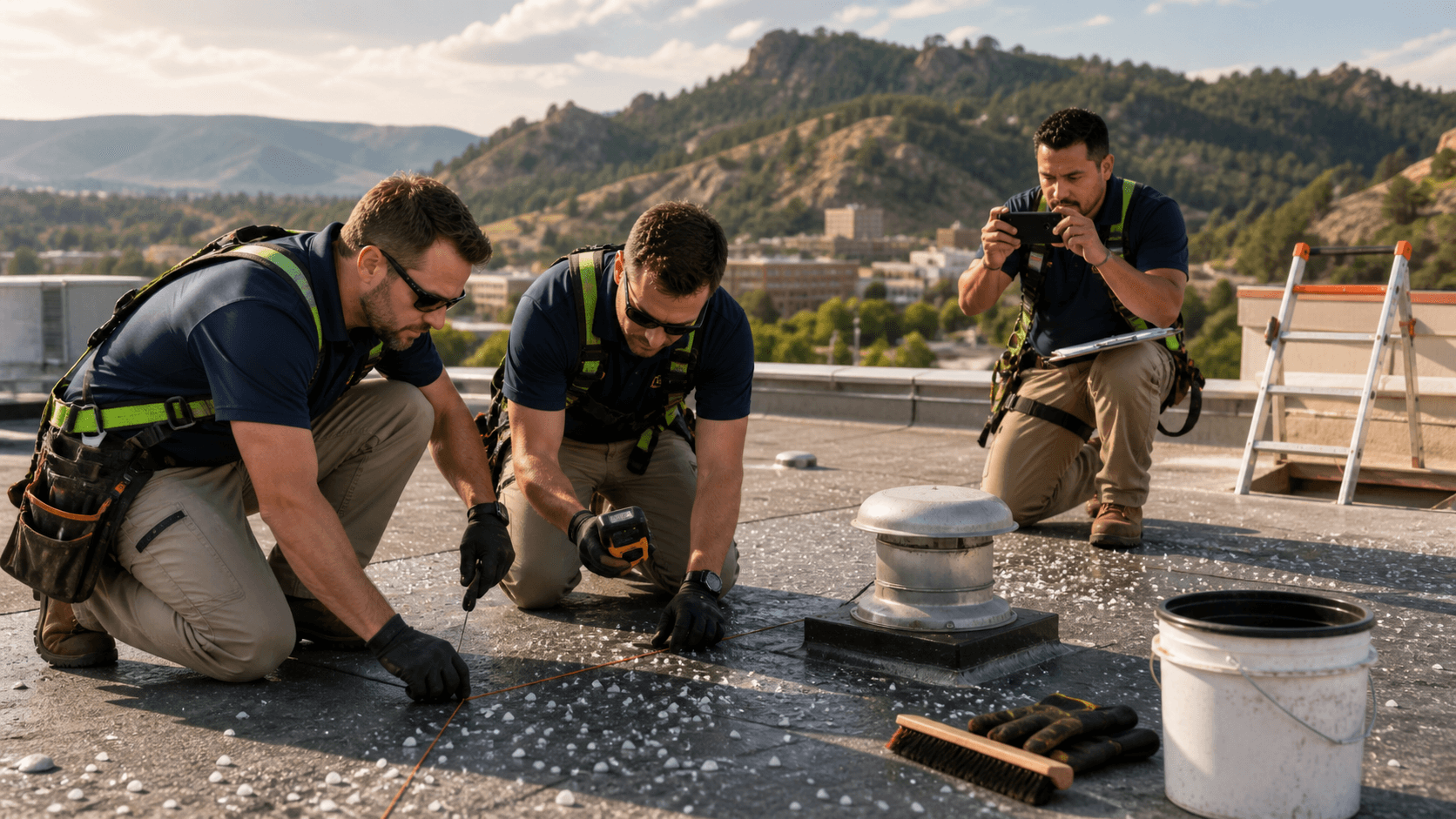
Flashing and detail work are just as important as the roofing material itself. In Black Hills conditions, well-installed flashings around chimneys, skylights, and walls help keep water out when summer storms hit, while also standing up to UV and temperature swings.
At RainTite Roofing & Construction, we take a consultative approach. We inspect the roof, attic, and exterior, then discuss options that make sense for your specific home or business. For many property owners, that means comparing a couple of cool roofing solutions and seeing how each one lines up with comfort goals, energy performance, and long-term durability.
Get Started With Your Project Today
If you are ready to reduce energy costs and improve comfort in your building, RainTite Roofing & Construction can help you choose the right cool roofing solutions for your property. We take the time to understand your goals and recommend systems that perform in our local climate. Reach out today through our contact page so we can schedule a consultation and provide a detailed, transparent proposal.