Protecting Your Roof Before the Next Hailstorm
Hail is a normal part of life in the Black Hills, but it is hard on roofs. Strong summer storms can move in fast, and by the time the sky clears, your shingles or metal panels have already taken a beating. Planning ahead is one of the best ways to protect your home or building.
Hail damage is not always dramatic. You may not see missing shingles or big dents from the ground. Small impacts can still weaken the roof surface, shorten its life, and set you up for leaks later. That is why many property owners ask one big question: for hail-resistant roofing, is asphalt or metal the better choice?
We will walk through how hail actually harms each type of roof, how asphalt shingles and metal compare on durability and appearance, what insurance companies look for, and how to decide which material fits your property in the Rapid City and Black Hills area.
How Hail Actually Damages Your Roof
When hail hits an asphalt shingle, the force can knock off the tiny surface stones called granules. These granules protect the asphalt beneath from sun and water. Once they are gone, the black mat underneath is exposed and ages faster. Some hits leave soft bruises inside the shingle that you cannot see, which can later crack or open up.
On metal roofing, the impact is different. Hail can:
- Leave shallow dents or dimples
- Scratch or chip the painted finish
- Put stress on seams, fasteners, and flashing
- In hard storms, deform thinner panels on low-slope roofs
The same storm can affect your roof very differently than your neighbor's. Roof age, slope, and installation quality matter a lot. A newer, properly installed roof with the right underlayment often holds up better, even when hailstones are large. Older, brittle shingles or thin metal over big open spans are more likely to show damage.
It is also important to understand the difference between cosmetic and functional damage. Cosmetic damage means the roof may not look as good, but it still sheds water and protects the structure. Functional damage means the roofing system is no longer performing as it should. For example:
- Exposed shingle mat or torn shingles
- Open seams on metal panels
- Damaged flashing or vents that allow water in
- Broken seals around fasteners
Insurance companies and building codes in and around Rapid City usually focus on functional damage. They care most about whether the roof can still keep water out and meet local standards.
Asphalt Shingle Roofs Under Hail Impact
Asphalt shingles are very common across the Black Hills. They are familiar, come in many colors and styles, and are often the go-to choice for new homes and re-roofs. They work well on typical steep-slope residential roofs and are widely stocked.
There are different levels of asphalt shingles, which react differently to hail:
- Three-tab shingles, the basic, flat style
- Architectural or dimensional shingles, thicker with a layered look
- Impact-resistant shingles, often labeled Class 3 or Class 4
Standard three-tab shingles are usually the most vulnerable. Hail can knock off granules and bruise the mat in a single storm. Architectural shingles have more material and can handle impacts better, though big storms can still damage them. Impact-resistant shingles are designed to reduce cracking and bruising from hail, which can mean longer life in our storm-prone climate.
On asphalt roofs, hail damage often shows up as:
- Round areas where granules are missing
- Soft spots you can feel when inspected up close
- Cracks or creases near the bottom edges of shingles
- Loose or broken tabs that can lift in the wind
Pros of asphalt in hail-prone areas include:
- Lower upfront cost compared with many metal systems
- Easy color matching for common shades
- Repairs can sometimes be limited to damaged sections
Cons include:
- More frequent repairs or replacements in areas with repeated hail
- Greater chance of granule loss leading to earlier aging
- More insurance claims over the life of the roof
Metal Roofing Performance in Hailstorms
Metal roofing is becoming more popular across the Black Hills for people who want a more hail-resistant roofing-option. It offers impressive durability, a long service life, and strong performance in wind and fire. Many property owners like that metal can handle both summer storms and winter snow.
There are different types of metal roofing:
- Standing seam roofs, with raised, concealed seams and hidden fasteners
- Exposed fastener panels, with visible screws and ribs
- Steel or aluminum, with different strengths and weights
- Various thicknesses, or gauges, that change how easily panels dent
Thicker steel panels generally hold up better to hail and resist deep dents. Standing seam systems help shed water effectively and often work well on low-slope residential and commercial roofs.
In hailstorms, metal roofs tend to:
- Resist punctures, which helps prevent leaks
- Keep their basic water-shedding ability even with small dents
- Show cosmetic dimples, especially from larger or wind-driven hail
- Protect the structure beneath, even if the finish is marked up
One advantage of metal is the long-term outlook. Many metal roofs do not need to be torn off after every hail event as long as the damage is mostly cosmetic and the seams and fasteners remain sound. Some insurance companies may offer benefits for certain hail-resistant metal systems, which can be appealing for larger homes and commercial properties.
Cost, Curb Appeal, and Insurance Considerations
When comparing asphalt and metal for hail-resistant roofing, it helps to think about total cost of ownership rather than just the bill on day one. Asphalt shingles usually cost less to install at the start. Metal roofing typically has a higher initial cost but is designed to stay in service longer and handle multiple storm seasons with less need for full replacement.
Both materials can look great on Black Hills homes and commercial buildings. Options include:
- Traditional asphalt colors that match most neighborhoods
- Architectural shingles for a more textured, high-end look
- Metal panels that mimic shingles, shakes, or tile
- Sleek vertical standing seam for a more modern style
Insurance companies pay close attention to hail performance. Impact-rated asphalt shingles and many metal systems are viewed as lower risk for functional damage. In some cases, that can lead to better treatment for hail-resistant upgrades, but policies vary.
A smart time to think about upgrading is right after a storm when an inspection shows that you need a new roof anyway. When replacement is already on the table, many owners decide whether to move from standard asphalt to impact-resistant shingles or make the jump to metal.
Choosing Hail-Resistant Roofing for the Black Hills
So how do you choose between impact-resistant asphalt and metal for hail-resistant roofing in our area? A few simple guidelines can help:
- If you want a more familiar look and lower upfront cost, upgraded impact-resistant asphalt shingles can be a solid choice.
- If you plan to own the property for a long time and want fewer full replacements, metal may be the better long-term value.
- For large roofs or low-slope sections, quality metal systems often perform especially well.
Local experience matters a lot. Roofers who work every season in Rapid City and the surrounding Black Hills understand:
- Area-specific hail patterns and wind directions
- Local building codes and inspection habits
- How snow, ice, and freeze-thaw cycles affect each material
- Which products have held up best on real homes and buildings nearby
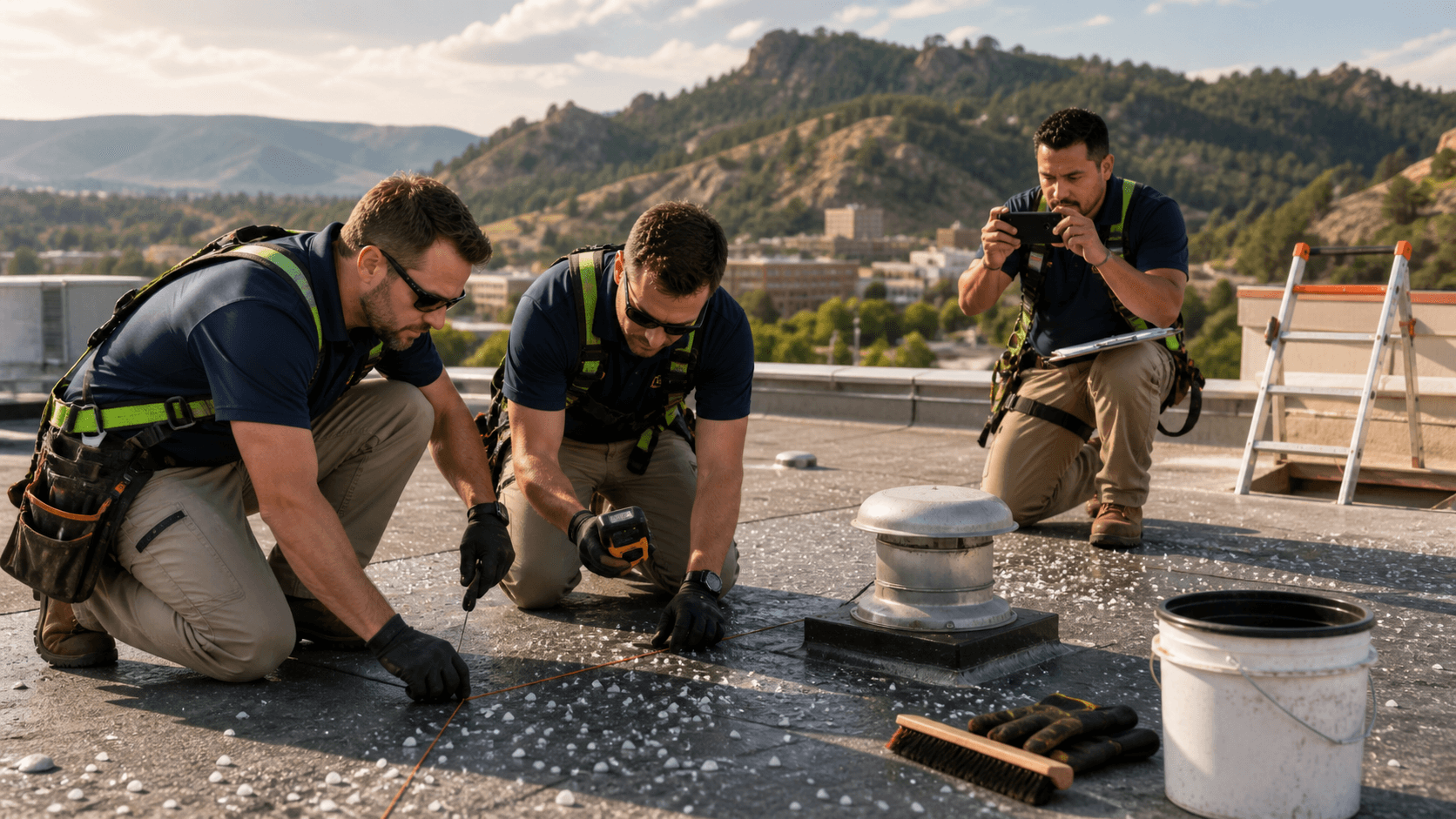
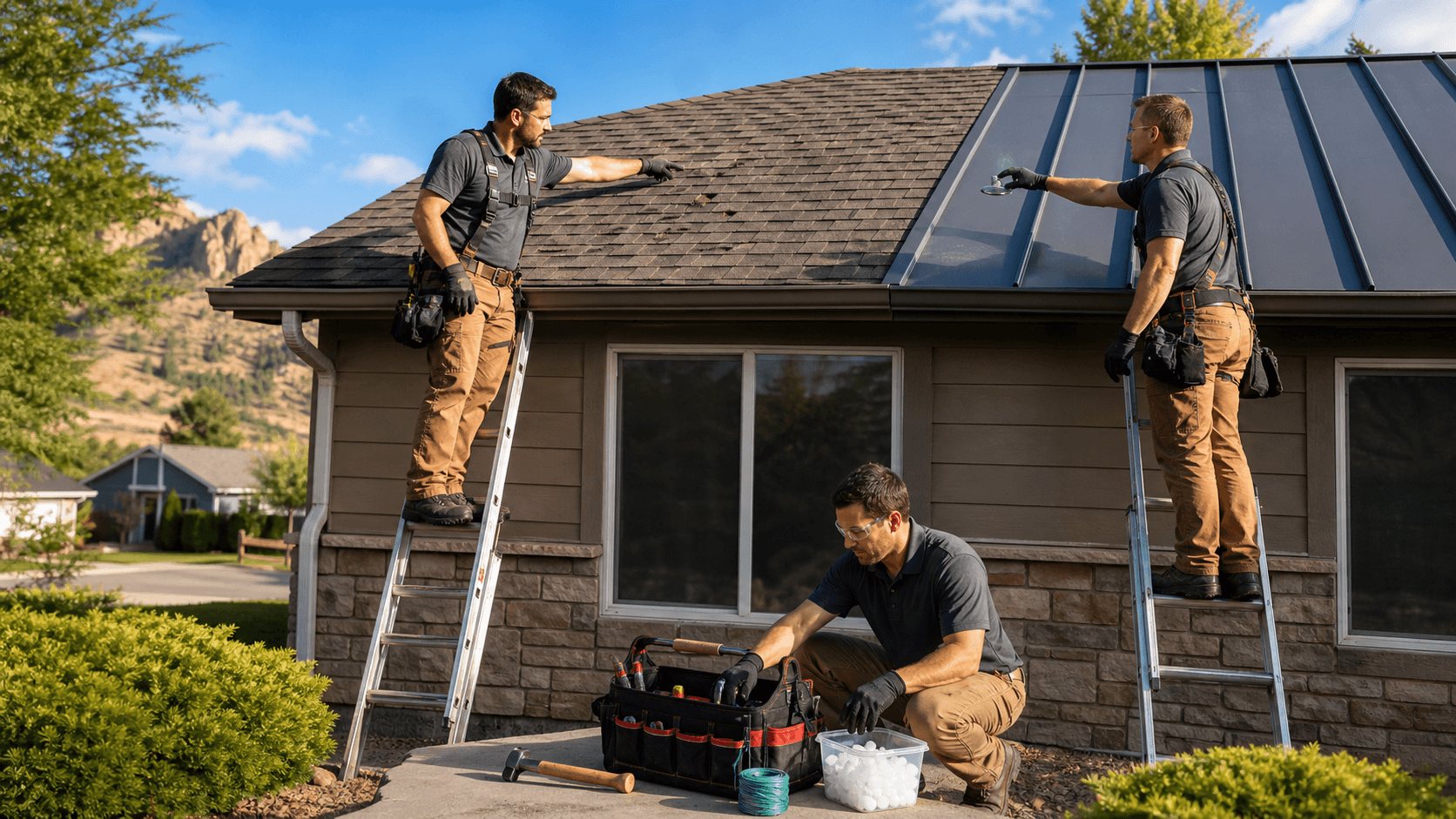
A professional pre- or post-storm inspection can give you a clear picture of your current roof and your options going forward. At RainTite Roofing & Construction, we help property owners compare materials, understand how hail has affected their roof, and plan the right upgrade for their home or business before the next round of storms rolls through.
Protect Your Home With Proven Hail-Resistant Roofing Solutions
If you are ready to upgrade your roof before the next storm season, our team at RainTite Roofing & Construction is here to help you choose the right hail-resistant roofing for your home. We will inspect your current roof, explain your options in clear terms, and provide a detailed estimate so you know exactly what to expect. To schedule a consultation or ask questions, simply contact us and we will follow up promptly.