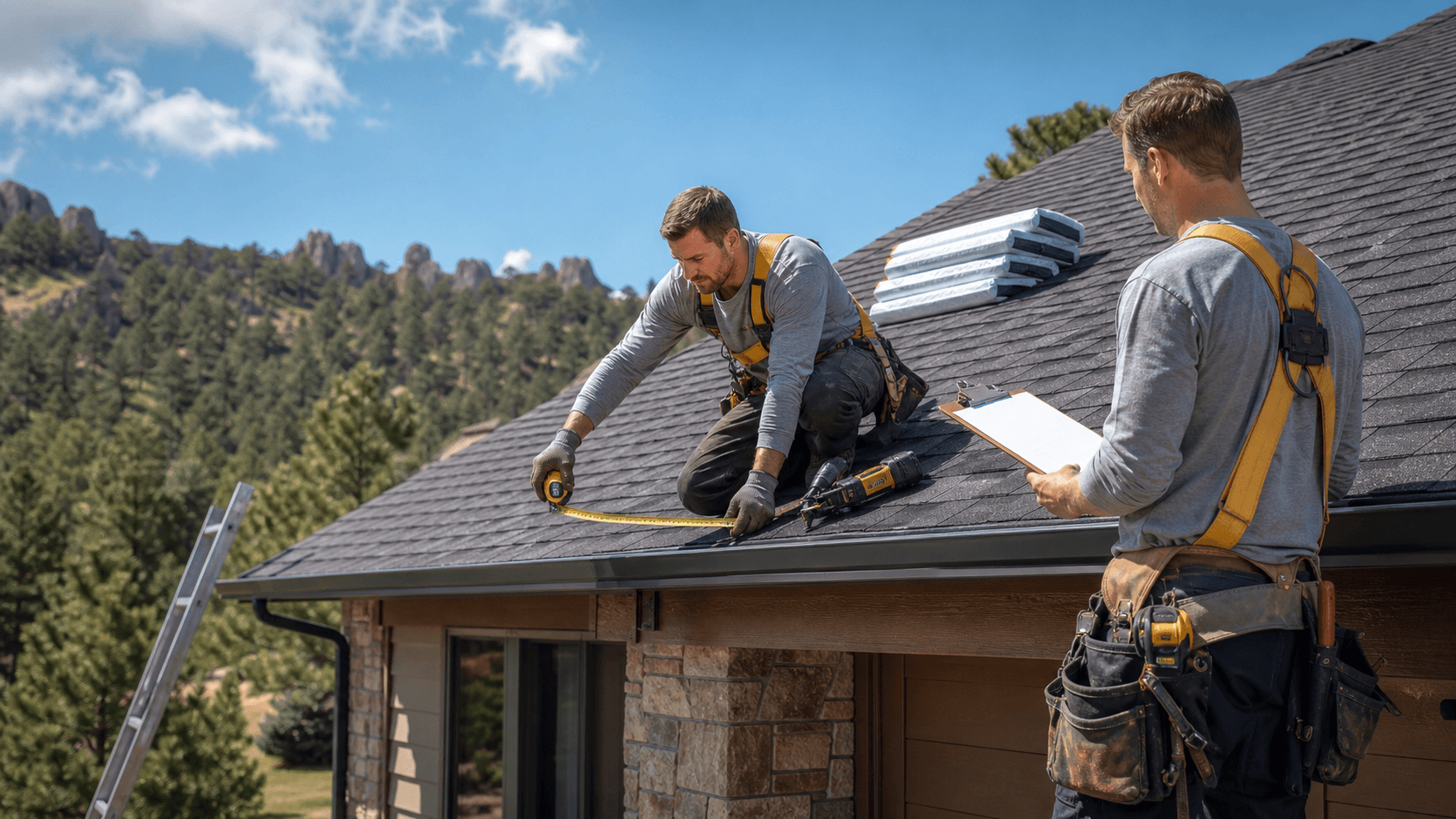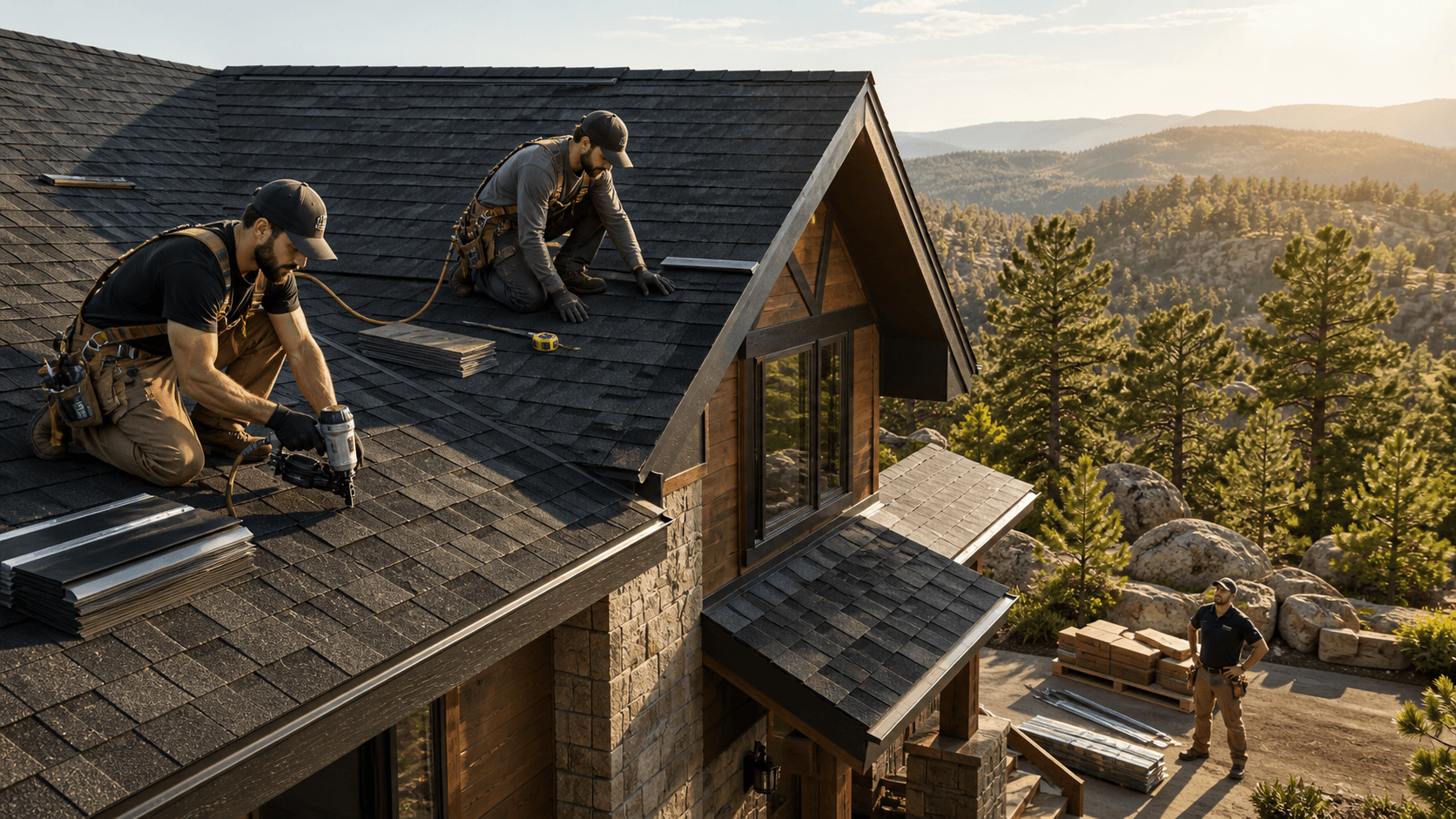
New homes and commercial buildings are going up all over Rapid City and the Black Hills. When you are planning a new build, the roof is not just another line on the list. It is the part of the structure that stands between your investment and our harsh mix of snow, wind, hail, and fast-changing temperatures. Choosing the right roof installation service and design at the start can save you from leaks, ice problems, and early replacement after only a few winters.
In this article, we will walk through what to look for in a roofing contractor for a new build in the Black Hills. We will talk about climate-specific roof design, contractor qualifications, material choices, timing around weather, and how warranties protect you long term. The goal is simple: help you build it right from day one.
Building it Right From Day One in the Black Hills
New construction moves fast, and the roof often goes on while a lot of other trades are working. But rushing through roof planning is a mistake. Our climate can punish a weak or poorly designed roof in a short time.
A good roof installation service should help you:
- Choose materials that hold up to heavy snow, wind, and hail
- Plan for ice dam prevention and proper water shedding
- Avoid design choices that trap moisture in the attic or walls
Getting these details right during the new-build stage keeps you from chasing leaks, fixing ceilings, or fighting with insurance later. It also helps your home or business feel more comfortable in every season.
Why Black Hills New Builds Need Specialized Roof Design
The Black Hills are beautiful, but they are hard on buildings. We see:
- Heavy, wet snow that loads roofs and slides off in sheets
- Strong winds that can lift shingles and drive rain sideways
- Spring and summer hail that beats up weaker materials
- Rapid freeze-thaw cycles that work water into every gap
Because of this, roof design is not just about looks. Key pieces need to be planned for our specific conditions:
- Roof pitch: Steeper slopes shed snow and water faster, which helps reduce ice dams.
- Underlayment: Quality underlayment and ice and water protection in key areas help guard against wind-driven rain and melting snow.
- Ventilation: Proper intake and exhaust vents help keep attic temperatures balanced and reduce condensation.
- Drainage: Valleys, gutters, and downspouts should move water away from the structure, not let it pool near edges.
It also helps when the roofer works closely with your builder, framer, and HVAC contractor. Planning around vents, chimneys, and skylights before the roof goes on means fewer surprises and better seals around every penetration.
What to Look for in a Roof Installation Service
For a new build in Rapid City or anywhere in the Black Hills, a local, licensed, and insured roofing and exterior contractor is important. Local contractors understand building codes, inspection rules, and common problem spots in our area.
Key factors to check include:
- Licensing and insurance appropriate for roofing and exterior work
- Experience with both residential and commercial new builds
- Clear safety practices and trained crews
- Ability to handle roofing, siding, and windows for a coordinated exterior
Professionalism shows in how a contractor plans and communicates:
- Detailed written estimates that list materials and scope of work
- Clear timelines that fit your overall build schedule
- Willingness to coordinate with your general contractor and other trades
- References and project photos from other new-build projects nearby
When you see organized paperwork, honest answers, and local experience, that is a strong sign you are on the right track.
Comparing Roofing Materials for Black Hills New Builds
The best roof installation service will help you compare materials based on how you live, where you are building, and what your long-term plans are. Common options for our area include:
- Asphalt shingles: Popular, widely available, and come in many colors and styles. Impact-resistant versions can add extra protection against hail.
- Standing seam metal: Sheds snow well, holds up to wind, and can provide a clean, modern look that fits many Black Hills properties.
- Premium products: Synthetic or designer materials that offer higher impact resistance, special looks, or longer expected service life.
When comparing materials, think about:
- Hail resistance and impact rating
- How easily snow will slide or shed
- Energy efficiency and how the roof works with attic insulation
- Fire rating, especially in wooded areas
- Noise level during rain and wind, and how attic design affects that
Also consider any homeowner association rules or neighborhood guidelines. Some developments prefer certain colors or roof types. The material you choose can also affect long-term maintenance needs and the way a future buyer views the property.
Timing Your Roof Install Around Black Hills Weather
Roof timing is a big deal here, especially as fall moves toward winter. Temperatures can swing fast, and early snow can show up in late fall.
A thoughtful roof installation service will plan around:
- Daytime temperatures that allow adhesives and sealants to set correctly
- Dry weather windows for underlayment and shingle or metal installation
- Backup plans if a surprise storm hits while the building is still open
Good staging can include:
- Getting the structure dried-in quickly with underlayment and proper flashing
- Using tarps or temporary coverings to protect framing if weather shifts
- Monitoring forecasts and adjusting work schedules when needed
Roof timing also needs to line up with framing completion, window and siding installation, and required inspections. When these pieces are in sync, your build is more likely to be closed in and protected before the deepest part of winter.
Protecting Your Investment with Warranties and Follow-up
For new builds in a demanding climate, warranties are not just paperwork; they are part of your risk protection. There are two main types to understand:
- Manufacturer product warranties: Cover the roofing materials themselves under certain conditions.
- Contractor workmanship warranties: Cover how the materials were installed.
Smart questions to ask include:
- How long does each warranty last?
- Are there wind or hail provisions, and what do they require?
- Is the warranty transferable if you sell the property?
- What maintenance is needed to keep the warranty valid?
Ongoing support matters too. Seasonal inspections after big storms, quick help if you see a concern, and a stable local company that plans to be around for the long haul all add to your peace of mind.
Confidently Choosing Your Black Hills Roofing Partner
When you take time to carefully evaluate your roof installation service at the new-build stage, you reduce the chances of leaks, ice dam headaches, and early repairs in your first few winters. The roof becomes a strong part of your overall building envelope, not a weak link.
A simple checklist can help you move forward:
- Verify the roofer is licensed and insured for roofing and exterior work
- Confirm local experience with new builds in Rapid City and the Black Hills
- Review detailed proposals that spell out materials, methods, and timing
- Compare roofing materials based on Black Hills weather and your goals
- Clarify warranty coverage and long-term support
RainTite Roofing & Construction works as a licensed roofing and exterior contractor in Rapid City, serving homes and businesses across the Black Hills. We focus on roof installation, repair, replacement, siding, and window services that fit our unique four-season climate, so your new build can stay dry, secure, and comfortable for years to come.
Get Started With Your Project Today
If your roof is aging, leaking, or just not performing like it should, we are ready to help you protect your home with a quality upgrade. Explore our roof installation service to see how RainTite Roofing & Construction can match the right materials and craftsmanship to your needs. Have questions or want to schedule an estimate? Simply contact us and we will walk you through the next steps.